DIY Projects

Recent Content

Wooden Dish Rack: The Dowel Angle That Drains Right

Wooden Dish Rack: The Dowel Angle That Drains Right

Build a slatted wood dish rack for $18—the dowel tilt angle is what actually drains water into the tray instead of pooling on your counter.

Install a Fireplace Draft Stopper in 20 Minutes for $25

Install a Fireplace Draft Stopper in 20 Minutes for $25

Stop your chimney from sucking heat right out of the house—an inflatable draft stopper seals it in 20 minutes for about $25.

The Shower Rod Trick That Fakes a Walk-In Closet

The Shower Rod Trick That Fakes a Walk-In Closet

Steal spare closet space with a second shower-curtain rod—zero holes, zero fuss, and your full deposit stays safe.

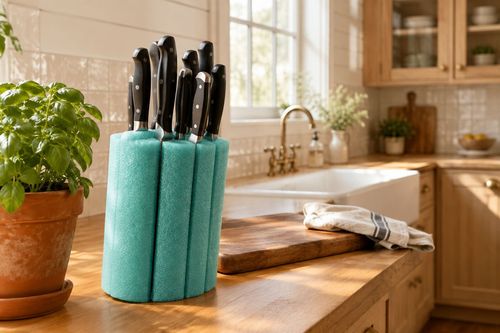
Pool Noodle Knife Block: The Slice Depth That Stops Wobble

Pool Noodle Knife Block: The Slice Depth That Stops Wobble

Turn a $1 pool noodle into a safe knife block—the slice depth is what keeps blades from wobbling loose or slicing through the foam.

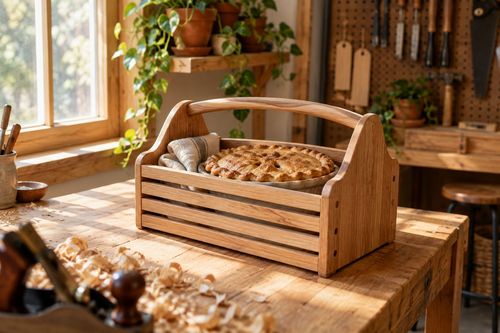
Build a Wooden Pie Carrier in 2 Hours for $25

Build a Wooden Pie Carrier in 2 Hours for $25

Never smash a pie in the car again! Build a snug wooden pie carrier in 2 hours for $25—perfect timing for fall potlucks.

logo
  • Home Improvement
  • DIY Projects
  • Interior Design
  • Gardening & Outdoor
  • Real Estate
  • Home Improvement
  • DIY Projects
  • Interior Design
  • Gardening & Outdoor
  • Real Estate
  • ​

Scrap Vinegar: The Reason It Needs to Stay Submerged

Apple scraps that float above the liquid grow mold instead of fermenting — a weighted bag of water is the one detail that decides whether this whole four-week process actually works.

A glass jar of fermenting apple scraps covered with cheesecloth, next to a finished bottle of homemade apple cider vinegar
DIY Projects

Fermentation only happens in the absence of oxygen, and apple scraps floating at the surface of a jar sit directly exposed to air, which is exactly the environment mold needs rather than the environment fermentation needs — that's the actual reason a jar of scraps can fail into a moldy mess instead of turning into vinegar, and it has nothing to do with the recipe or the fruit itself. Weighing the scraps down with something like a small water-filled zip-lock bag keeps everything fully submerged below the liquid line for the entire process, denying mold the oxygen it needs while giving the beneficial bacteria and yeast that convert sugar into alcohol, and then alcohol into vinegar, the environment they actually need to work. Get that one detail right, and the two-stage transformation — sweet fermentation for the first two weeks, acetic acid conversion for the second two — happens almost entirely on its own. The whole process costs almost nothing, since it uses scraps that would otherwise go to compost, and takes about 15 minutes of hands-on time spread across four weeks.

What You'll Need

  • Apple peels and cores, saved from baking or eating — free, would otherwise go to compost
  • Sugar, about a tablespoon per cup of water — already on hand
  • Water, room temperature
  • Large clean glass jar
  • Small zip-lock bag filled with water, for weighing scraps below the surface
  • Cheesecloth and a rubber band, for covering the jar
  • Fine mesh strainer, for straining the finished vinegar
  • Bottle or jar with a lid, for storing the finished vinegar

How to Do It

  1. Pack apple scraps loosely into a clean jar, leaving some room rather than jamming them in tightly.
  2. Dissolve a tablespoon of sugar into each cup of room temperature water you'll need to fully cover the scraps, stirring until it's completely dissolved.
  3. Pour the sugar water over the scraps until everything is fully submerged with a little liquid to spare.
  4. Weigh the scraps down with a small water-filled zip-lock bag placed on top, pressing everything below the surface — this is the detail that actually determines whether the batch ferments cleanly or grows mold, so don't skip it even if the scraps look like they're sitting low enough on their own.
  5. Cover the jar with cheesecloth secured by a rubber band, which keeps debris and fruit flies out while still allowing the airflow fermentation needs.
  6. Set the jar somewhere warm and out of direct sunlight, and check every few days that the scraps remain submerged, adjusting the weight if needed.
  7. Let the mixture ferment for about two weeks as it develops into a sweet, mildly alcoholic liquid, then continue for another two weeks as that alcohol naturally converts into acetic acid.
  8. Strain the finished vinegar through a fine mesh strainer, discarding the spent scraps, then bottle and store it exactly as you would store-bought apple cider vinegar.
DESIGNER TIP

Home fermenters who make vinegar regularly often save a small amount of a finished, successful batch to add as a starter to their next one, rather than starting each new jar completely from scratch. That reserved starter already contains the acetic acid bacteria culture the process depends on, which speeds up and stabilizes the fermentation of the next batch noticeably compared to relying entirely on whatever wild yeast happens to be present on the fresh scraps.
Related Content

DIY Projects

28 October 2026

Post

Wooden Dish Rack: The Dowel Angle That Drains Right

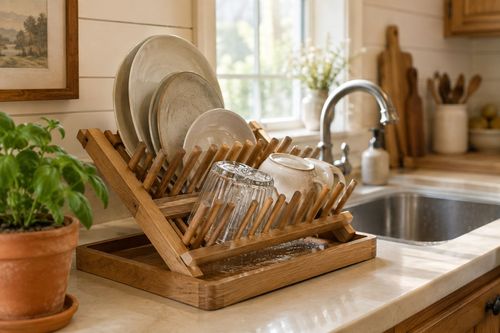
Build a slatted wood dish rack for $18—the dowel tilt angle is what actually drains water into the tray instead of pooling on your counter....

DIY Projects

27 October 2026

Post

Pool Noodle Knife Block: The Slice Depth That Stops Wobble

Turn a $1 pool noodle into a safe knife block—the slice depth is what keeps blades from wobbling loose or slicing through the foam....

DIY Projects

27 October 2026

Post

Build a Wooden Pie Carrier in 2 Hours for $25

Never smash a pie in the car again! Build a snug wooden pie carrier in 2 hours for $25—perfect timing for fall potlucks....

DIY Projects

26 October 2026

Post

Make Herb-Infused Honey in 30 Minutes for $12

Turn raw honey into a cold-season secret weapon—infuse it with thyme and ginger in 30 minutes for about $12, no fancy gear needed....

DIY Projects

25 October 2026

Post

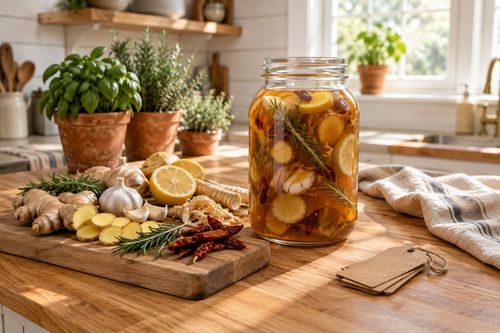
Make Homemade Fire Cider in 20 Minutes for $15

Steep this spicy apple cider vinegar tonic now so it's ready to fight off fall colds in 4 weeks—20 minutes, $15, zero cooking skills....

DIY Projects

23 October 2026

Post

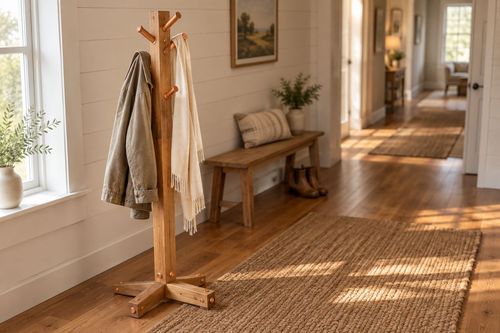
Build a Freestanding Coat Rack in 2 Hours for $35

Sick of coats piled on chairs? Build a sturdy freestanding coat rack in 2 hours for $35 — no wall drilling, just solid joinery....

DIY Projects

22 October 2026

Post

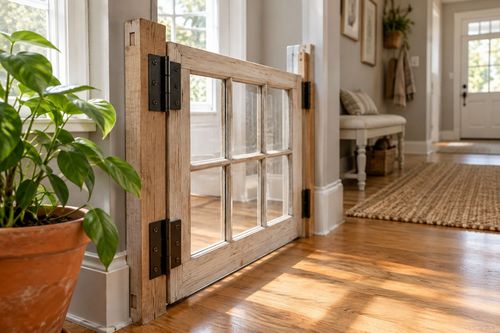
Window Frame to Pet Gate: The Hinge Set That Holds

Turn an old wooden window frame into a swinging pet gate for $22 — the hinge mortise depth is what keeps it from sagging open over time....

DIY Projects

22 October 2026

Post

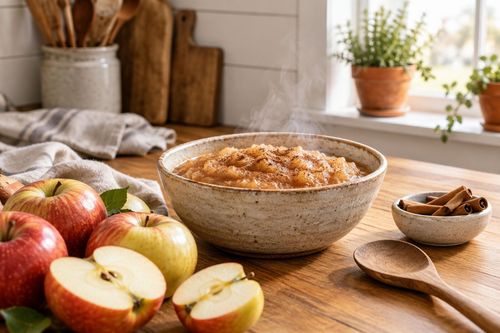
Make Spiced Homemade Applesauce in 1 Hour for $12

Turn a bag of fall apples into silky spiced applesauce in an hour for $12 — no peeling required if you've got the right tool....

DIY Projects

21 October 2026

Post

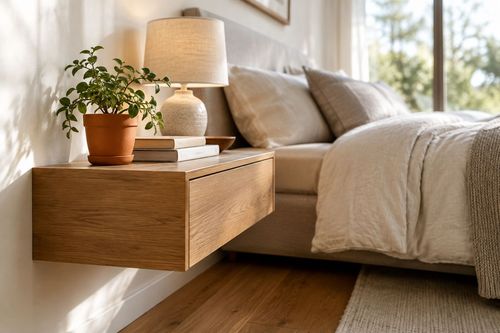
Floating Nightstand: The Bracket Depth That Holds Weight

Build a wall-mounted wooden nightstand for $25 — the bracket depth inside the wood is what stops it from sagging under a lamp and books....

DIY Projects

20 October 2026

Post

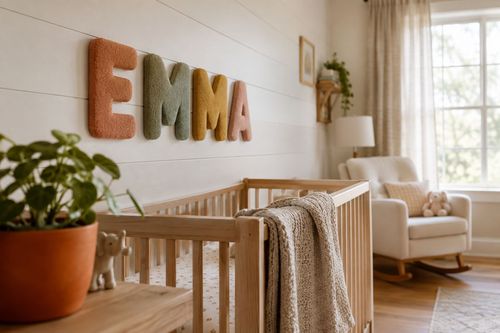
Foam Letter Wall Art: The Spacing Trick for $6

Turn dollar-store foam letters into custom nursery wall art for $6 — the spacing template is what keeps names looking store-bought, not crooked....

DIY Projects

19 October 2026

Post

Build a Tabletop Fire Bowl in 90 Minutes for $35

Turn a $35 metal bowl and lava rock into a tabletop fire feature perfect for crisp fall evenings and s'mores nights....

DIY Projects

16 October 2026

Post

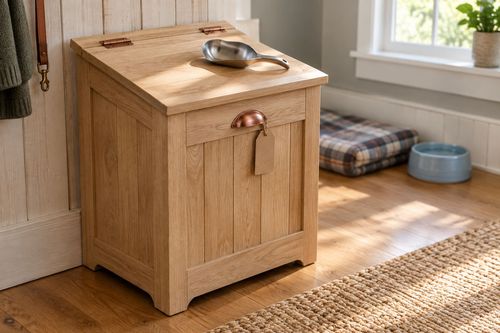
Build a Pet Food Storage Bin in 1 Hour for $30

Stop losing the war against stale kibble and pantry moths—build an airtight pet food bin in an hour for $30....

DIY Projects

15 October 2026

Post

Whittling a Wooden Spoon

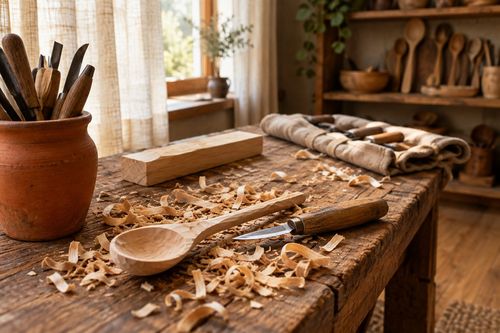
Try meditative spoon whittling for under $15—cutting with the grain (not against it) is the one rule that keeps your blank from splitting mid-carve....

DIY Projects

14 October 2026

Post

Wooden Pet Ramp: The Cleat Spacing That Stops Slips

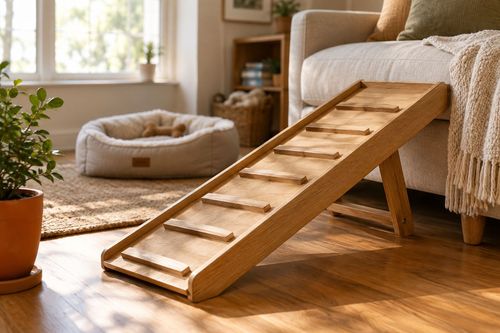
Build a wooden pet ramp for $20 — the traction cleat spacing is what keeps your dog's paws from sliding on the incline....

DIY Projects

13 October 2026

Post

Build a Compost Sifter Box in 1 Hour for $18

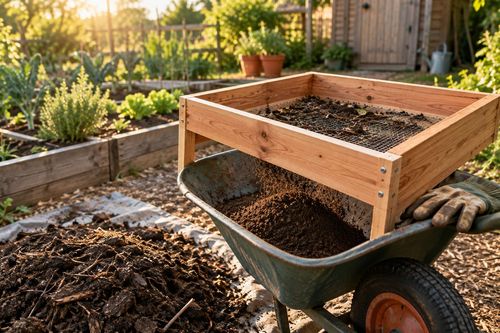
Turn chunky compost into fine garden gold! Build a simple hardware-cloth sifter box in an hour for $18—no more rock-and-stick surprises....
Terms and ConditionsDo Not Sell or Share My Personal InformationPrivacy PolicyPrivacy NoticeAccessibility NoticeUnsubscribe
Copyright © 2026 DIY HomeBoost