Make Beeswax Citrus Pomander Balls in 1 Hour for $12
Whether your clove-studded oranges end up fragrant keepsakes or fuzzy mold balls depends on one thing: pressing out moisture and drying them fully.

The first time I made pomanders, I left them on a kitchen shelf and found fuzzy green oranges two weeks later. The difference between pomanders that perfume a room for years and ones that rot within weeks comes down to moisture. Fresh orange flesh is mostly water, and cloves alone can't outpace mold in a humid room. Coating the studded fruit in a warm spice mix and then drying it in airflow pulls that water out so the peel hardens and preserves itself. Done right, the cloves also act as natural antimicrobials that lock in scent. The whole project takes about 1 hour of hands-on time for $12, plus a few weeks of passive drying.
What You'll Need
- Materials (~$12 total):
- 4 small thin-skinned oranges or clementines (~$3)
- 2 ounces whole cloves (~$4)
- 2 tablespoons ground cinnamon (~$1.50)
- 1 tablespoon ground allspice (~$1.50)
- 1 tablespoon orris root powder or extra cinnamon as a fixative (~$1)
- 3 feet of 1/4-inch velvet or satin ribbon (~$1)
- Tools:
- Wooden skewer or thick sewing needle
- Small bowl for the spice mix
- Masking tape, 1/4-inch wide strips or painter's tape
- Paper bag or open basket for drying
How to Do It
- Choose firm, thin-skinned fruit with no soft spots. Bruised fruit holds extra moisture and is the number one cause of mold later.
- Tape a ribbon guide by wrapping masking tape around the orange like a ribbon would sit, crosswise in a plus shape. This leaves bare peel where your ribbon will go and keeps the design tidy.
- Pierce the peel with a skewer along the exposed sections, making shallow holes about 1/4 inch apart. Pre-poking prevents bent or snapped cloves and sore thumbs.
- Press a whole clove into each hole, stem first, until the head sits flush. Packing them close matters because as the orange shrinks while drying, the gaps close up and the cloves lock together.
- Roll the studded orange in the cinnamon, allspice, and fixative mix, coating every bit of exposed peel. The powder draws surface moisture out and adds layered scent.
- Dry the oranges in a paper bag or open basket in a cool, airy spot for 3 to 4 weeks, turning them every few days. Airflow is key, so never seal them in plastic or a closed container.
- Check that each one feels light and hard throughout. If any spot still feels soft, give it another week before decorating.
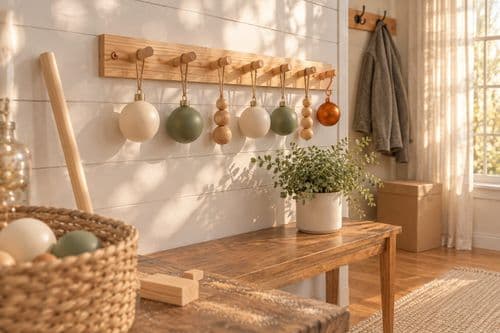
- Finish by removing the tape and tying a ribbon around the bare strip with a loop on top. Hang them from a tree, window latch, or bowl of greenery.
Floral designers who make holiday pomanders for clients often group them in odd numbers, using three or five in a shallow wooden bowl and tucking sprigs of fresh pine between them. Rub a few drops of cinnamon or clove essential oil onto the dried peel each December to refresh the scent without wetting the fruit.