Mulch Perennial Beds for Winter in 1 Hour for $25
The difference between perennials that bounce back in spring and ones that heave out of the ground dead comes down to mulch depth and timing, not just tossing bark down and hoping.
![[#~image_alt_1~#]](/_next/image?url=https%3A%2F%2Fd3klpa3rfwubzz.cloudfront.net%2Fmedia%2FAPI%20Uploads%2FDIY%2Fc0b509d921dba88a5147df4bdfa0e887_12d04e0881.jpg&w=1920&q=75)
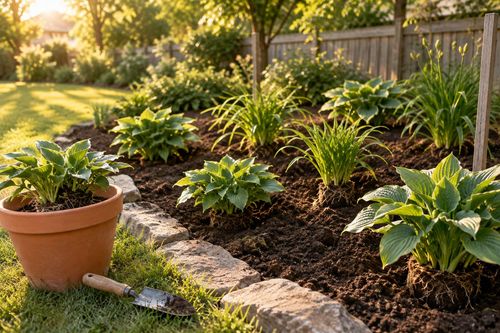
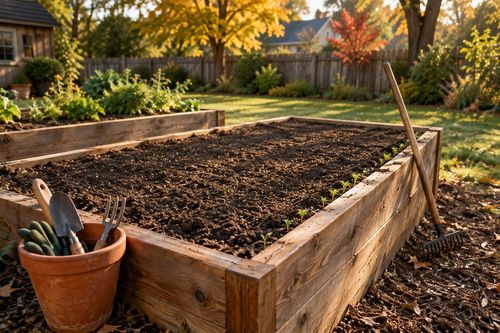
Every fall, well-meaning gardeners pile mulch on their perennial beds too early or too thin, and by February they're wondering why half their hostas and coneflowers didn't come back. The real variable is soil temperature timing: mulch applied before the ground actually cools insulates heat in and delays dormancy, while mulch applied too thin lets freeze-thaw cycles heave crowns right out of the soil, snapping roots in the process. The fix is waiting until after a couple of hard frosts, then laying down a consistent 3-inch layer that locks soil temperature steady all winter. This whole project takes about an hour and costs roughly $25 for a few bags of shredded leaf mulch or straw, and it's the single cheapest insurance policy your garden beds will get all year.
What You'll Need
- Materials (~$25 total):
- 3-4 cubic feet of shredded leaf mulch, straw, or bark mulch ($18-22)
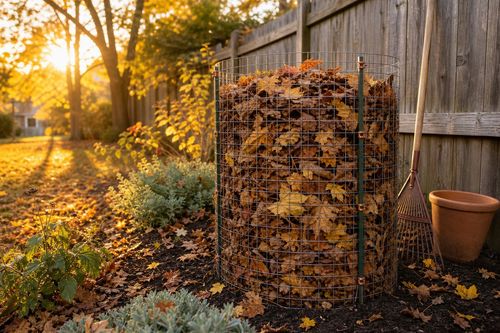
- Optional: 2-inch layer of chopped fall leaves saved from raking (free)
How to Do It
- Wait for at least one or two hard frosts before mulching — applying too early traps warmth in the soil and delays the plant's natural dormancy signal, which weakens it going into real cold.
- Cut back dead perennial foliage to about 2-3 inches above the crown, removing any diseased or mushy stems so they don't rot into the crown over winter.
- Clear debris and old mulch away from the base of each plant first, since matted leftover material traps moisture against the crown and invites rot.
- Water the bed thoroughly if the soil is dry, since insulated soil holds whatever moisture is already there when it freezes.
- Spread a 3-inch layer of mulch evenly across the bed, keeping it a couple inches away from direct contact with stems and crowns to prevent rot pockets.
- Mound slightly extra mulch, about 4-5 inches, around marginally hardy perennials or anything planted this fall, since their root systems are shallower and more vulnerable to heaving.
- Mark plant locations with small stakes before everything disappears under mulch and snow, so you don't accidentally dig into dormant crowns come spring cleanup.
- Check the bed after any major thaw-freeze swing through winter, patting mulch back down if frost has pushed it into uneven piles or exposed crowns.
Market gardeners who overwinter perennial stock beds swear by shredded leaves over bagged bark mulch because leaves break down into usable organic matter by spring, feeding the soil instead of just sitting on top of it. They also leave ornamental grasses and seed heads standing uncut through winter, since the structure traps extra insulating snow and feeds overwintering birds at the same time.