Winter-Proof Your Compost: Keep Decomposition Active All Season
Transform autumn's bounty into spring's garden gold with smart cold-weather composting
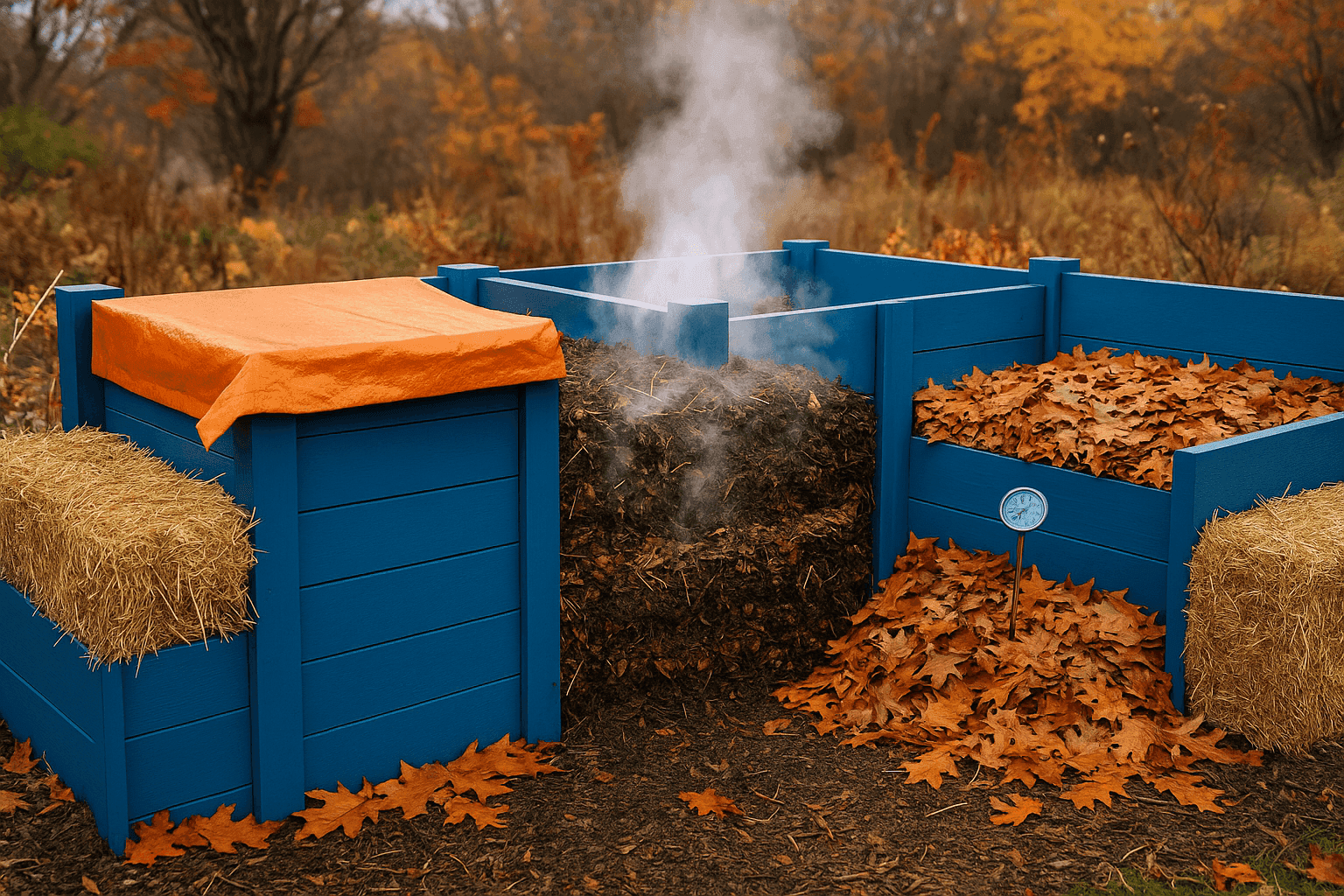
While most gardens slow down for winter, your compost bin can keep working hard to create that rich, dark "black gold" your plants will crave come spring. Winterizing your compost isn't just about protecting it from freezing – it's about creating the perfect environment for slow, steady decomposition that transforms kitchen scraps and yard waste into nutrient-dense soil amendment. The secret lies in balancing brown materials for insulation with just enough moisture and air circulation to keep beneficial microbes active even when temperatures drop. With the right preparation now, you'll uncover a treasure trove of finished compost when the first spring bulbs start pushing through the soil. This simple seasonal maintenance turns winter from a dormant period into prime composting time.
Winterizing Materials
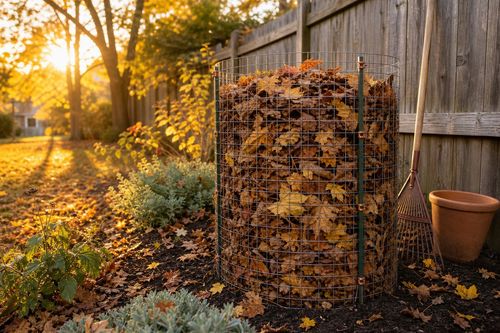
- Brown materials - Dry leaves, shredded newspaper, cardboard strips
- Straw or hay bales - For insulation barrier around bin sides
- Old blankets or tarps - Weather-resistant covering material
- Wire or bungee cords - To secure protective covers
- Garden thermometer - Monitor internal temperature ($8-12)
- Pitchfork or compost turner - For final mixing and aeration
- Garden hose - To adjust moisture levels if needed
Winter Prep Steps
- Layer 6 inches of carbon-rich brown materials on top of your existing compost pile
- Mix the pile one final time to distribute materials evenly and create air pockets
- Check moisture levels – pile should feel like a wrung-out sponge, not soggy or bone dry
- Surround your bin with straw bales or leaves to create insulating barriers on all sides
- Cover the top with breathable material like burlap or old blankets, leaving small air gaps
- Secure covering with bungee cords or weights to prevent wind displacement
- Mark your calendar to check and turn the pile monthly throughout winter
- Monitor internal temperature – active compost should stay between 90-140°F even in cold weather
Create a "compost sandwich" for optimal winter decomposition by alternating 4-inch layers of green materials (kitchen scraps, fresh grass clippings) with 6-inch layers of browns (leaves, paper, cardboard). This layering technique maintains the ideal carbon-to-nitrogen ratio while the extra brown materials provide natural insulation. Position your thermometer probe 12 inches deep in the center of the pile – if temperatures drop below 90°F, add a shovelful of fresh kitchen scraps to reactivate the decomposition process. Remember, a properly winterized compost pile can stay active down to 20°F!