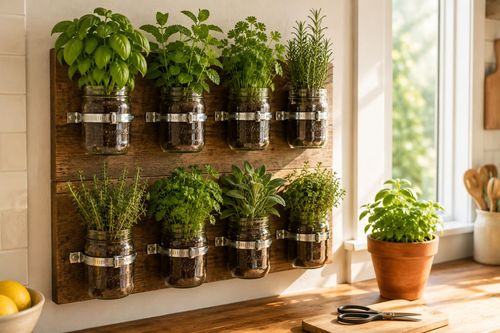
Windowsill Wonder: Create Your Perfect Herb Garden Oasis
Bring fresh flavors and vibrant greenery into your kitchen with a beautiful, functional herb garden
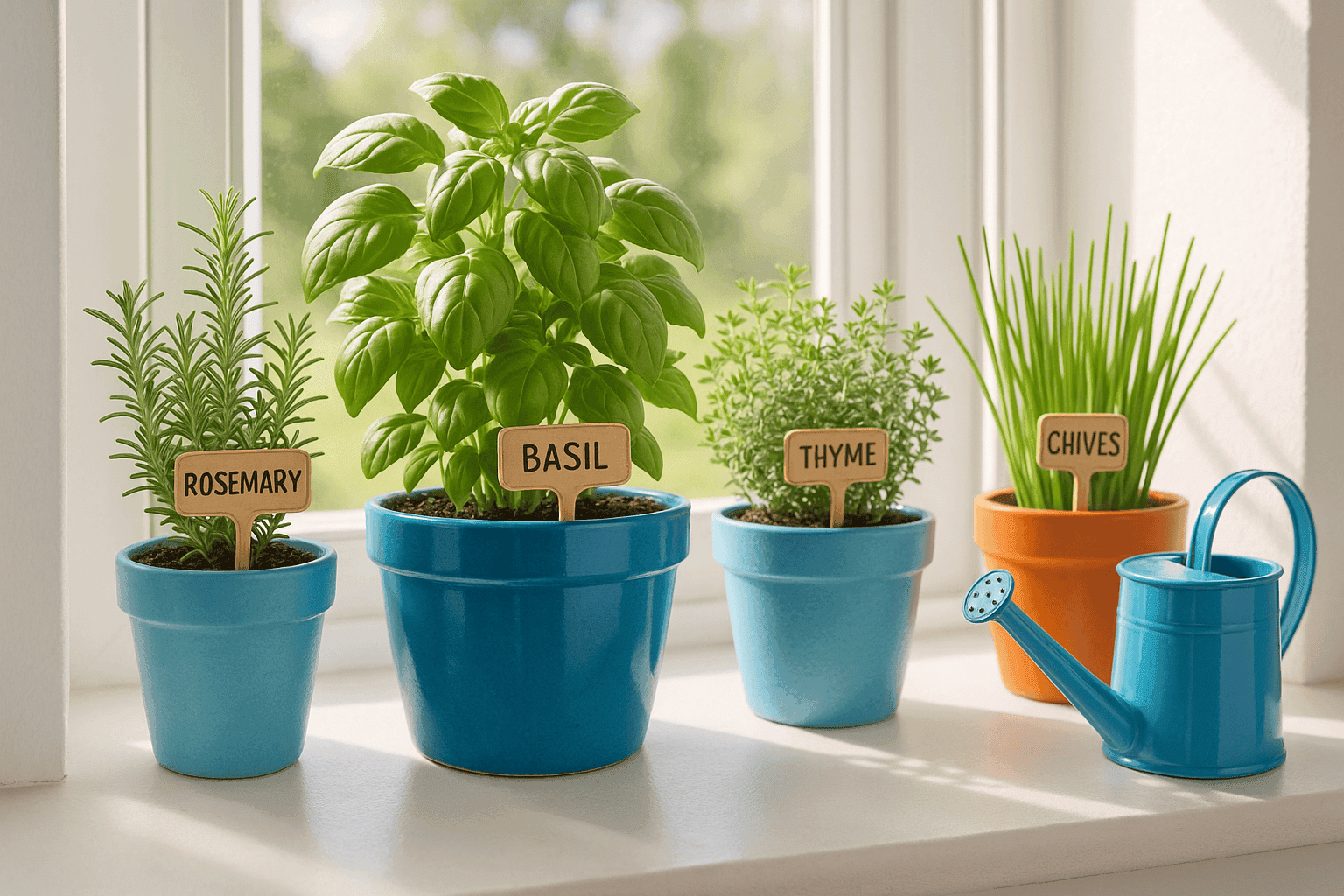
A windowsill herb garden combines beauty and functionality, bringing the freshness of the outdoors into your kitchen while providing aromatic herbs for cooking. Even those with limited space or gardening experience can create a thriving herb collection that adds vibrant color, delightful fragrance, and fresh flavors to everyday meals. With just a sunny windowsill and a few basic supplies, you can establish an herb garden that's as beautiful as it is useful.
What You'll Need
| • Small pots with drainage holes (4-6 inch diameter) |
| • Matching saucers or drip tray |
| • High-quality potting soil for herbs |
| • Herb seedlings or seeds (basil, mint, rosemary, thyme, etc.) |
| • Small watering can |
| • Plant markers or labels |
| • Decorative pebbles or moss (optional) |
| • Small scissors or pruning shears |
| • Spray bottle for misting |
How To Do It
- Select the right location: Choose a windowsill that gets at least 6 hours of sunlight daily, preferably south or west-facing. Avoid locations with cold drafts or excessive heat.
- Choose your herbs: For beginners, try these easy-to-grow varieties:
- Basil - great for Italian dishes
- Mint - perfect for drinks and desserts
- Rosemary - ideal for roasts and potatoes
- Thyme - versatile for many dishes
- Chives - adds mild onion flavor
- Prepare your pots: Place a small layer of pebbles at the bottom of each pot for drainage, then fill with potting soil to about 1 inch below the rim.
- Plant your herbs: For seedlings, create a hole in the soil slightly larger than the root ball, place the plant, and gently firm soil around it. For seeds, follow packet instructions for planting depth and spacing.
- Water properly: Water thoroughly after planting until water drains from the bottom. Going forward, water when the top inch of soil feels dry, typically every 2-3 days.
- Add finishing touches: Label each herb clearly, add decorative pebbles or moss on top of the soil if desired, and arrange pots in an attractive grouping on your windowsill.
- Maintain your garden: Pinch off flower buds as they appear to encourage leaf growth. Harvest regularly by cutting stems just above a leaf node to promote bushier growth.
Professional stylists know that cohesion is key to an attractive herb display. Choose pots that either match exactly or create intentional contrast through coordinated colors or complementary materials. Consider using a tiered plant stand if windowsill space is limited, creating vertical interest while maximizing your growing area. For an elegant touch, replace standard plastic plant markers with small slate tablets and chalk or decorative wooden stakes. When arranging your herbs, place taller varieties like rosemary or basil toward the back and trailing types like thyme toward the front for a naturally balanced composition that's as beautiful as it is functional.