Window of Opportunity: Turn Old Frames into Cold Frames
A salvage shop window frame, a pair of hinges, and two hours — the raised bed upgrade that extends your growing season by weeks and looks stunning doing it
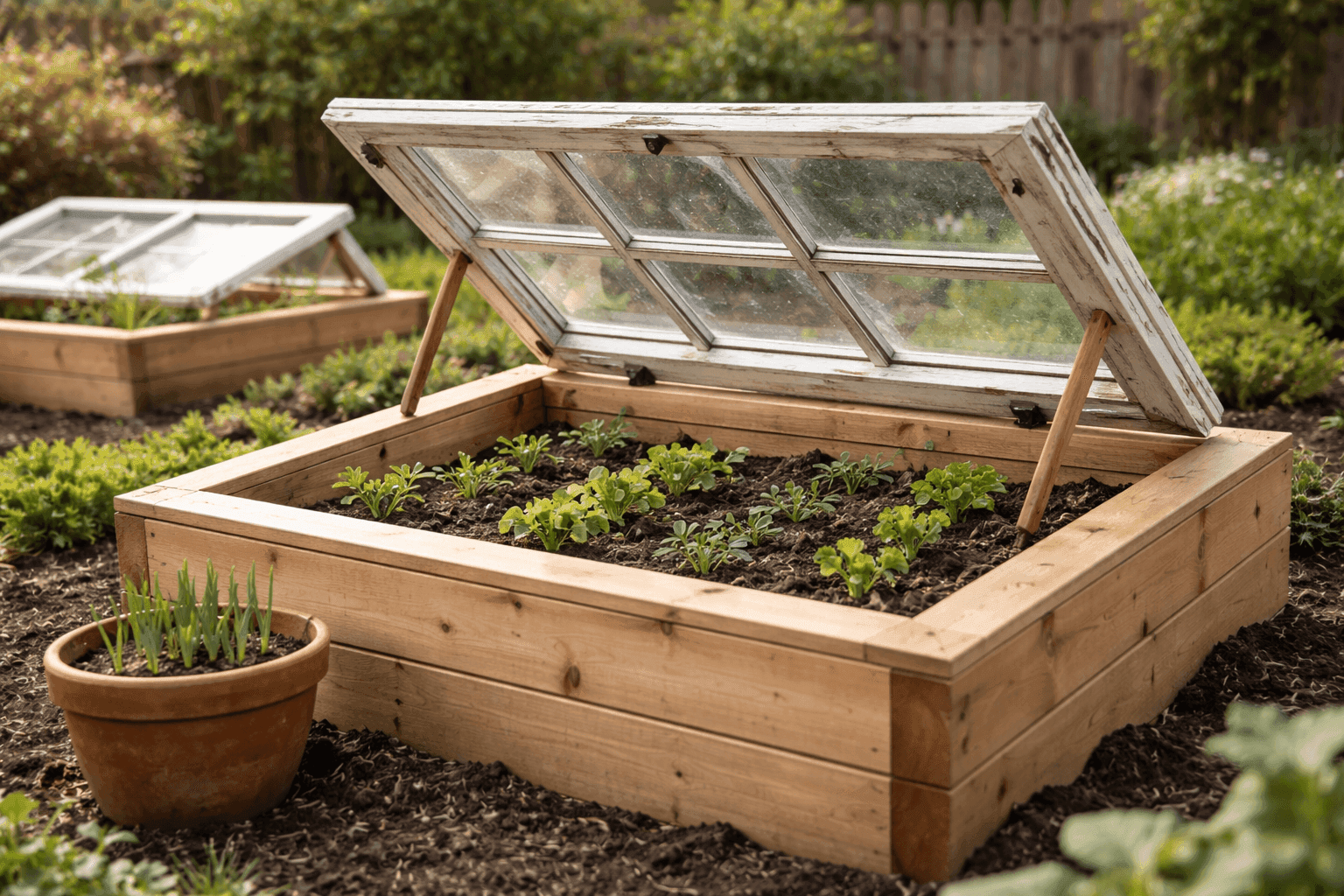
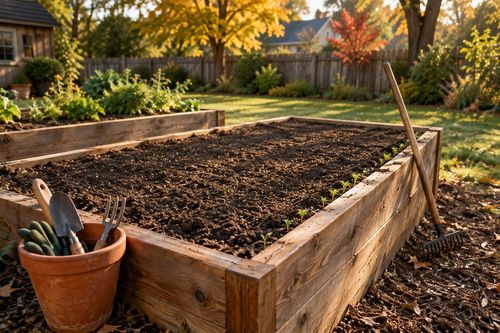
A cold frame is one of the most genuinely useful things a serious kitchen gardener can have — it extends the growing season by weeks on both ends, protects seedlings from late frosts that would otherwise wipe out an entire tray of carefully started plants, and creates a microclimate warm enough to harden off tomatoes and peppers three weeks earlier than open-air conditions allow. The traditional versions are expensive, flimsy, or both. An old wooden window frame hinged directly to the back edge of a raised bed costs $25–$50 in total materials, lasts for years, and adds the kind of vintage garden character that makes your beds look like they belong in a gardening magazine. Salvage shops, architectural salvage yards, ReStore locations, and Facebook Marketplace regularly have stacks of old single-pane wooden window frames for $5–$15 each — the hard part isn't finding them, it's limiting yourself to the number of raised beds you actually have. This is the raised bed upgrade that pays for itself in extended harvests the very first season you use it.
What You'll Need
- The Window Frames
- Old single-pane wooden window frames sized to match your raised bed width as closely as possible — within 2–3 inches is workable, exact match is ideal — sourced from salvage shops, ReStore, estate sales, or Facebook Marketplace for ~$5–$15 each
- Single-pane glass windows are preferred over double-pane — double-pane units are significantly heavier and the seal between the panes eventually clouds and reduces light transmission, while single-pane stays clear and lets maximum light through to seedlings
- Check every frame for structural integrity before buying — press firmly on each corner joint and confirm the frame doesn't flex or rack. A loose corner joint can be re-glued, but a cracked or rotted rail needs to be rejected at the salvage shop rather than discovered after installation
- Avoid frames with broken glass — replacing a single pane in an old frame requires sourcing custom-cut glass and is rarely worth the effort when intact frames are plentiful at the same price
- Hinge Hardware
- Two heavy-duty strap hinges or butt hinges per frame — rated for outdoor use in a size appropriate for the window weight, typically 3–4 inch hinges for standard single-pane frames — ~$6–$10 for a pair at a hardware store
- Exterior-rated screws included with most hinge sets — confirm the screw length works with both the window frame thickness and the raised bed wall thickness before driving any
- Stainless steel or galvanized hardware only — standard zinc screws and hinges rust visibly within a single wet season when used outdoors on a structure that gets regular watering
- Frame Prep Supplies
- Exterior wood glue for re-securing any loose corner joints before installation — ~$5–$8 for a small bottle of Titebond III or similar waterproof formula
- 120 and 220-grit sandpaper for smoothing rough spots and weathered grain that could catch on the raised bed edge during opening and closing
- Exterior wood primer and paint or exterior stain for refinishing any frames that need it — one small can covers several frames — ~$8–$15
- Linseed oil or teak oil as a simple one-product finish for frames you want to preserve with a natural look rather than paint
- Ventilation & Safety Hardware
- A prop stick — a simple 12-inch piece of scrap lumber or a wooden dowel — for holding the frame open at a consistent ventilation height on warm days
- A hook-and-eye latch for securing the frame closed on windy nights — ~$2–$3 per frame — a cold frame lid caught by a gust and slammed open damages both the glass and the hinge attachment points
- Optional: a small automatic vent opener that uses a heat-sensitive wax cylinder to prop the lid open when interior temperatures exceed a set threshold — ~$25–$35 per unit and worth every penny for anyone who can't check the cold frame multiple times daily during variable spring weather
How to Install It
- Source and size your frames carefully before any other step — measure your raised bed width and bring that measurement to the salvage shop rather than eyeballing. A frame that overhangs the bed by more than 2 inches on each side becomes a leverage problem that puts uneven stress on the hinge attachment points every time it opens, and a frame significantly narrower than the bed leaves ungapped sections where cold air pours in at the edges and defeats the entire purpose of the cold frame. Close sizing is the whole foundation the project rests on.
- Prep and repair the frames before installation — re-glue any loose corner joints with exterior wood glue and clamp overnight, sand all surfaces smooth, and apply your chosen finish to all faces and edges including the underside that will face the plants. Finishing the underside is the step most people skip that causes the most problems — unfinished wood on the interior face of a cold frame is constantly exposed to condensation and moisture from the soil and plants below, and it rots from the inside out significantly faster than the exterior face that gets weathered by rain and sun.
- Mark the hinge positions on the back wall of the raised bed with a pencil before drilling anything — position each hinge 4–6 inches in from the outer corners of the frame and confirm both hinges are at exactly the same height on the bed wall so the frame sits level when closed. An uneven hinge installation produces a cold frame lid that gaps on one side regardless of how carefully you close it, and that gap is enough cold air intrusion to damage tender seedlings on a frosty night.
- Attach hinges to the window frame first by drilling pilot holes through the hinge leaf and into the back rail of the window frame, then driving screws firmly — pre-drilling into old wood prevents splitting the aged lumber that often has dried and become more brittle than new stock. Position the hinge barrel right at the outer edge of the frame's back rail so when the lid opens it rotates cleanly over the back wall of the raised bed rather than binding against it halfway through the arc.
- Hold the frame in position on the raised bed with a helper and confirm it sits level and flush against the top back edge before marking and drilling the bed attachment holes — this is the step where having a second set of hands saves significant frustration, because holding a glass-paned window frame level while simultaneously marking screw locations is genuinely awkward alone. Confirm the frame overhangs the front of the bed slightly when closed so rain runs off the glass rather than pooling at the front joint between the frame and the bed wall.
- Drive the hinge screws into the raised bed wall with pilot holes pre-drilled to prevent splitting the bed frame lumber — tighten firmly but not so aggressively that the screw head pulls through the hinge leaf, which compromises the holding strength of the attachment immediately. Open and close the frame slowly several times after fastening to confirm the rotation arc is clean and the frame sits flush when closed with no binding or racking that indicates a slightly misaligned hinge position.
- Install the hook-and-eye latch on the front edge of the frame and the corresponding front wall of the raised bed — position it so the latch engages with slight downward pressure that pulls the front edge of the frame snug against the bed wall and eliminates the gap that cold air would otherwise find. A cold frame that closes but doesn't latch is a cold frame that blows open in the first night wind and lets frost damage the seedlings you installed the whole system to protect.
- Cut and store your prop stick beside each cold frame — a 10–12 inch length of scrap 1x2 or a wooden dowel propped under the front edge of the open frame provides reliable ventilation on warm days without requiring you to find something to hold it open every morning. On days above 50°F, even brief full closure can superheat a cold frame interior to temperatures that stress or kill seedlings within hours — the prop stick is the simple, low-tech solution that prevents the overheating that causes as many cold frame seedling losses as actual frost does.
Market gardeners who use cold frames professionally to extend season margins on salad greens and cut flowers use a temperature management technique that most home gardeners never learn: they regulate cold frame interior temperature not just by opening and closing the lid but by the orientation of the raised bed itself. A cold frame on a south-facing raised bed in full sun can reach 80–90°F inside on a 40°F sunny day — hot enough to bolt lettuce and stress brassica seedlings — while a north-facing bed in partial shade may never get warm enough for meaningful early season growth. Before installing cold frame lids, assess each raised bed's sun exposure across a full day and match your most sun-exposed south-facing beds to your most cold-sensitive crops like tomatoes and peppers, reserving partially shaded beds for cool-season crops like lettuce and spinach that don't need maximum heat accumulation. The other detail professional market gardeners never skip: painting the interior walls of the raised bed flat black before installing the cold frame lid. Black-painted interior walls absorb solar heat during the day and radiate it back into the enclosed space overnight, measurably raising the minimum nighttime temperature inside the cold frame and extending frost protection by several degrees without any additional materials or effort.