Wax Revolution: Make Reusable Food Wraps That Replace Plastic
Create sustainable kitchen storage from infused cotton fabric that lasts a year and eliminates single-use plastic
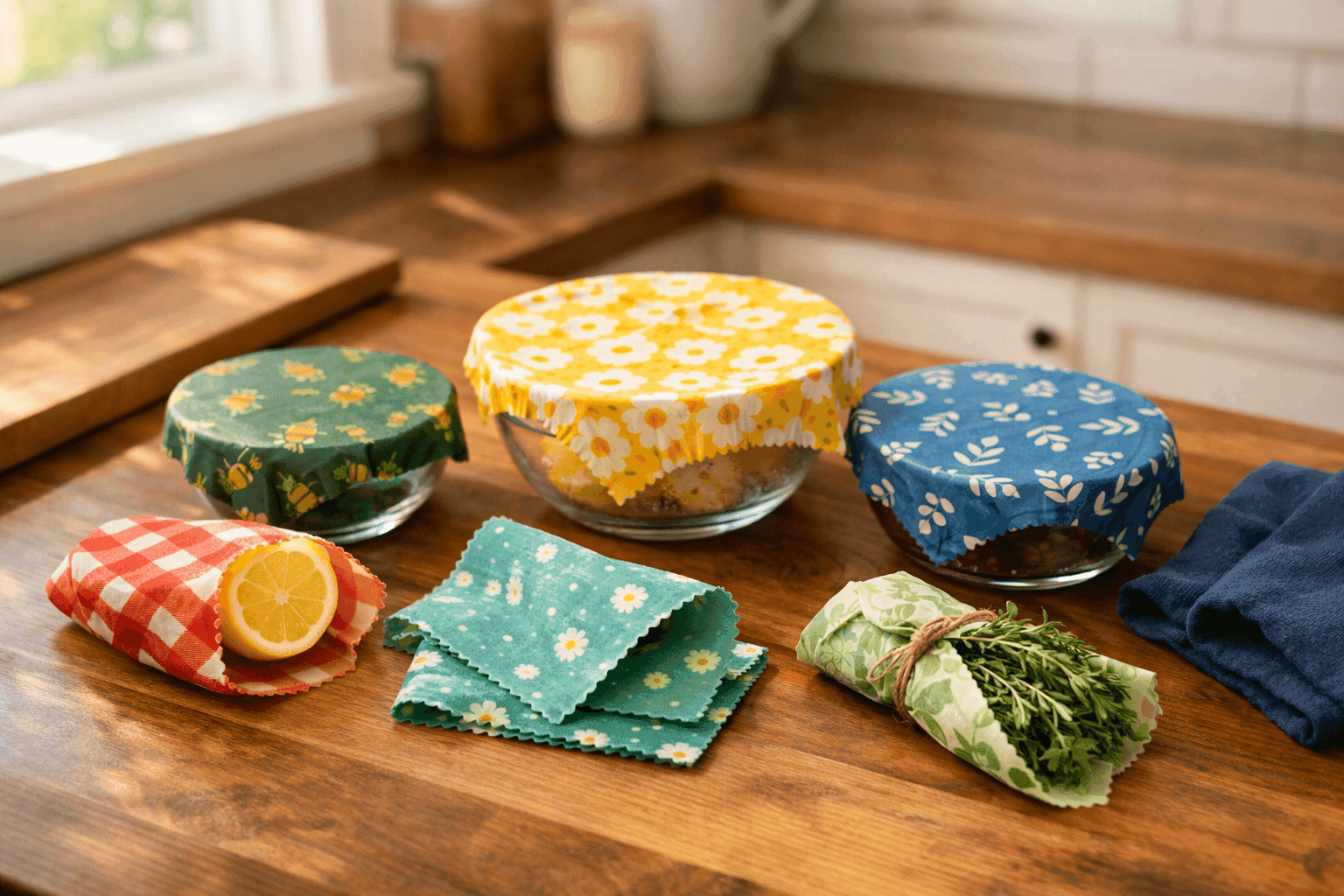
You go through roll after roll of plastic wrap that gets used once and thrown away, contributing to landfill waste while costing you money for something that's literally designed to be disposable. Store-bought beeswax wraps solve the sustainability problem but they cost $15-25 for a set of three, which feels expensive for what amounts to fabric coated in wax. Making your own reusable beeswax food wraps costs about $20 for supplies that create a dozen wraps, takes roughly an hour for a batch, and gives you sustainable kitchen storage that lasts approximately a year with proper care. These wraps work beautifully for covering bowls, wrapping produce, cheese, and baked goods—anything except raw meat—and the natural antibacterial properties of beeswax actually help food stay fresh. This project combines environmental consciousness with practical functionality, proving that sustainable choices don't require sacrificing convenience or spending significantly more money than wasteful alternatives.
What You'll Need
- Cotton Fabric: 100% cotton in fun patterns, pre-washed to remove sizing ($8-10 for yard)
- Beeswax: Pellets or grated block, easier to melt and distribute evenly ($8-10 for 8 oz)
- Pine Resin: Adds stickiness for better cling ($6-8 for small bag)
- Jojoba Oil: Keeps wraps flexible and prevents brittleness ($5-7 for small bottle)
- Baking Setup: Parchment paper, baking sheet, paintbrush for spreading wax
- Cutting Tools: Fabric scissors or pinking shears for preventing fraying
- Time Investment: 1 hour for batch of 10-12 wraps in various sizes
Step-by-Step Method
- Cut fabric into various sizes—small squares for half lemons, medium for bowls, large for bread loaves—using pinking shears if possible to reduce fraying
- Preheat oven to 200°F and line baking sheet with parchment paper to catch any wax drips during the melting process
- Mix your wax blend using approximately 4 parts beeswax, 1 part pine resin, and a few drops of jojoba oil for optimal flexibility and cling
- Place one fabric piece on parchment-lined baking sheet and sprinkle evenly with wax pellets, covering the entire surface but not too heavily
- Bake for 3-5 minutes until wax completely melts, then use a paintbrush to spread wax evenly across fabric, ensuring complete saturation
- Remove from oven and immediately peel fabric from parchment while still warm—it will stiffen as it cools into its final form
- Hang or lay flat to cool completely for about 30 seconds, during which the wrap will transform from flexible to its working consistency
- Store finished wraps folded or rolled in a drawer away from heat, and wash in cool water with mild soap when they need cleaning
Zero-waste advocates recommend making wraps in a variety of sizes rather than all one dimension, because different foods require different coverage areas and having options prevents frustration when a wrap is slightly too small or wastefully large. Create several small wraps for covering cut produce, medium wraps for standard bowls, and a few large wraps for bread or covering platters. Also, choose fabric patterns strategically—busy prints hide any discoloration better than solids, and darker colors age more gracefully than light fabrics that can show staining over time. The pine resin is optional but highly recommended because it dramatically improves cling; wraps made with only beeswax work but don't stick to bowls as effectively. When your wraps eventually wear out after 6-12 months of regular use, they're completely compostable unlike plastic alternatives, and you can even cut them into small pieces to use as fire starters since they're essentially wax-soaked fabric. The key to long-lasting wraps is never exposing them to hot water or heat sources, which melts the wax coating and ruins your work.