Water Smart: DIY Drip Irrigation System
Save time, water, and your plants with this game-changing system that delivers perfect hydration automatically!
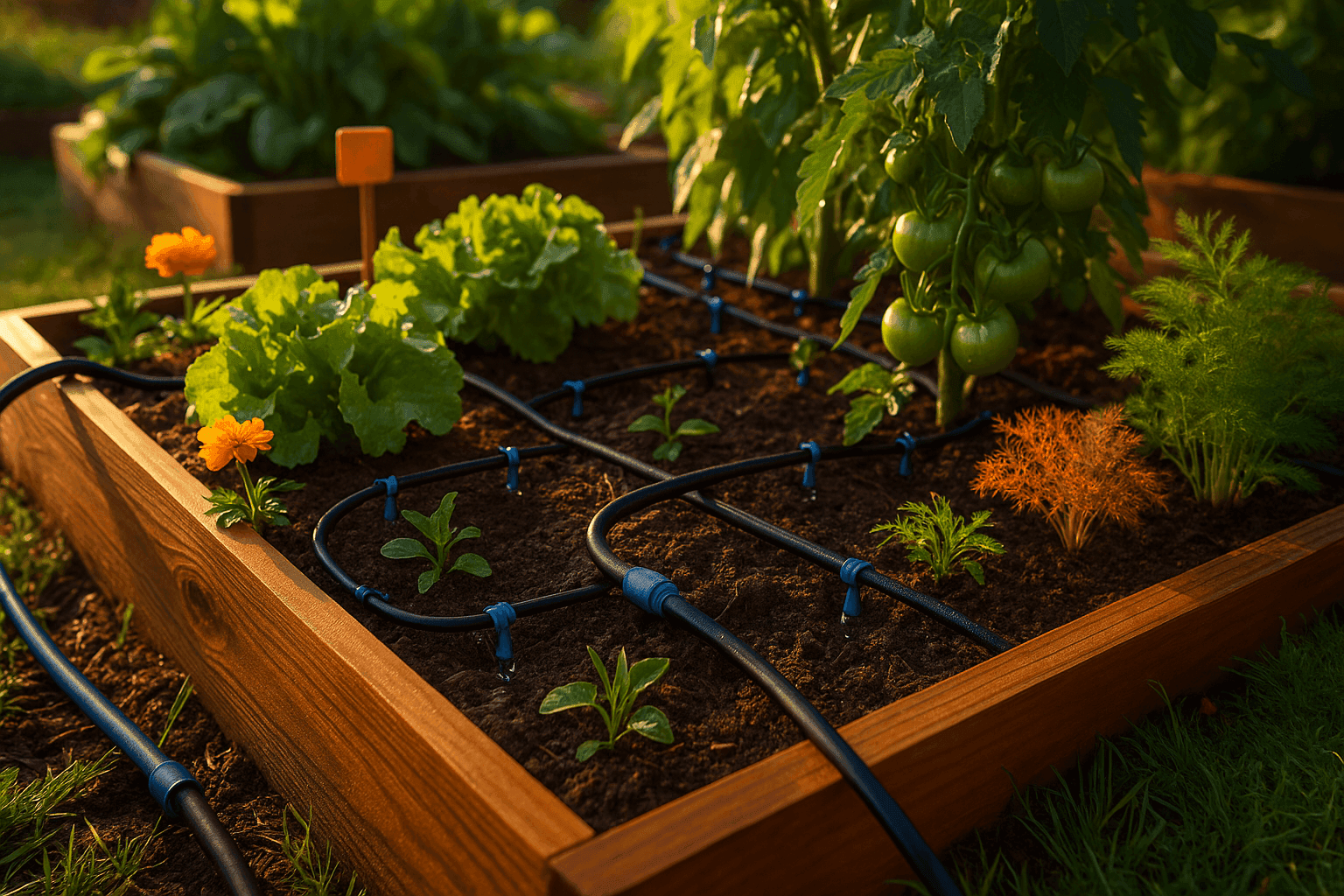
Remember the summer I went on vacation and came home to a garden that looked like a desert wasteland? That disaster taught me the value of consistent watering – and led me to install my first drip irrigation system. Now, three years later, my plants get perfect hydration whether I'm home or not, my water bill is 40% lower, and I spend my summer evenings enjoying my garden instead of standing there with a hose. This system delivers water slowly and directly to root zones, which means no evaporation waste, no leaf diseases from overhead watering, and no more guilt about forgetting to water during busy weeks. At $50-80 for a complete setup, it's one of those investments that pays for itself in saved plants and reduced water bills.
What You'll Need
- Main Supply: 1/2-inch soaker hose or mainline tubing (~$15-25 for 50 feet)
- Emitter Components: 1/4-inch distribution tubing, drip emitters (1-4 GPH rating), tube connectors (~$25)
- Control System: Pressure regulator, timer, filter, backflow preventer (~$20-30)
- Installation Tools: Hole punch tool, tubing cutter, small shovel for burying lines
- Securing Hardware: Landscape stakes, tube clips, end caps for sealing
- Optional Upgrades: Mulch to cover lines, fertilizer injector, moisture sensors
Step-by-Step Method
- Plan your layout by measuring garden beds and sketching water delivery points for each plant
- Install the main supply line by connecting to your water source through a pressure regulator and timer
- Run 1/2-inch mainline tubing along the edges of your beds, securing with landscape stakes
- Punch holes in the mainline at plant locations using the specialized hole punch tool
- Connect 1/4-inch distribution tubing to mainline holes and route to individual plants
- Install appropriate emitters based on plant water needs (vegetables need 2-4 GPH, shrubs need 1-2 GPH)
- Test the entire system at low pressure, checking for leaks and proper water flow to each plant
- Adjust timer settings for your climate and season (typically 15-30 minutes every other day)
Professional irrigation installers use the "zone method" – group plants with similar water needs together on the same circuit. Vegetables and annuals get high-output emitters on shorter cycles, while established perennials and shrubs get low-output emitters on longer cycles. Also, install a moisture sensor near your most sensitive plants – it'll override your timer during rainy periods, preventing overwatering and root rot while saving money on your water bill!