Upcycle Old Books into Hidden Storage Boxes: Literary Secrets
Transform outdated hardcovers into clever hiding spots that blend seamlessly on shelves
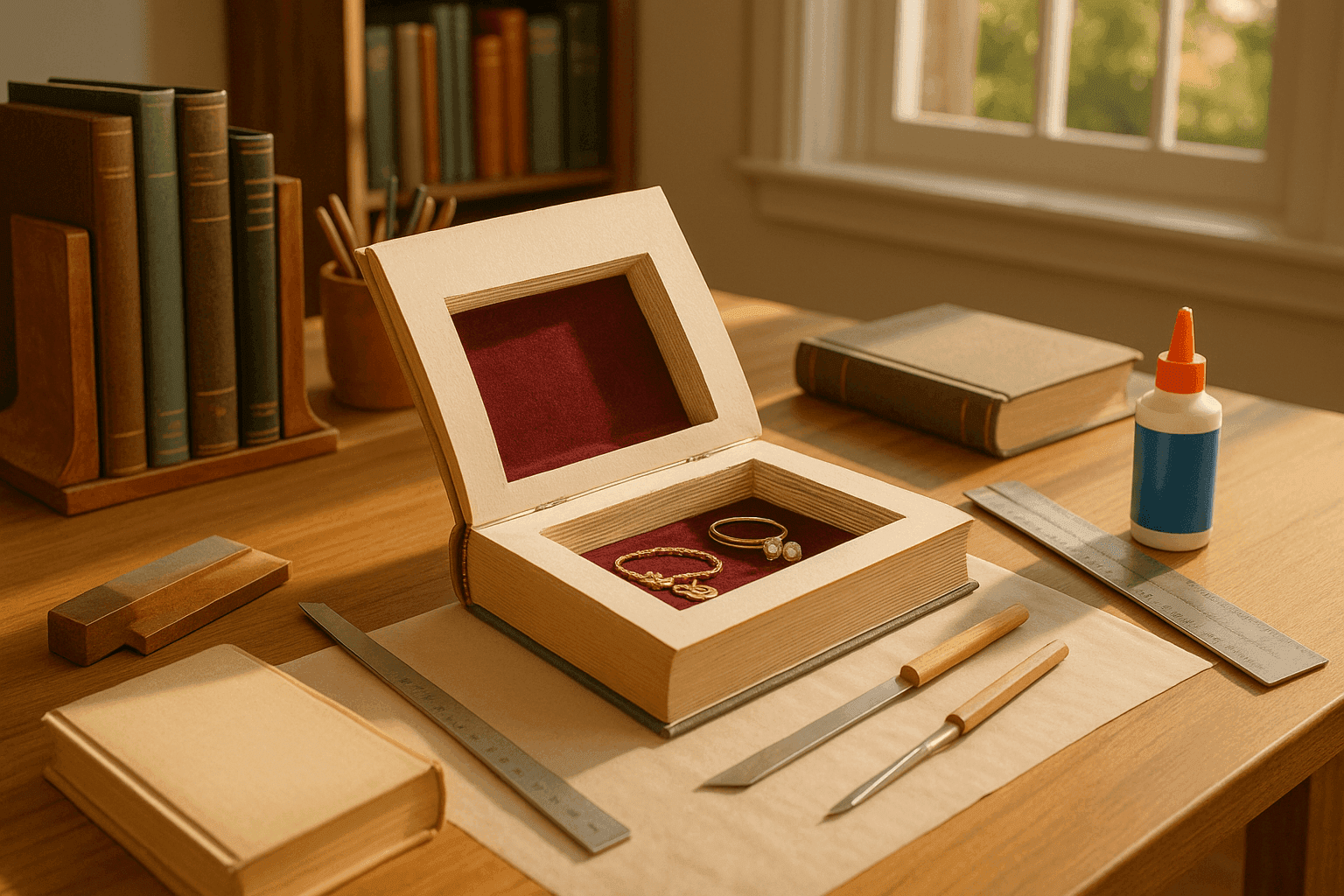
There's something delightfully clever about hiding valuables in plain sight within hollowed-out books that sit innocuously on shelves among your regular collection, fooling even the most observant guests. Transforming thick hardcover books into secret storage compartments turns outdated encyclopedias and forgotten novels destined for donation into functional pieces that serve double duty as both decorative shelf fillers and discreet hiding spots for jewelry, cash, or small treasures. This project appeals to our universal love of secrets and hidden passages, creating that satisfying feeling of having outsmarted potential snoops while giving new purpose to books that would otherwise gather dust or end up in landfills. The process requires patience and precision but delivers uniquely personal storage solutions that blend seamlessly into your existing decor while keeping precious items secure in the last place anyone would think to look.
Book Transformation Supplies
- Book Selection: Thick hardcover books (at least 2 inches thick), outdated encyclopedias or vintage novels work perfectly
- Cutting Tools: Sharp craft knife with replacement blades, metal ruler, cutting mat to protect work surface
- Adhesive Materials: Mod Podge or white glue diluted with water, foam brush for application
- Measuring Tools: Pencil for marking, ruler for precise measurements, clamps to hold pages during drying
- Finishing Supplies: Sandpaper for smoothing edges, decorative paper or felt for lining compartment
- Safety Equipment: Cut-resistant gloves, well-ventilated workspace, extra blades for clean cuts
Secret Compartment Creation
- Select starting page about 20-30 pages from the front cover to maintain authentic appearance
- Seal remaining pages together by brushing diluted glue along all exposed edges, clamping until dry
- Mark cutting area leaving 1-inch border from all edges for structural integrity
- Cut through glued pages using craft knife and ruler, removing small sections at a time
- Continue cutting and removing pages until compartment reaches desired depth, typically 1-1.5 inches from back cover
- Smooth interior walls with sandpaper, removing rough edges and paper fragments
- Seal inside compartment with additional glue coats for durability and clean appearance
- Line compartment with decorative paper or felt for finished look that protects stored items
Professional book artists recommend choosing books with titles that match your interests or decor theme so they blend naturally on shelves rather than looking suspiciously random. For the cleanest cuts and easiest process, let glued pages dry completely overnight before beginning to hollow – rushing this step creates frustration as pages separate and shift during cutting. The secret to book safes that truly fool observers is maintaining the natural spine curve and aged appearance rather than making them look obviously altered – store them upright between regular books on shelves where they disappear into your collection rather than sitting alone where they draw attention.