Treasured Finds: Create Beautiful Nature Collection Displays
Transform nature walk discoveries into educational wall art that celebrates outdoor adventures
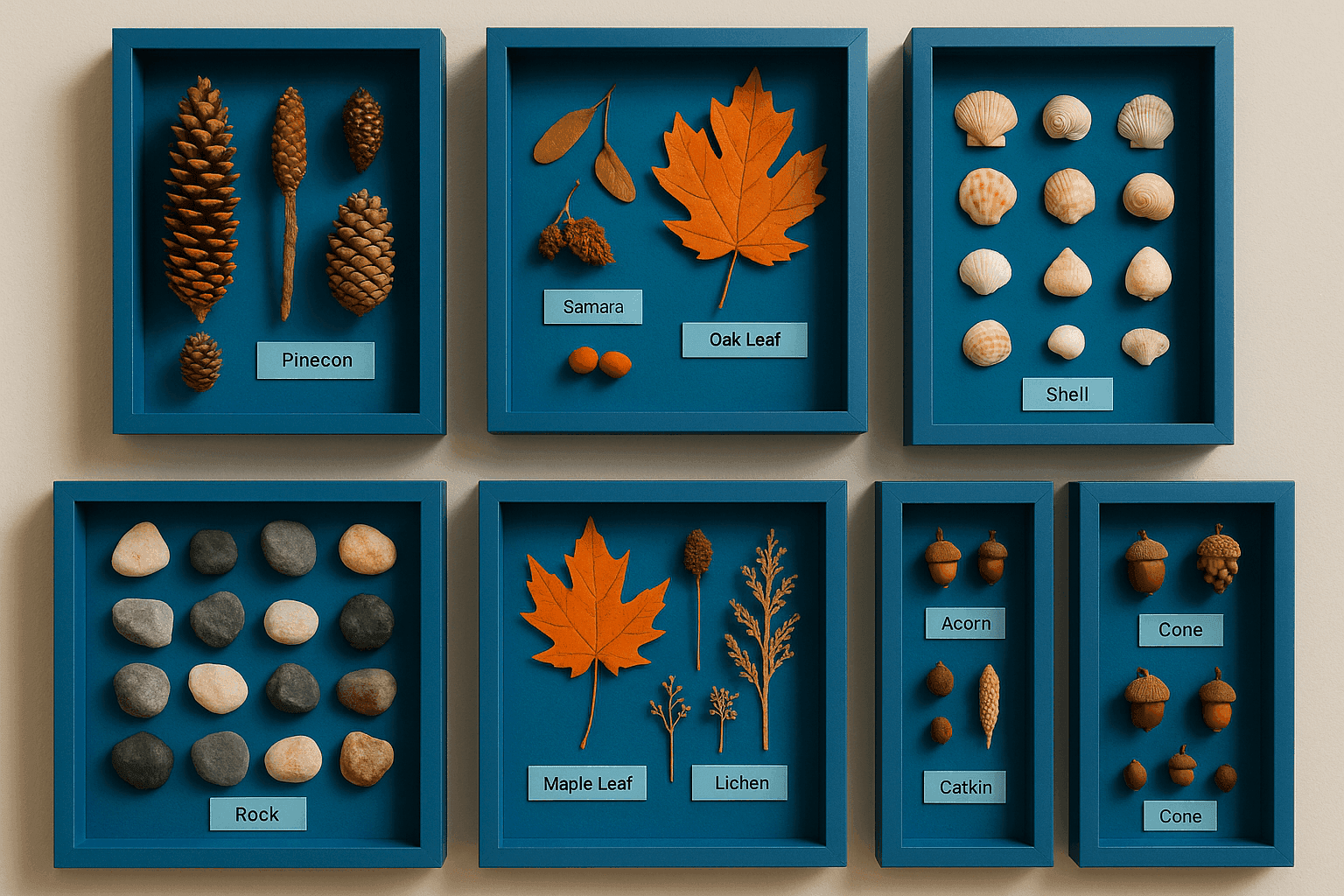
I started making nature collection shadow boxes when my kids' pockets began overflowing with "treasures" from every walk we took, and I realized these weren't just random rocks and sticks – they were precious memories of outdoor adventures! There's something magical about transforming a shoebox full of seemingly ordinary nature finds into a beautiful display that tells the story of family hikes, beach trips, and backyard explorations. These shadow boxes have become some of our most treasured home décor because every single item holds a memory, and guests love hearing the stories behind each pinecone or interesting rock. The process of organizing and labeling our finds together has turned into an educational activity that helps my kids learn about different tree species, rock types, and seasonal changes. Now our nature walks have an extra layer of purpose and excitement as we hunt for specimens worthy of our ever-growing collection!
Display Materials
- Shadow Box Frames: Deep display boxes in various sizes, 11x14" to 16x20" ($15-40 each)
- Background Materials: Natural burlap, cork sheets, or textured paper for mounting ($8-15)
- Mounting Supplies: Museum putty, small pins, invisible thread for secure attachment ($10-15)
- Labels: Small tags, printed labels, or calligraphy pens for identification ($5-12)
- Collection Prep: Cleaning brushes, preservation spray, storage containers ($8-20)
- Organization Tools: Tweezers, small brushes, magnifying glass for detailed work ($10-18)
- Total Per Box: $55-120 for museum-quality nature displays that educate and inspire
Display Creation
- Clean and prepare nature specimens, removing dirt and checking for insects
- Sort collections by theme - types of pinecones, rock varieties, or seasonal finds
- Plan layout by arranging items on background before permanent mounting
- Research specimens to create educational labels with names and interesting facts
- Mount larger items with museum putty, smaller ones with pins or invisible thread
- Add labels that identify specimens and note where/when they were found
- Include collection dates and locations to create memory-rich displays
- Seal shadow box and hang at child-friendly height for daily enjoyment and learning
Museum curators know that the secret to compelling natural history displays is creating visual rhythm through grouping and spacing. Here's my signature technique: arrange specimens in triangular compositions with varying heights and sizes, leaving enough white space so each item can be appreciated individually. My favorite educational touch is adding a small map showing where each specimen was collected – it turns the display into a visual story of family adventures. Pro tip: create themed boxes like "Autumn Treasures," "Beach Finds," or "Backyard Discoveries" rather than mixing everything together. This approach makes each display more focused and educational. Also, involve kids in the research process – they love learning the "official" names for their treasures and become excited to share their knowledge with visitors!