Toolbox Therapy: Organize Your Repairs Arsenal for the Year Ahead
Transform chaotic tool jumble into organized efficiency that makes every fix-it project faster
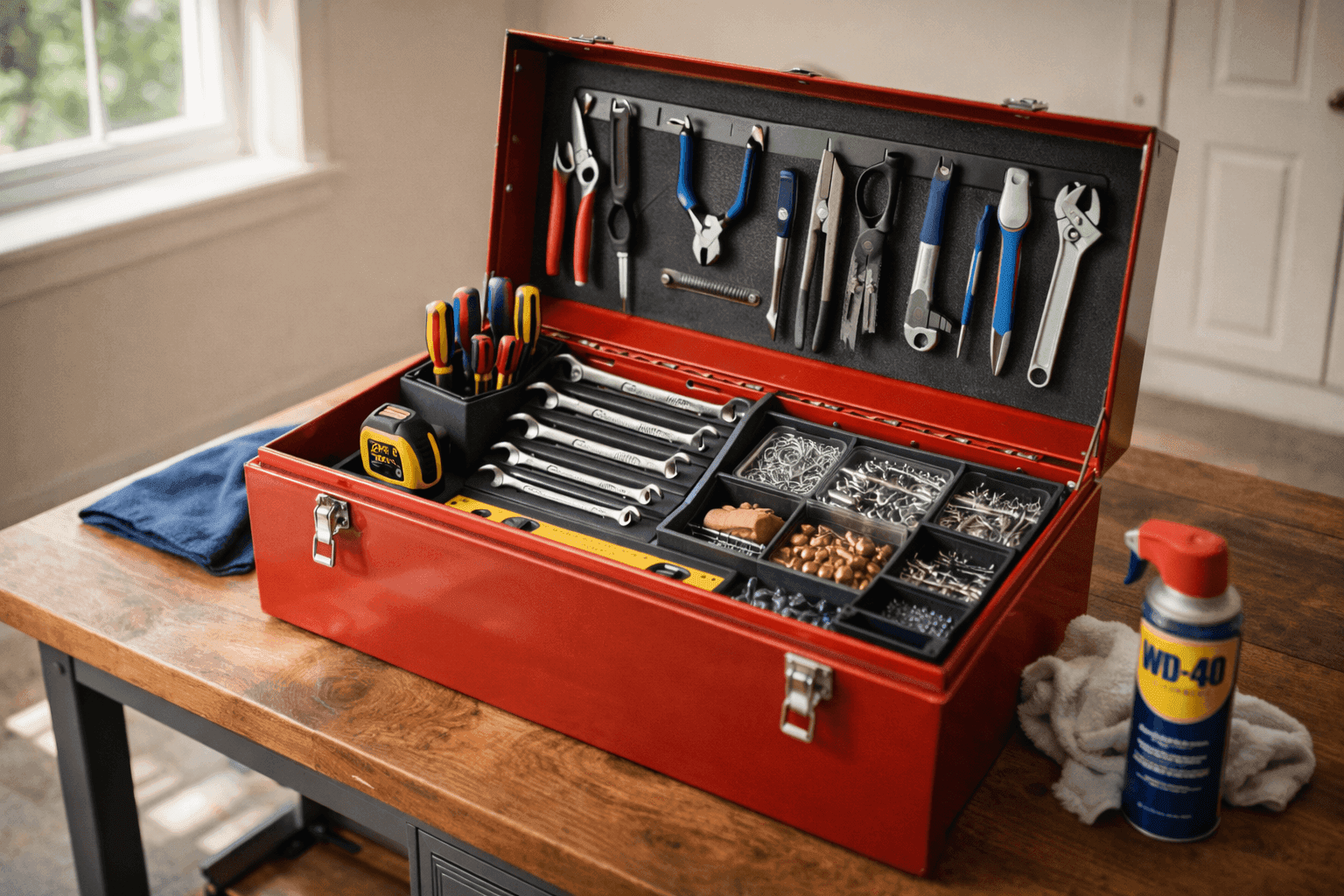
That toolbox you reach for whenever something needs fixing has probably devolved into a chaotic jumble where you can never find the right screwdriver when you need it, and you've bought three tape measures because you keep losing the ones buried at the bottom. A disorganized toolbox doesn't just waste time during projects—it actively costs you money when you buy duplicate tools you already own but can't locate, and it makes simple repairs feel frustrating before you even start working. Organizing your toolbox takes about 30 minutes and costs maybe $10 for a few organizing containers, but it transforms every future fix-it project from a scavenger hunt into a smooth process where tools are exactly where you expect them. This isn't just tidying for tidying's sake; it's creating a functional system that makes home maintenance genuinely manageable instead of the dreaded chore that you put off because finding the right tools feels harder than the actual repair.
What You'll Need
- Cleaning Supplies: WD-40, clean rags, all-purpose cleaner for toolbox interior
- Organization Containers: Small plastic bins, magnetic strips, or foam organizers ($5-10)
- Sharpening Tools: Knife sharpener or whetstone for dull blades
- Maintenance Items: Screwdriver for tightening loose handles, oil for hinges
- Labels: Label maker or permanent marker for identifying sections
- Restock Items: Fresh batteries, spare screws/nails, new utility knife blades, picture hooks ($8-12)
- Time Investment: 30-45 minutes for complete organization and cleaning
Step-by-Step Method
- Empty your entire toolbox onto a clear workspace so you can see everything you actually own and assess what stays versus what goes
- Purge broken tools, duplicates you don't need, and items rusted beyond repair—keeping junk just clutters your system and wastes valuable space
- Clean each tool with WD-40 and a rag to remove accumulated gunk, prevent rust, and make everything feel fresh and functional again
- Sharpen dull utility knife blades, scissors, and any cutting tools that aren't performing well because dull tools are dangerous and frustrating to use
- Tighten loose handles on hammers, screwdrivers, and other tools so they're safe and functional rather than wobbly accidents waiting to happen
- Sort tools by category—all screwdrivers together, wrenches grouped by size, measuring tools in one spot, fasteners organized by type
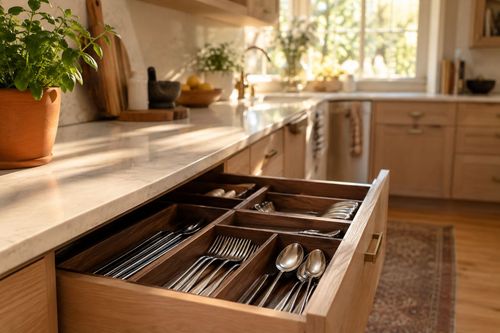
- Create designated spots using small containers, magnetic strips for metal tools, or foam organizers that hold everything securely in place
- Restock missing essentials like fresh batteries, spare picture hooks, new utility blades, and common fasteners so you're ready for any project
Professional handymen recommend organizing by frequency of use rather than just by category—put your most-used tools like screwdrivers, tape measure, and utility knife in the top layer or front section where you can grab them without digging. Less common specialty tools can live deeper in the box. Also, consider creating a "project kit" section with a small container holding picture hooks, anchors, and the specific drill bit sizes you use most often—this mini-kit makes hanging projects faster because everything you need is grouped together. Take a photo of your organized toolbox with everything in place and tape it inside the lid as a reference guide that reminds you where things belong when you're putting tools away after projects. The secret to maintaining organization isn't discipline; it's making the system so logical and easy to follow that returning tools to their spots requires less effort than just tossing them back randomly.