The Unsexy Upgrades That Cut Your Utility Bills in Half
HVAC maintenance and insulation basics every homeowner should know
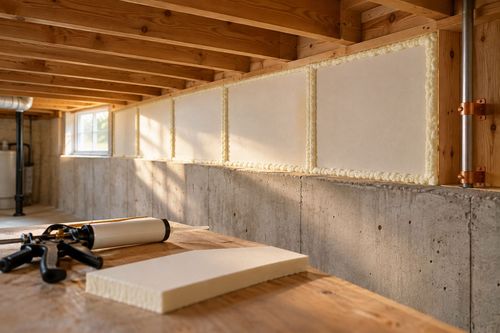
Nobody gets excited about insulation and HVAC filters. I completely understand. There's no before-and-after photo, no satisfying visual transformation, no reason to show your neighbors. But the dull truth is that these are the home improvements with some of the highest dollar returns — a dirty filter stresses your HVAC system toward early failure, and inadequate attic insulation can account for 25% of your home's total heat loss. These are the tasks that make your house run better, last longer, and cost less to operate every single month. Here's what you actually need to know.
HVAC Filters: The $15 Maintenance Task Most People Skip
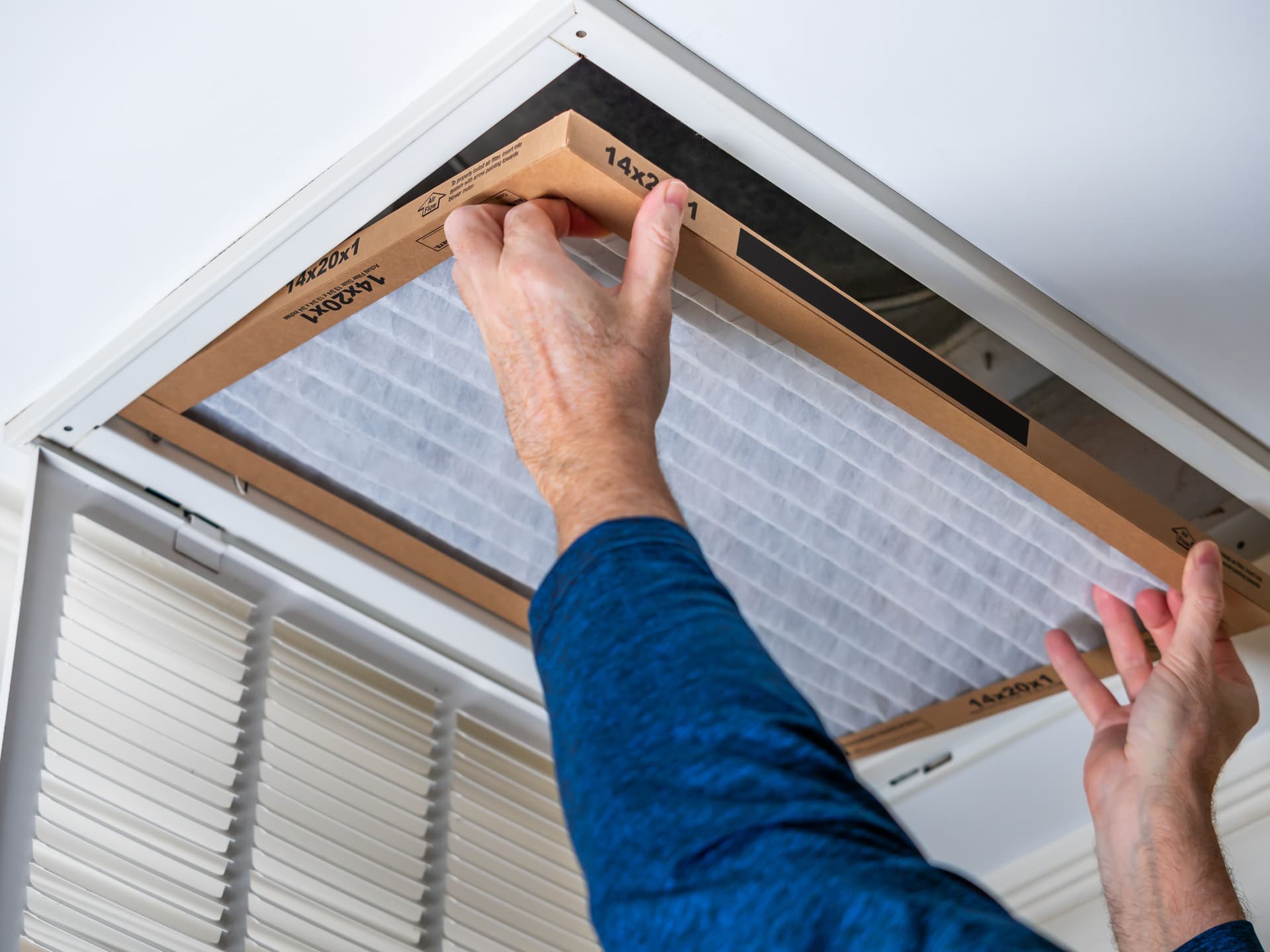
Your HVAC filter should be changed every 60–90 days under normal conditions — more frequently if you have pets, allergies, or live in a dusty area. A clogged filter forces your system to work harder to pull air through, increasing energy use and putting stress on the blower motor. It also reduces air quality throughout your home.
Write your filter size on a piece of tape and stick it to the inside of the filter compartment door so you never have to measure again. For filter ratings: MERV 8 is good for most homes (captures dust, pollen, mold spores). MERV 11–13 is better for pet owners or allergy sufferers but slightly restricts airflow, so verify your system can handle it. Avoid cheap fiberglass filters — they barely catch anything — and avoid ultra-high MERV filters unless your system specifically supports them. Set a recurring phone reminder every 60 days. That's genuinely all this task requires.
Attic Insulation: The Biggest Thermal Upgrade Most Homes Need
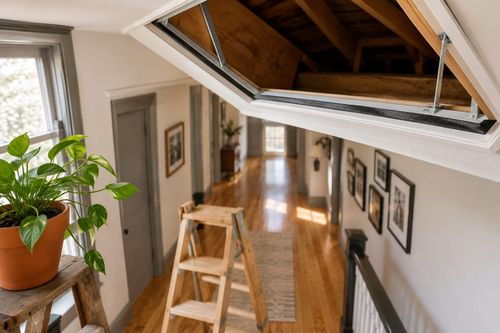
Heat rises, which means your attic floor is the most important insulation layer in the house — inadequate attic insulation essentially means your heating system is working to warm the sky. The Department of Energy recommends R-38 to R-60 for most climates (check your zone), and many older homes have R-11 to R-19 at best.
Adding blown-in insulation is a DIY-able project — big box stores will rent you a blower machine for free when you purchase a certain number of bags. The bags tell you how many to use per square foot for different R-values. Before adding insulation, seal any penetrations in the attic floor (around light fixtures, plumbing stacks, wires) with spray foam — air leaks matter more than the insulation R-value if they're left open. Wear a respirator, goggles, and long sleeves; blown cellulose and fiberglass are both itchy and unpleasant to breathe.
Duct Sealing: The Frequently Missed Energy Upgrade
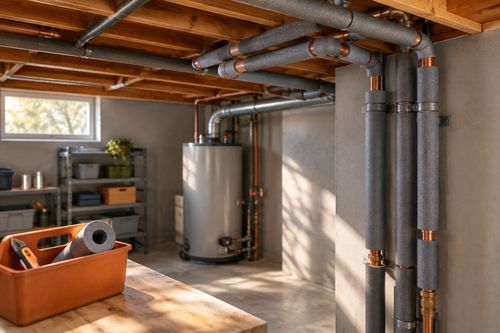
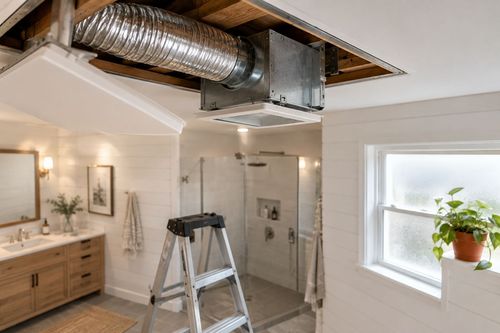
Studies consistently show that the average home loses 20–30% of its conditioned air through leaky ducts — air you paid to heat or cool escaping into unconditioned attic or crawl space before it ever reaches your living areas. Inspect accessible duct sections in the attic, basement, or crawl space for gaps at connections and joints. Seal them with mastic sealant (a paintable grey goop applied with a brush) or UL 181-rated foil tape — not regular duct tape, which fails quickly. This is not glamorous work but the energy savings are real and measurable.
Smart Thermostat Installation
A programmable or smart thermostat can reduce heating and cooling costs by 10–15% annually with virtually zero ongoing effort. Most swap directly for an existing thermostat in under 30 minutes — photograph the wiring before disconnecting anything, connect matching wire labels to the new thermostat's matching terminals, and follow the setup wizard. The one potential complication: smart thermostats often require a "C wire" (common wire) for power. If your existing system doesn't have one, most manufacturers sell adapter kits, or a C-wire can often be repurposed from the existing wiring bundle.
Schedule an annual HVAC tune-up with a professional — typically $80–$150 — and do it in spring or fall, not when your system is actually failing in August heat. A technician will clean the coils, check refrigerant levels, inspect electrical connections, and catch small problems before they become $2,000 compressor replacements. Think of it like an oil change: boring, preventive, and dramatically cheaper than the alternative. While they're there, ask them to check your duct condition and attic insulation depth — most will give you an honest assessment at no extra charge.