The Seasonal Yard Rhythm: What to Do and When to Do It
A month-by-month maintenance guide that keeps your yard looking great all year
A yard that looks great all year isn't the result of constant effort — it's the result of the right effort at the right time. Most outdoor maintenance problems are caused by doing the right task at the wrong time of year (pruning at the wrong season, fertilizing too late) or missing a small seasonal task that compounds into a larger problem. Here's the seasonal rhythm that keeps everything in good shape with minimal ongoing effort.
Spring: The Setup Season
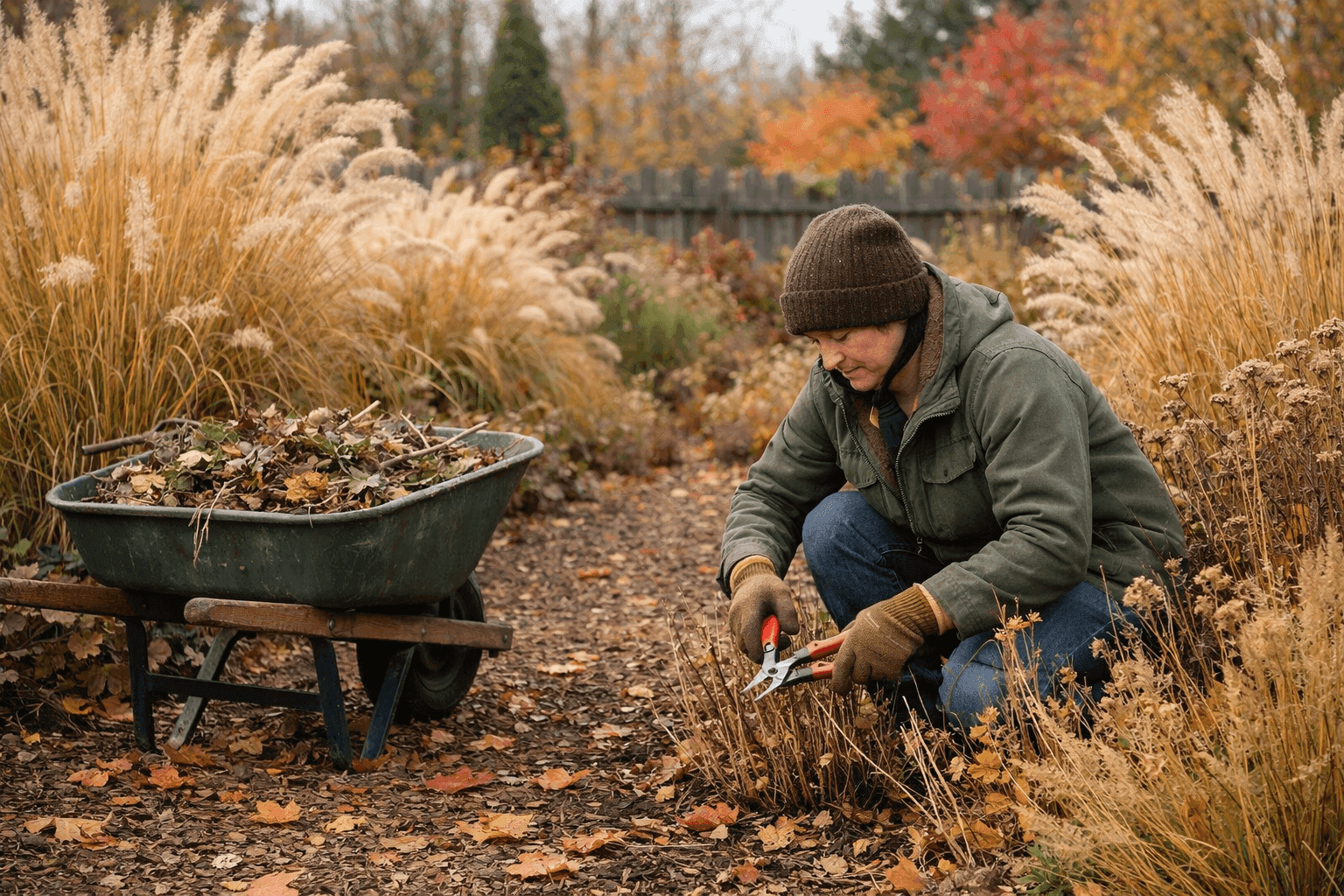
Early spring (before growth begins): Cut back ornamental grasses and late-season perennials left standing through winter. Apply pre-emergent weed preventer to lawn and beds before soil hits 55°F (when crabgrass germinates). Test soil and amend as needed. Service lawn mower — sharpen the blade, change oil and spark plug, clean the deck.
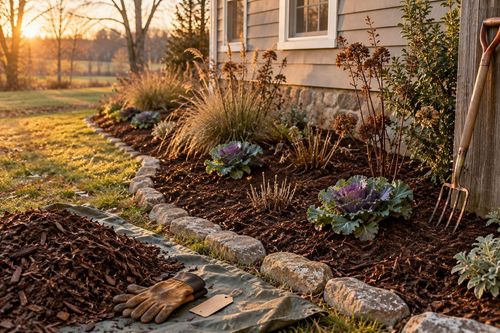
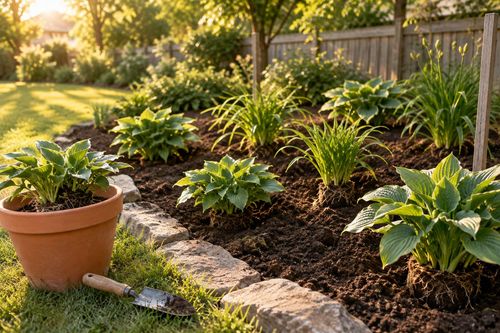
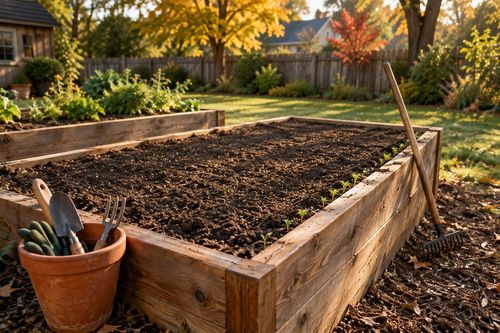
Mid-spring (after last frost): Divide overgrown perennials. Add compost to garden beds. Overseed bare lawn patches. Plant cool-season vegetables (lettuce, peas, broccoli). Apply slow-release granular fertilizer to lawn. Edge beds for a clean season-opening look and apply fresh mulch.
Summer: The Maintenance Season
Mow at the highest setting recommended for your grass type — taller grass shades soil, retains moisture, and crowds out weeds. Water deeply and infrequently; more frequent, shallow watering encourages shallow roots. Deadhead flowering perennials and annuals to extend bloom time. Monitor for pests — catch infestations early before they require chemical intervention. Harvest vegetables consistently; leaving overripe produce on plants signals the plant to stop producing. Keep beds weeded — pull when small before they establish and set seed.
Fall: The Investment Season
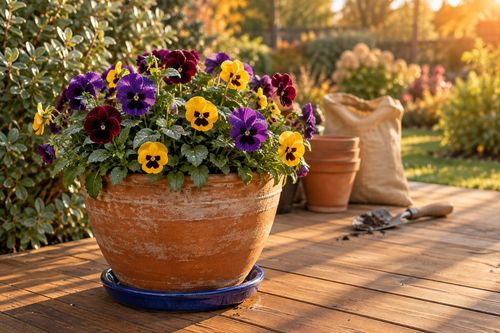
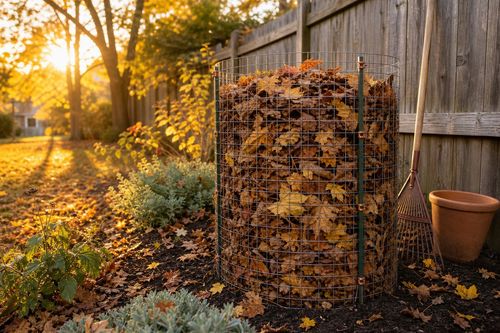
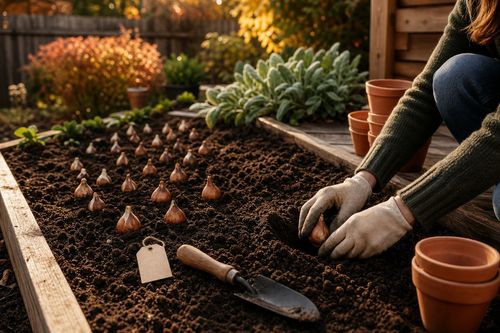
Fall is when you invest in next year. Apply fall lawn fertilizer (high in potassium, which builds cold hardiness) 6–8 weeks before first frost. Plant spring-blooming bulbs now — tulips, daffodils, crocuses go in the ground in fall. Overseed thin lawn areas; fall soil temperatures are ideal for grass seed germination. Plant trees and shrubs — fall is actually the best time, giving roots the winter to establish before the stress of summer heat. Leave some perennial seed heads standing for bird food and winter interest.
Winter: The Planning Season
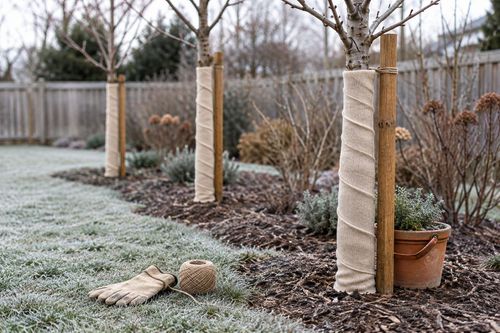
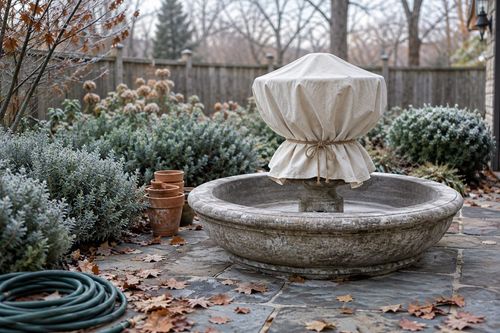
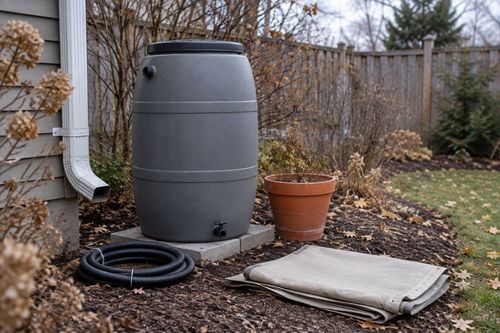
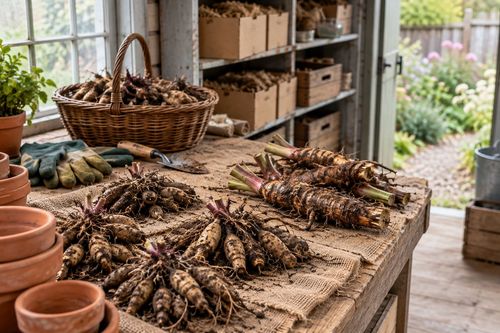
Drain and store hoses and irrigation systems before hard freeze. Protect marginally hardy plants with burlap or frost cloth in colder climates. Service tools — clean, oil, and sharpen before storing. Order seed catalogs and plan next year's vegetable garden while this year's notes are fresh. Research any plants that underperformed and identify replacements. Winter is also the right time to prune most deciduous trees and shrubs (except spring-bloomers, which should be pruned immediately after blooming).
Set four calendar reminders at the start of each year — one per season — with a brief checklist of the most time-sensitive tasks for that season. The difference between a great-looking yard and a neglected one is almost always timing: pre-emergent weed control applied two weeks late is ineffective; fall bulbs planted after the ground freezes are wasted. The tasks themselves aren't complicated — the challenge is remembering to do them at the right moment. A recurring reminder is the lowest-effort solution to the highest-impact maintenance problem.