Interior Design

Recent Content

Shoe Bench Build: The Cubby Depth That Keeps Pairs Upright

Shoe Bench Build: The Cubby Depth That Keeps Pairs Upright

Build a wooden entryway shoe bench for $35—the cubby depth is what keeps boots standing instead of toppling into a pile every morning.

Style a Layered Nightstand Vignette in 1 Hour for $35

Style a Layered Nightstand Vignette in 1 Hour for $35

Turn a cluttered nightstand into a cozy styled vignette with the height-rule trick—1 hour, $35, instant bedroom upgrade.

The Cafe Rod Trick for a Fake Built-In Vanity

The Cafe Rod Trick for a Fake Built-In Vanity

Fake a built-in bathroom vanity shelf with a tiny cafe rod and basket—zero drilling, zero suction cups, full deposit intact.

Tension Rod Shelf: The Rod Width That Won't Slip

Tension Rod Shelf: The Rod Width That Won't Slip

Build a hidden double-decker shelf under your sink for $6—the rod tension width is what keeps it from crashing down on cleaning day.

Mulch Perennial Beds for Winter in 1 Hour for $25

Mulch Perennial Beds for Winter in 1 Hour for $25

Tuck your perennials in right! A 3-inch mulch blanket now saves roots from winter heave for about $25.

logo
  • Home Improvement
  • DIY Projects
  • Interior Design
  • Gardening & Outdoor
  • Real Estate
  • Home Improvement
  • DIY Projects
  • Interior Design
  • Gardening & Outdoor
  • Real Estate
  • ​

Textile Dimension: The Art of Layering Rugs

Create depth, texture, and designer style with strategic rug combinations
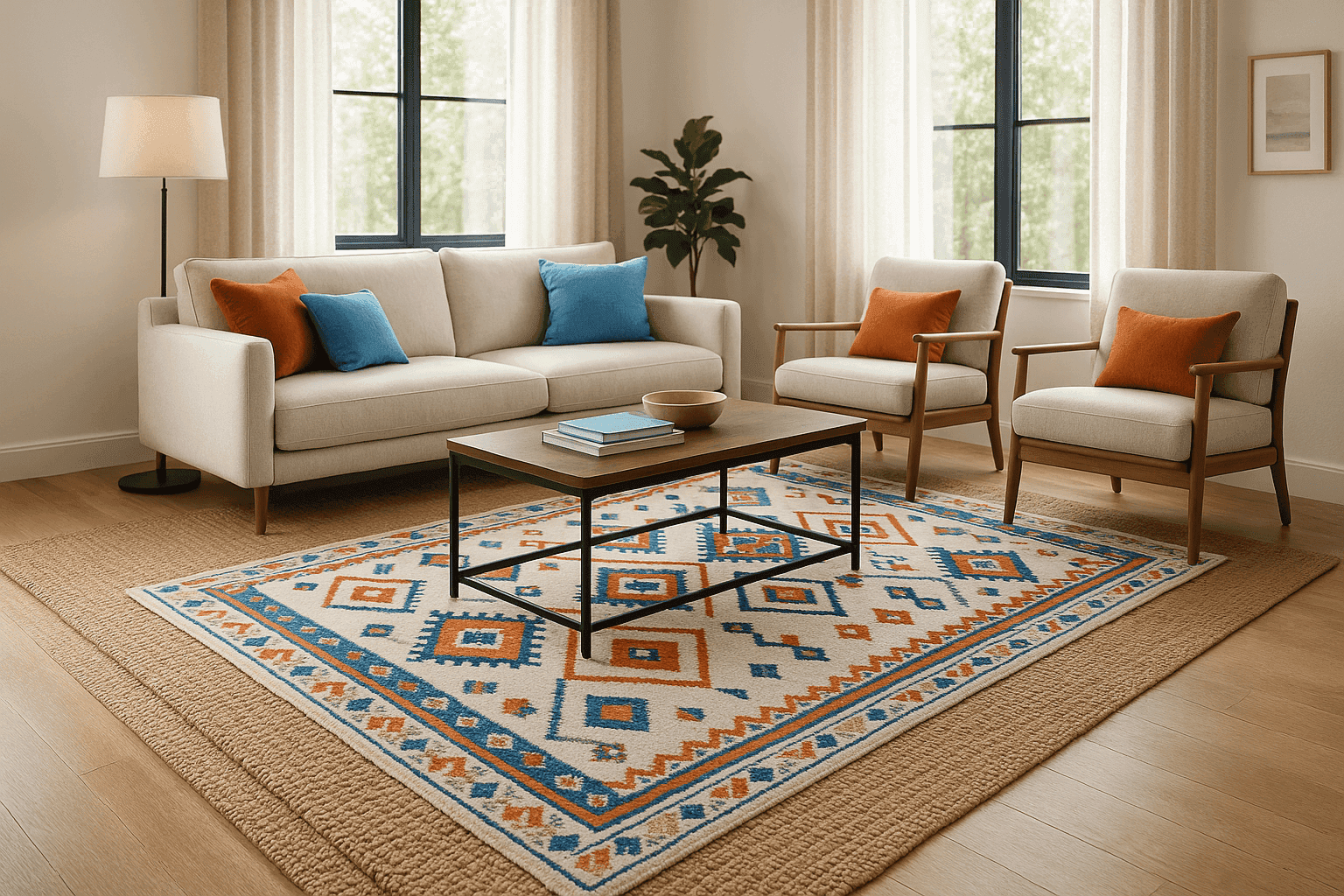
Living room with beautifully layered rugs - a patterned rug overlapping a larger neutral base rug
INTERIOR DESIGN

Layering rugs—a technique long used by interior designers—instantly adds depth, texture, and sophisticated style to any room. Beyond aesthetics, this approach allows you to incorporate bold patterns without overwhelming your space, protect high-traffic areas while showcasing unique pieces, and instantly warm up rooms with hard flooring. With some basic design principles and creative combinations, you can transform your floors into statement foundations that anchor and elevate your entire room design.

Rug Pairing Guide

Base Layer Options:
• Natural fiber rugs: Jute, sisal, seagrass, or hemp
• Solid neutrals: Cream, beige, gray, or taupe wool rugs
• Textured solids: Berbers, boucle, or striated weaves
• Oversized simple patterns: Subtle stripes or geometric designs
Top Layer Suggestions:
• Vintage/antique rugs: Persian, Turkish, or Moroccan styles
• Bold patterns: Geometric, tribal, or abstract designs
• High-texture pieces: Shag, Moroccan wedding blankets, or faux fur
• Specialty shapes: Round, oval, or irregular forms
• Colorful accents: Vibrant hues or rich jewel tones
Anchoring Elements:
• Furniture pieces: Sofas, coffee tables, dining tables
• Rug pads: Non-slip materials to prevent shifting
• Double-sided tape: For additional security on slippery floors
• Small weights: Furniture leg pads or corner weights
Maintenance Tools:
• Vacuum with adjustable height for different pile heights
• Spot cleaner for quick stain treatment
• Rug rake for fluffing high-pile rugs
• Rug brush for natural fiber maintenance

Layering Techniques

  1. Classic Overlay

    Start with a large, neutral base rug that extends beyond your furniture arrangement. Layer a smaller, more decorative rug on top, positioned centrally under the coffee table. Ensure the top rug is 1-2 feet smaller than the base on all sides.

  2. Angled Placement

    Position the top rug at a 45-degree angle to the base for dynamic visual interest. This works particularly well with geometric patterns or when you want to create a sense of movement in the space.

  3. Asymmetrical Layering

    Place your top layer off-center, perhaps extending further under a sofa or reading chair. This creates a deliberate focal point and can help define specific activity zones within a larger space.

  4. Multiple Top Layers

    For a collected, eclectic look, layer multiple smaller rugs over your base. This works beautifully with vintage kilims, hide rugs, or smaller accent pieces to define different seating areas within a large room.

  5. Wall-to-Wall Enhancement

    If you have wall-to-wall carpeting, you can still layer! Use a large area rug with a low profile over carpeting to add pattern and interest while defining living areas in open floor plans.

  6. Seasonal Rotation

    Keep a neutral base rug year-round, but switch out top layers seasonally—lighter, brighter patterns for spring/summer and richer textures for fall/winter—to refresh your space without a complete redesign.

Room-Specific Applications

  • Living rooms - Create conversation areas and add warmth
  • Dining rooms - Layer a statement rug under the table atop a larger protective base
  • Bedrooms - Place smaller rugs at the foot or sides of beds atop a larger base
  • Entryways - Use durable base with smaller, washable accent rugs for high-traffic areas
DESIGNER TIP

For the most successful layered rug look, vary textures but connect colors. Pull at least one color from your top rug into your base rug or vice versa to create cohesion. When mixing patterns, vary the scale significantly—pair a large-scale pattern with a small-scale or textural piece to avoid competition. For rooms with unique layouts, consider custom-cutting an inexpensive base rug (like FLOR tiles or bound carpet) to perfectly fit your space, then layer special pieces on top. Finally, if you're hesitant about bold patterns or colors, start with a neutral-on-neutral approach, using different textures and pile heights to create subtle dimension before graduating to more dramatic combinations.
Related Content

Interior Design

04 November 2026

Post

Style a Layered Nightstand Vignette in 1 Hour for $35

Turn a cluttered nightstand into a cozy styled vignette with the height-rule trick—1 hour, $35, instant bedroom upgrade....

Interior Design

02 November 2026

Post

Vinyl Record Clock: The Center Hole Size That Matters

Turn a scratched vinyl record into a working wall clock—the center hole size is what keeps the mechanism snug instead of wobbling off-center. Under $15....

Interior Design

26 October 2026

Post

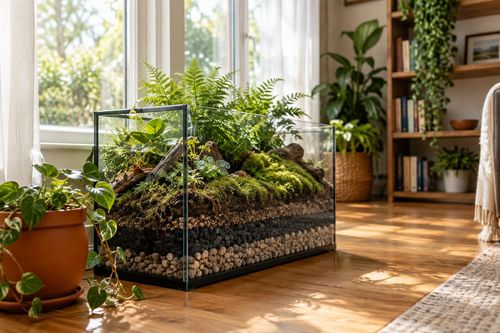
Fish Tank Terrarium: The Drainage Layer That Saves It

Turn a leaky old fish tank into a stunning terrarium—the gravel drainage layer is what stops root rot before your plants ever get a chance....

Interior Design

24 October 2026

Post

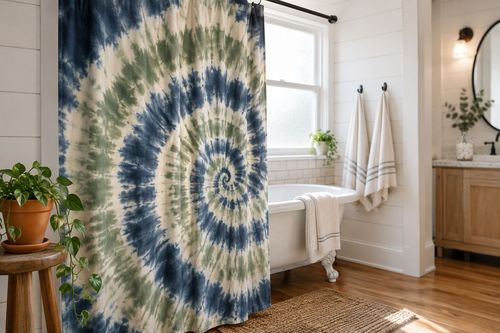
Tie-Dye Shower Curtain: The Fold That Makes Spirals

Turn a plain $8 shower curtain into a wild tie-dye spiral—the fold-and-twist technique is what makes the pattern radiate instead of blotch....

Interior Design

21 October 2026

Post

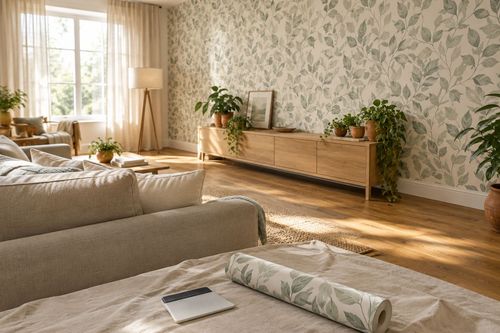
Peel-and-Stick Wallpaper Accent Wall in 3 Hours for $60

Turn one blank wall into a showstopper with peel-and-stick wallpaper—no wet paste, no mess, just a sharp accent wall by dinnertime....

Interior Design

19 October 2026

Post

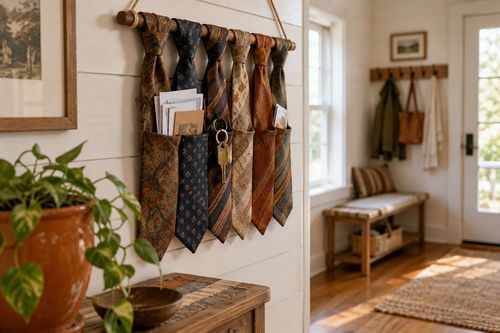
Necktie Wall Organizer: The Knot Spacing That Holds

Turn old neckties into a boho wall organizer for keys and mail—even knot spacing is what keeps the pockets from sagging open. Under $10....

Interior Design

17 October 2026

Post

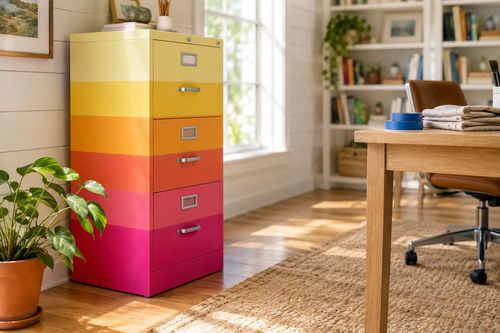
Neon Ombré File Cabinet: The Tape Order That Prevents Bleed

Turn a beige metal file cabinet into a neon ombré showstopper—the tape-layering order is what keeps colors crisp instead of muddy. Under $25....

Interior Design

15 October 2026

Post

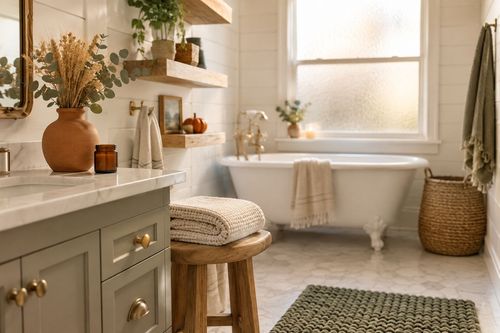
Style a Cozy Fall Guest Bathroom Refresh in 2 Hours for $35

Turn a sterile guest bath into a warm fall retreat with layered textiles and scent—2 hours, $35, zero renovation required....

Interior Design

13 October 2026

Post

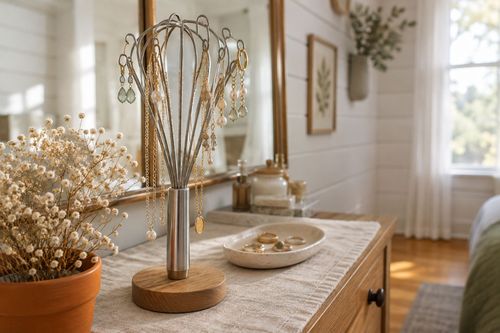
Whisk Jewelry Holder: The Bend That Stops Sagging

Turn a $1 dollar-store whisk into a boutique earring holder—the wire bend angle is what stops it from drooping under real jewelry weight....

Interior Design

12 October 2026

Post

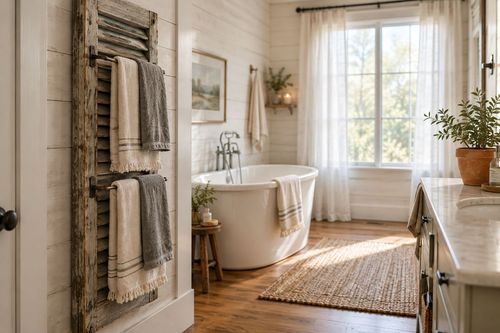
Shutter Towel Rack: The Anchor Screw That Won't Rip Out

Turn a salvaged wood shutter into a bathroom towel rack—the stud anchor is what stops it ripping out under soaked towels....

Interior Design

11 October 2026

Post

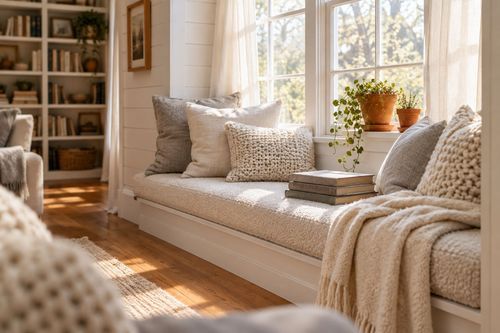
Style a Cozy Window Seat Nook in 2 Hours for $45

Turn a bare window seat into a cozy fall reading nook with the right cushion layering trick—2 hours, $45, instant curl-up energy....

Interior Design

10 October 2026

Post

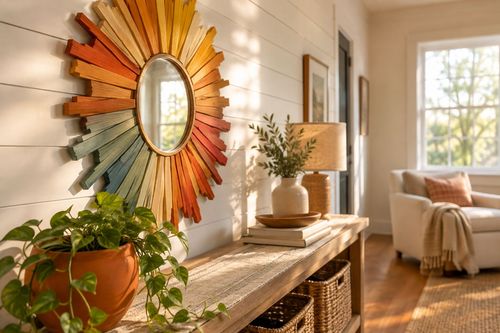
Sunburst Mirror: The Ray Overlap That Hides Gaps

Paint a bold rainbow sunburst mirror for $25—overlapping each ray's base is the trick that hides gaps and makes it look store-bought....

Interior Design

07 October 2026

Post

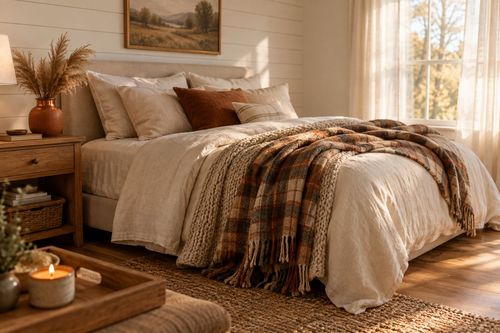
Style a Cozy Fall Bedroom Refresh in 2 Hours for $50

Layer flannel, wool, and warm light the right way and your bedroom finally feels like fall — 2 hours, $50, zero renovation....

Interior Design

03 October 2026

Post

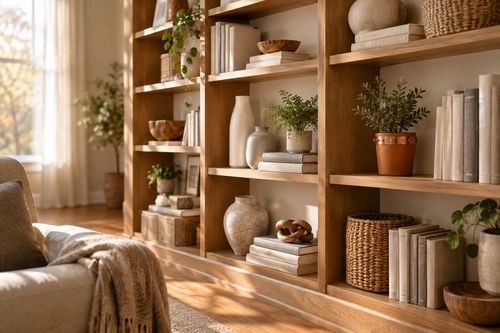
Style a Fall Bookshelf Refresh in 2 Hours for $40

Turn a cluttered bookshelf into a magazine-worthy fall vignette using the triangle rule and warm accents—2 hours, $40, zero carpentry....

Interior Design

03 October 2026

Post

Gold Leaf Frame: The Size Overlap That Prevents Cracks

Turn a plain thrift mirror into a bold gold-leaf statement piece—overlapping each sheet correctly is what stops the finish from cracking and flaking later....
Terms and ConditionsDo Not Sell or Share My Personal InformationPrivacy PolicyPrivacy NoticeAccessibility NoticeUnsubscribe
Copyright © 2026 DIY HomeBoost