Sweater Weather Decor: Transform Old Knits into Cozy Pillows
Give favorite sweaters a second life as textured throw pillows that beg to be snuggled
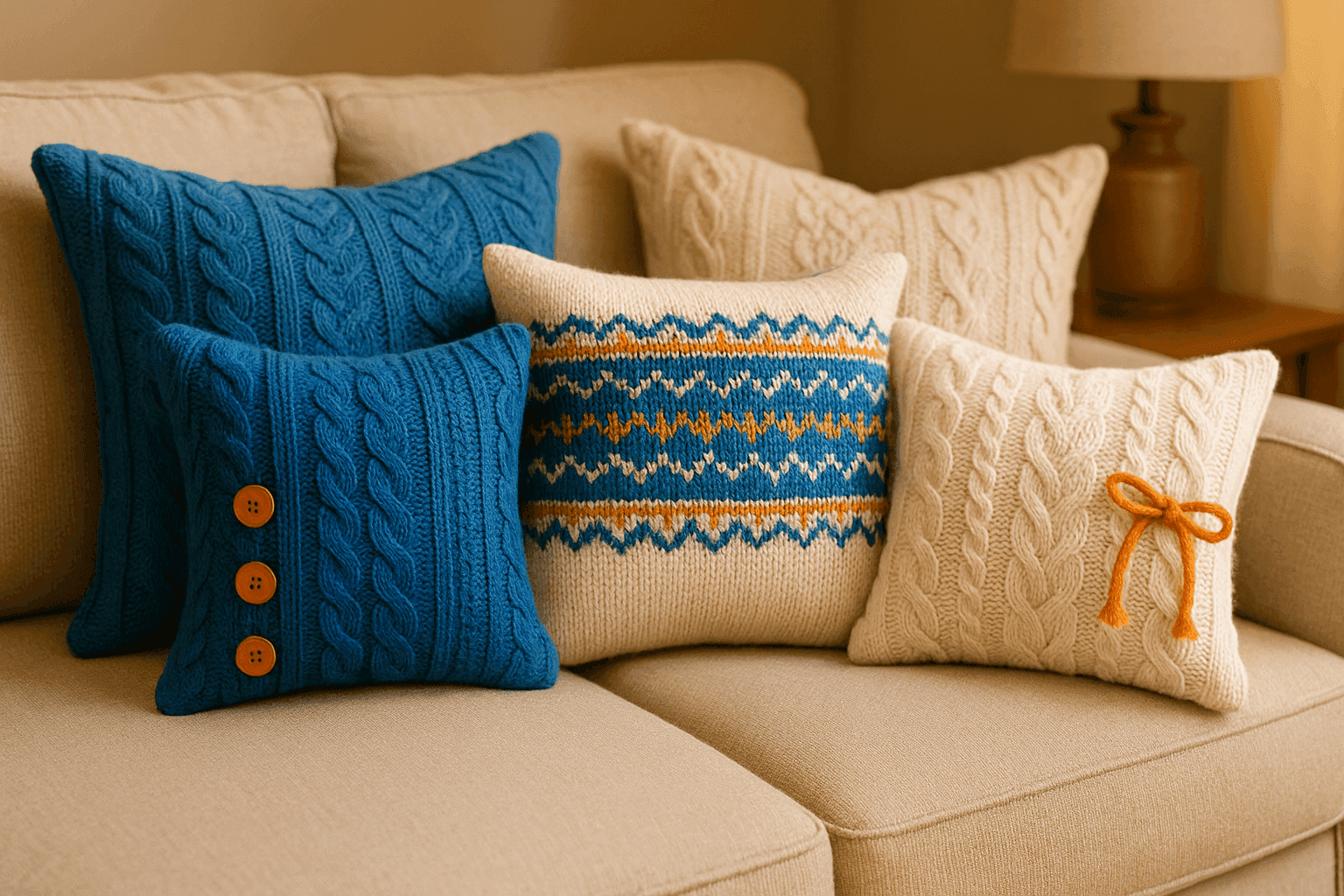
I'll never forget the day I accidentally shrunk my favorite cashmere sweater in the wash – I was heartbroken until I realized it was the perfect size for a throw pillow! What started as a laundry disaster became my most beloved home decor project, and now I actually get excited when sweaters get too small or develop holes because I know they're about to become something even more wonderful. There's something so satisfying about giving a cherished piece of clothing a second life where you can still enjoy its texture and memories every day. The best part about this project is how incredibly easy it is – if you can slip a pillowcase onto a pillow, you can absolutely master this technique. Plus, the instant coziness factor these textured pillows add to any room is pure magic!
Materials & Tools
- Source Sweaters: Old, shrunken, or damaged knit sweaters in various textures (raid your closet!)
- Pillow Inserts: 16" or 18" square pillow forms to fit inside sweater bodies ($8-15 each)
- Sewing Supplies: Matching thread, hand-sewing needles, or sewing machine ($10-15)
- Cutting Tools: Sharp fabric scissors, seam ripper if needed ($15-20)
- Measuring Tools: Measuring tape, pins for marking placement ($5-10)
- Optional Extras: Decorative buttons, contrasting thread for visible stitching ($5-15)
- Total Cost: Nearly free using materials you already have, plus pillow inserts
Simple Transformation
- Choose sweaters with interesting textures – cable knits, Fair Isle patterns, or chunky weaves work beautifully
- Measure your pillow insert and determine how much of the sweater body you'll need
- Cut sweater body to size, leaving extra fabric for seam allowances and pillow fullness
- Insert pillow form into the sweater body, centering any decorative patterns or designs
- Gather excess fabric at the back, creating a neat closure that won't show from the front
- Stitch opening closed by hand or machine, ensuring secure seams that won't pop open
- Adjust pillow positioning and fluff to achieve desired shape and fullness
- Style your new sweater pillows with complementary textures and colors for maximum coziness
Interior stylists know that the secret to professional-looking sweater pillows is all about proportion and placement. Use the sweater's existing design elements strategically – position cable knits to run vertically down the pillow front, or center Fair Isle patterns for maximum impact. Here's my favorite designer trick: create a "sweater pillow family" using different textures in the same color palette, or mix various shades of one color family for sophisticated depth. Pro tip: save interesting details like button bands or pocket flaps to use as closure elements on the back – they add authentic charm and make your pillows look intentionally crafted rather than repurposed!