Sweater Revival: Turn Worn Knits Into Textured Throw Pillows
Give beloved sweaters second lives as cozy home décor
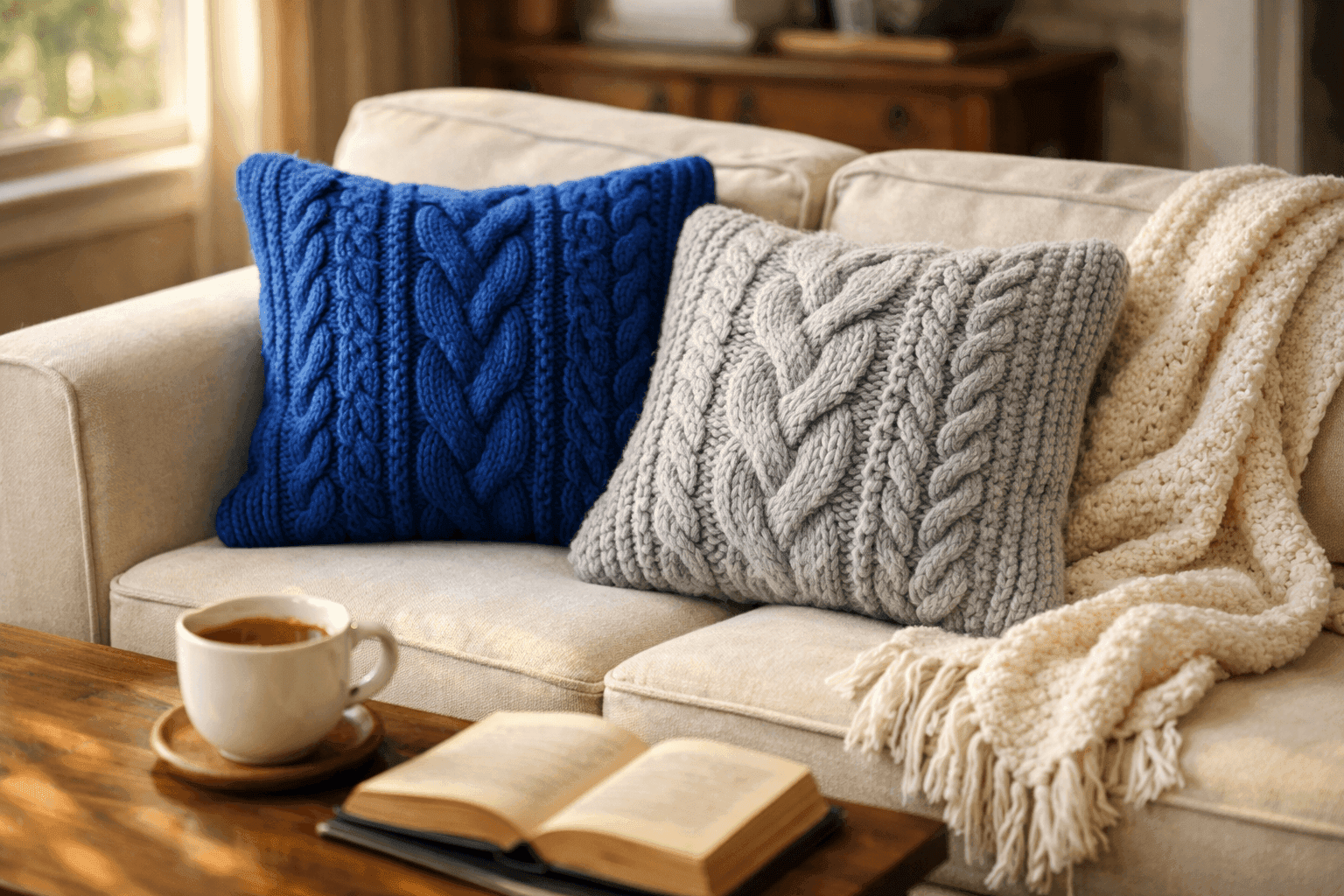
That favorite sweater that shrank in the wash, developed an unfortunate stain, or simply wore thin in spots doesn't have to end its life in the donation bag or trash—it can transform into cozy throw pillow covers that bring texture, warmth, and sentimental value to your living spaces. While trendy cable-knit pillows at home stores cost $30-50 each for mass-produced versions lacking personality, your worn sweaters already have the perfect textures, patterns, and colors that attracted you originally, just waiting to serve a new purpose. This upcycling project requires minimal sewing skills—straight seams and basic hand-stitching are sufficient even for complete beginners—and transforms materials you already own into functional home décor that adds instant coziness to sofas and beds, especially during colder months when chunky knits create that hygge atmosphere everyone craves. Each sweater typically yields 1-2 pillow covers depending on size, meaning that closet full of sweaters you can't wear but can't bear to discard becomes a treasure trove of free decorating materials. Even if you're shopping specifically for this project, thrift store sweaters cost $2-3 versus $30+ for finished knit pillows, making this one of those rare craft projects where homemade genuinely beats store-bought both financially and sentimentally.
What You'll Need
- Sweater Materials (free or $2-3):
- Worn, shrunken, or stained sweaters from your closet
- Look for cable knits, interesting patterns, soft textures
- Thrift store sweaters work perfectly for this project
- One sweater makes 1-2 covers depending on size
- Pillow Foundations ($8-12):
- Pillow forms or inserts in desired sizes (18x18" common)
- Can reuse inserts from old pillows
- Square shapes work best with sweater dimensions
- Sewing Supplies:
- Fabric scissors or sharp shears
- Straight pins for holding pieces
- Needle and thread matching sweater color
- Sewing machine (optional but faster)
- Optional Enhancements:
- Zipper for removable covers
- Decorative buttons from the sweater
- Contrasting thread for visible stitching detail
Create Your Covers
- Select sweaters with interesting visual or textural elements—cable knits, fair isle patterns, ombre effects, or unique colors that complement your existing décor rather than clash with furniture you're trying to enhance.
- Turn the sweater inside-out and lay it flat on your work surface, smoothing out wrinkles and positioning it so seams align properly—this preparation prevents lopsided pillows that look obviously homemade in unflattering ways.
- Place your pillow form on top of the sweater, centering it strategically to capture the best pattern placement or position decorative elements like ribbed hems or cuffs where they'll show beautifully on the finished cover.
- Cut around the pillow form leaving 1-inch seam allowance on all sides, creating front and back pieces—one sweater typically provides both pieces you need, making this wonderfully economical use of materials you might otherwise discard.
- Pin the front and back pieces right sides together, ensuring patterns align if working with directional designs and edges match evenly—proper pinning prevents shifting during sewing that creates uneven seams requiring frustrating do-overs.
- Sew three sides using a sewing machine with stretch stitch or hand-stitch with small, tight stitches, leaving one side completely open for inserting the pillow form—knit fabrics can be forgiving, but secure seams prevent eventual unraveling.
- Turn the sewn cover right-side out, gently pushing corners fully outward with a pencil eraser or chopstick for crisp edges, then insert your pillow form, fluffing and adjusting until it fills the cover completely without lumps.
- Close the opening with invisible hand-stitching using a ladder stitch, or install a zipper if you want removable covers for washing—finished pillows add instant warmth and texture that transforms cold spaces into cozy sanctuaries.
Interior designers maximize the charm of sweater pillows by strategically positioning existing sweater details—use the ribbed hem as a decorative border along one edge, incorporate button plackets as central design elements, or showcase cable knit patterns by centering them on pillow fronts. For cohesive collections, create multiple pillows from sweaters in coordinating colors or complementary patterns rather than random unrelated knits that fight for attention. If the sweater has sentimental value, preserve labels or unique details like embroidered initials by incorporating them visibly into your design—these personal touches make pillows conversation pieces that tell stories rather than generic décor. Mix sweater pillows with other textures like velvet, linen, or faux fur for sophisticated layering that feels intentionally curated rather than accidentally crafty. The beauty of knit fabric is it doesn't fray when cut, making this project genuinely forgiving for beginners nervous about sewing—even slightly imperfect seams hide beautifully within the sweater's existing texture. For truly ambitious makers, combine sweater fronts with linen or canvas backs for easier zipper installation and washing, creating hybrid pillows that marry cozy fronts with practical backs designed for maintenance.