Stop Heat Loss by Sealing Fireplace Gaps Before Winter
Check dampers and seal drafts with fire-rated caulk to prevent costly heat escape
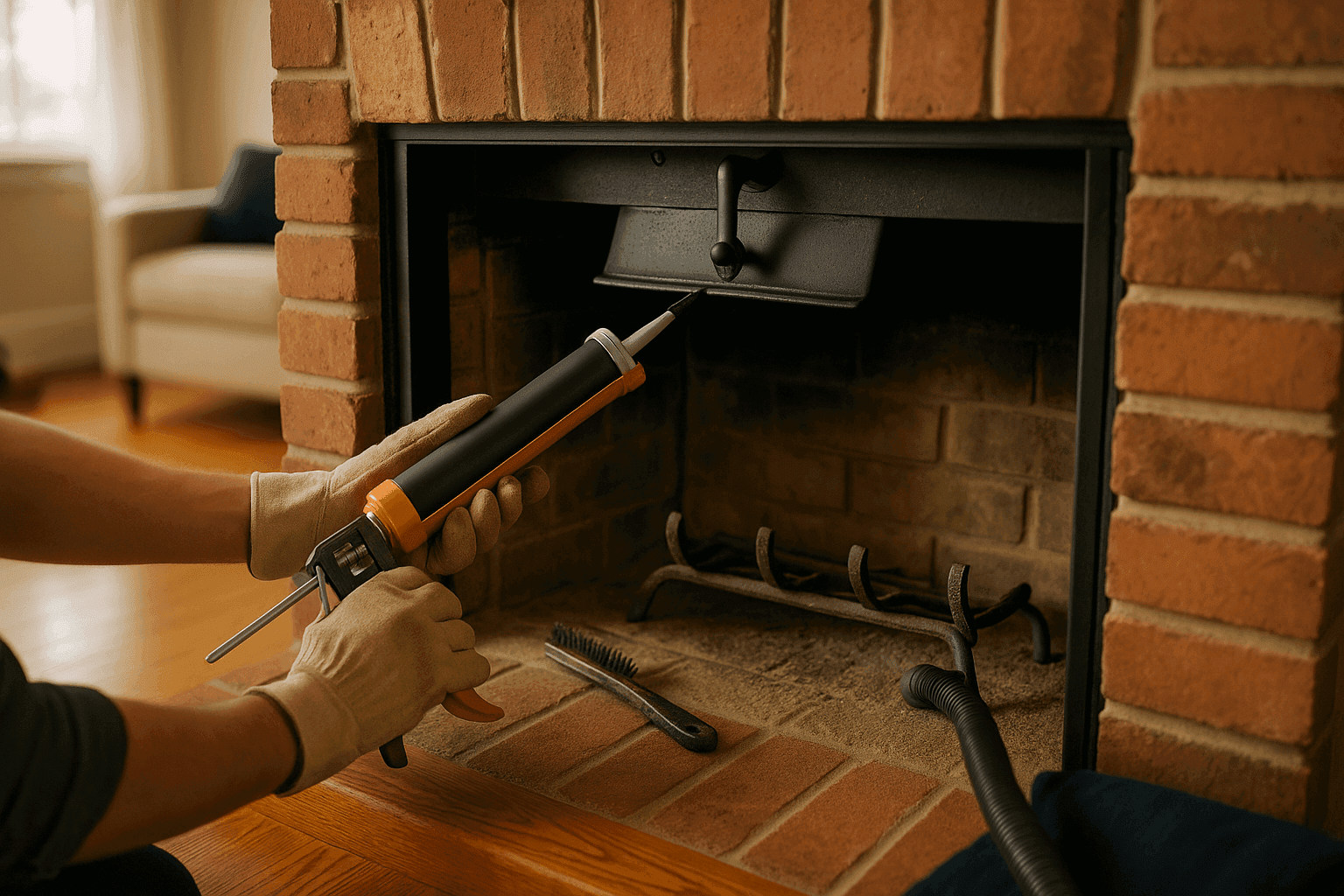
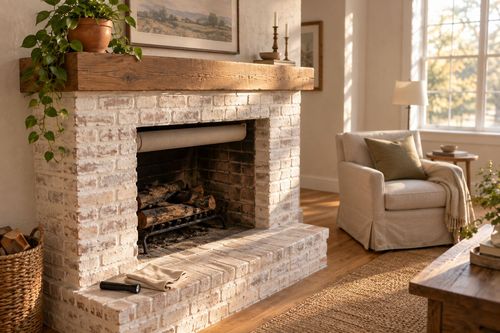
Even when your fireplace isn't actively being used, gaps around the damper and firebox can turn your chimney into a massive air leak that sends expensive heated air straight up and out of your house while pulling cold outside air in through every available crack. This hidden energy drain can increase heating costs by 15-30% in homes with fireplaces, yet most homeowners never think to check for these gaps or realize that simple sealing can dramatically improve comfort and efficiency. The task of inspecting and sealing fireplace gaps takes about an hour, costs under $20 in fire-rated caulk and weatherstripping materials, and delivers immediate benefits you'll feel as soon as temperatures drop and you're no longer fighting that constant cold draft emanating from your fireplace. What makes this maintenance so critical is the fire safety component—you cannot use regular caulk or foam sealants around fireplaces because they'll melt, ignite, or release toxic fumes when exposed to heat, so understanding where and how to apply proper fire-rated materials protects both your energy bills and your family's safety. The timing is perfect right now in late fall before you start using your fireplace regularly, because you want to complete this sealing work when the firebox is clean and completely cool, allowing proper curing time before the first fire of the season. You're not just saving money on heating bills, you're creating a properly functioning fireplace system that contains fire safely while preventing the chimney effect that turns your home into an expensive air circulation system benefiting no one except your utility company.
Sealing Supplies
- Fire-Rated Sealants:
- High-temperature silicone caulk rated to 500°F+ ($8-12 per tube)
- Fireplace mortar for larger gaps ($10-15)
- Refractory cement for firebox repairs ($12-18)
- NEVER use regular caulk, foam, or standard weatherstripping
- Damper Sealing Options:
- Chimney balloon or inflatable plug ($30-50, reusable)
- Fireplace draft stopper pillow ($15-25)
- Magnetic fireplace vent cover ($20-35)
- Rope caulk for temporary seasonal sealing ($5-8)
- Inspection Tools:
- Flashlight or headlamp for viewing up chimney
- Mirror to see damper mechanism
- Incense stick or lighter to detect drafts
- Wire brush for cleaning surfaces before sealing
- Application Tools:
- Caulk gun for tube application
- Putty knife or scraper for mortar
- Disposable gloves to protect hands
- Rags for cleanup and smoothing
- Vacuum for removing loose debris
Sealing Process
- Inspect the Damper: Open your fireplace damper completely and use a flashlight to examine its condition, checking for rust, warping, or gaps that prevent it from closing tightly—a properly functioning damper should seal flush when closed with no visible light or drafts coming through from the chimney above.
- Test for Drafts: Close the damper completely, then hold a lit incense stick or candle near the fireplace opening and around the damper edges, watching for smoke movement that indicates air leaks—this smoke test reveals exactly where cold air is infiltrating even when the damper appears closed properly.
- Clean All Surfaces: Remove any soot, creosote, or loose debris from areas you'll be sealing using a wire brush and vacuum, because fire-rated caulk and mortar require clean surfaces for proper adhesion—sealing over dirt or soot creates temporary fixes that fail within weeks rather than lasting solutions.
- Seal Firebox Gaps: Apply high-temperature silicone caulk to any gaps between the firebox and surrounding masonry, smoothing with a damp rag for neat appearance—these gaps often appear where the metal firebox meets brick or stone and represent major air leak points that compromise efficiency significantly.
- Repair Damaged Mortar: If you find cracked or missing mortar between bricks in the firebox or chimney throat, mix fireplace mortar according to package directions and trowel it into gaps, smoothing flush with surrounding surfaces—deteriorated mortar allows both air leaks and potential fire hazards as flames can reach combustible materials behind masonry.
- Address Damper Issues: If your damper doesn't seal properly due to warping or damage, consider installing a chimney balloon inflatable plug or magnetic vent cover that creates an airtight seal when fireplace isn't in use—these removable solutions work far better than trying to repair a fundamentally damaged damper mechanism.
- Seal Glass Door Gaps: For fireplaces with glass doors, check the gasket seal around door edges and replace if compressed, torn, or missing, then apply fire-rated caulk to any gaps where the door frame meets the fireplace opening—properly sealed doors create a double barrier against heat loss when combined with closed damper.
- Allow Proper Curing: Let all sealants cure completely per manufacturer instructions (typically 24-48 hours) before using your fireplace, ensuring materials reach full strength and heat resistance—rushing to build a fire before curing completes can cause seal failure and release harmful fumes from incompletely cured materials.
Professional chimney sweeps emphasize that the most overlooked heat loss point isn't around the damper but actually at the top of the chimney where the flue meets the cap. During your pre-winter fireplace inspection, invest $100-200 in having a certified chimney sweep perform a comprehensive inspection that checks not just your damper and firebox seals but also examines the chimney cap, crown, flashing, and liner for damage that creates air leaks or safety hazards you can't see from inside your home. This professional assessment often reveals problems like missing chimney caps that allow rain and animals inside, cracked crowns that let water infiltrate and freeze causing serious structural damage, or deteriorated flashing that compromises roof waterproofing—issues that cost thousands to repair if caught late but hundreds if addressed early. For homes where the fireplace is rarely or never used, consider the ultimate sealing solution of installing a permanent chimney cap damper at the top of the flue rather than relying on the throat damper inside your firebox. These top-sealing dampers create an airtight seal at the chimney's termination point, completely eliminating the stack effect while also keeping out rain, snow, animals, and debris year-round. The initial investment of $300-500 installed pays for itself within 2-3 years through energy savings while providing far superior protection compared to traditional throat dampers that warp and deteriorate over time. The maintenance schedule that prevents these problems from recurring is conducting this fireplace sealing inspection annually every October, scheduling professional chimney cleaning and inspection every 2-3 years (or annually if you burn wood frequently), and immediately addressing any cracks, gaps, or damage rather than waiting until they worsen into expensive structural problems requiring major masonry work instead of simple caulking and minor repairs.