Stealthy Steps: Silence Squeaky Floors Before Guests Arrive
Simple fixes that end the embarrassment of announcing every midnight move
Nothing announces your 2 AM trip to the kitchen for leftover pie quite like that telltale floor squeak that wakes everyone in the house and advertises your midnight snacking to guests trying to sleep in the room above. Those embarrassing squeaks aren't just annoying—they're actually your floors telling you that wood boards are rubbing against each other or against nails as weight shifts, creating friction that produces those distinctive creaks. Fixing squeaky floors before holiday guests arrive takes just 15-30 minutes per problem area, costs under $15 for supplies, and transforms you from the person who broadcasts every bathroom trip into someone who can move through their home like a silent ninja. The beauty of these fixes is their simplicity—most squeaks respond to basic solutions like lubricating powder between boards, strategic screws that pull loose subfloor tight, or construction adhesive that stops movement at the source. Whether you're dealing with exposed hardwood, wall-to-wall carpet, or accessible basement ceilings that let you work from below, there's a straightforward fix that doesn't require ripping up floors or calling expensive contractors.
What You'll Need
- For Hardwood Floors:
- Talcum powder or powdered graphite ($3-5)
- Soft-bristled brush for working powder in
- Vacuum for cleanup
- Finishing nails if powder doesn't work ($3-4)
- For Carpeted Floors:
- Trim screws, 2.5-3 inches long ($4-6)
- Drill with appropriate bit
- Stud finder to locate joists ($10-20 or borrow)
- Screwdriver or drill driver bit
- For Below-Floor Access:
- Construction adhesive ($5-8)
- Caulking gun
- Wood shims for large gaps ($3-5)
- Helper to walk on squeaks from above
- Detection Tools:
- Masking tape to mark squeak locations
- Patience to find exact problem spots
- Another person to help locate squeaks (helpful)
Fixing Methods
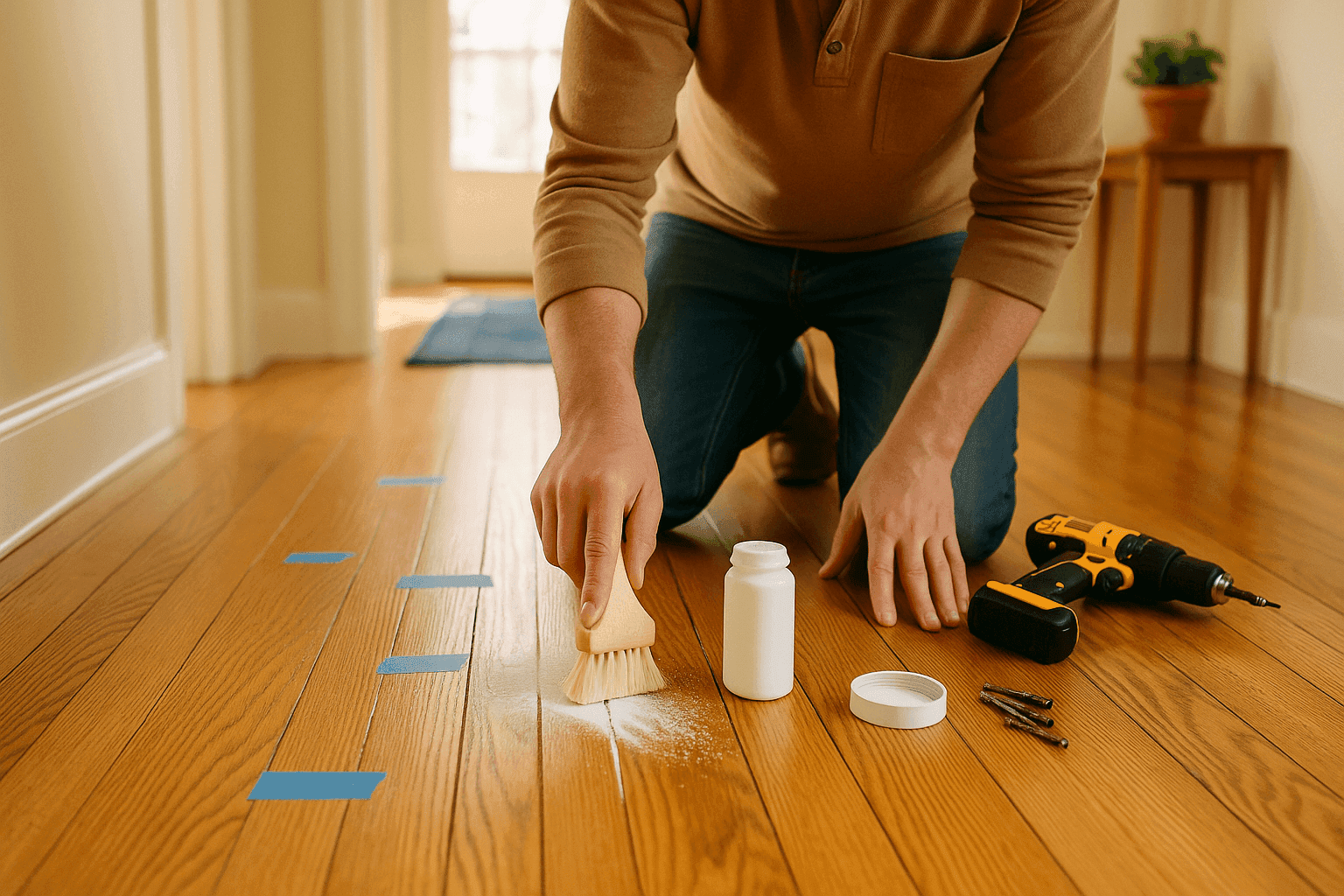
- Locate every squeak by walking slowly across floors, marking each problem spot with masking tape so you don't lose track of exactly where the noise originates when you're kneeling down with supplies.
- Test if squeaks occur when stepping in slightly different positions near the mark—finding the precise point of maximum squeak ensures your fix targets the actual problem rather than an adjacent area.
- Apply talcum powder or powdered graphite liberally into cracks between hardwood boards at squeak locations, using a soft brush to work the lubricant deep into gaps where it reduces wood-on-wood friction.
- Walk on the treated area multiple times to work powder deeper and test if the squeak has disappeared—if it persists after powder treatment, the problem likely requires mechanical fastening instead of lubrication.
- Drive trim screws through carpet into subfloor and joists beneath for carpeted squeaks, using a stud finder to locate solid joist positions and ensuring screws are long enough to pull loose subfloor tight against the structure below.
- Angle screws slightly when driving them to increase holding power and reduce chances of hitting the same wood grain that may have caused original nail movement, creating a more secure connection than the original fasteners.
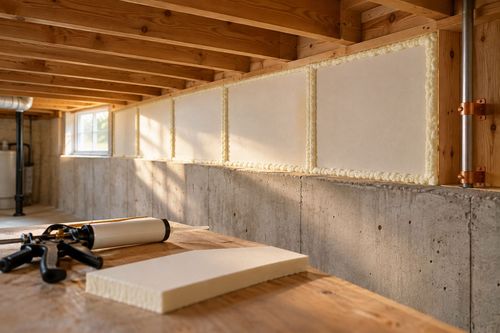
- Access from below if you have an unfinished basement or crawlspace, having someone walk on squeaky spots above while you observe exactly where subfloor separates from joists, then apply construction adhesive or insert shims.
- Apply construction adhesive between separated subfloor and joists, working it into gaps with a putty knife or applicator, then secure with screws driven from below while adhesive is still wet for maximum bond strength.
- Verify repairs by testing each location thoroughly before declaring victory—walk across spots multiple times, at different speeds and weights, ensuring squeaks are completely eliminated before guests arrive and test them inadvertently.
Professional floor installers know that squeaks often worsen in winter when heating systems dry out wood, causing boards to shrink slightly and create more movement—this means early December is actually the perfect time to tackle these repairs before guests arrive and conditions worsen. For hardwood floors where powder doesn't work, consider the "nail set" technique: drive finishing nails at 45-degree angles through floorboards into subfloor, then countersink nail heads and fill holes with color-matched wood putty for invisible repairs. When fixing carpeted floors with screws, the carpet pile naturally conceals screw heads, but positioning screws right at the base of tuft clusters makes them virtually undetectable even in short-pile carpet. If you're accessing from below and find large gaps between subfloor and joists (more than 1/4 inch), use wood shims coated with construction adhesive rather than adhesive alone, which provides immediate support while the glue cures. The most commonly missed squeaks are in hallways and staircases because we walk on them constantly and our brains tune out the noise—but guests notice immediately, so pay special attention to these high-traffic transition areas. For really stubborn squeaks that don't respond to surface treatments or screws, specialized products like "Squeeeeek No More" kits provide scored screws that snap off below the floor surface, leaving no visible hardware while pulling subfloor tight—these $20 kits are worth the investment for problems in highly visible hardwood areas where you don't want to see repairs.