Spring Revival: How to Create a Perfect Pastel Accent Wall
Transform your space with a soft wash of color that brightens and refreshes
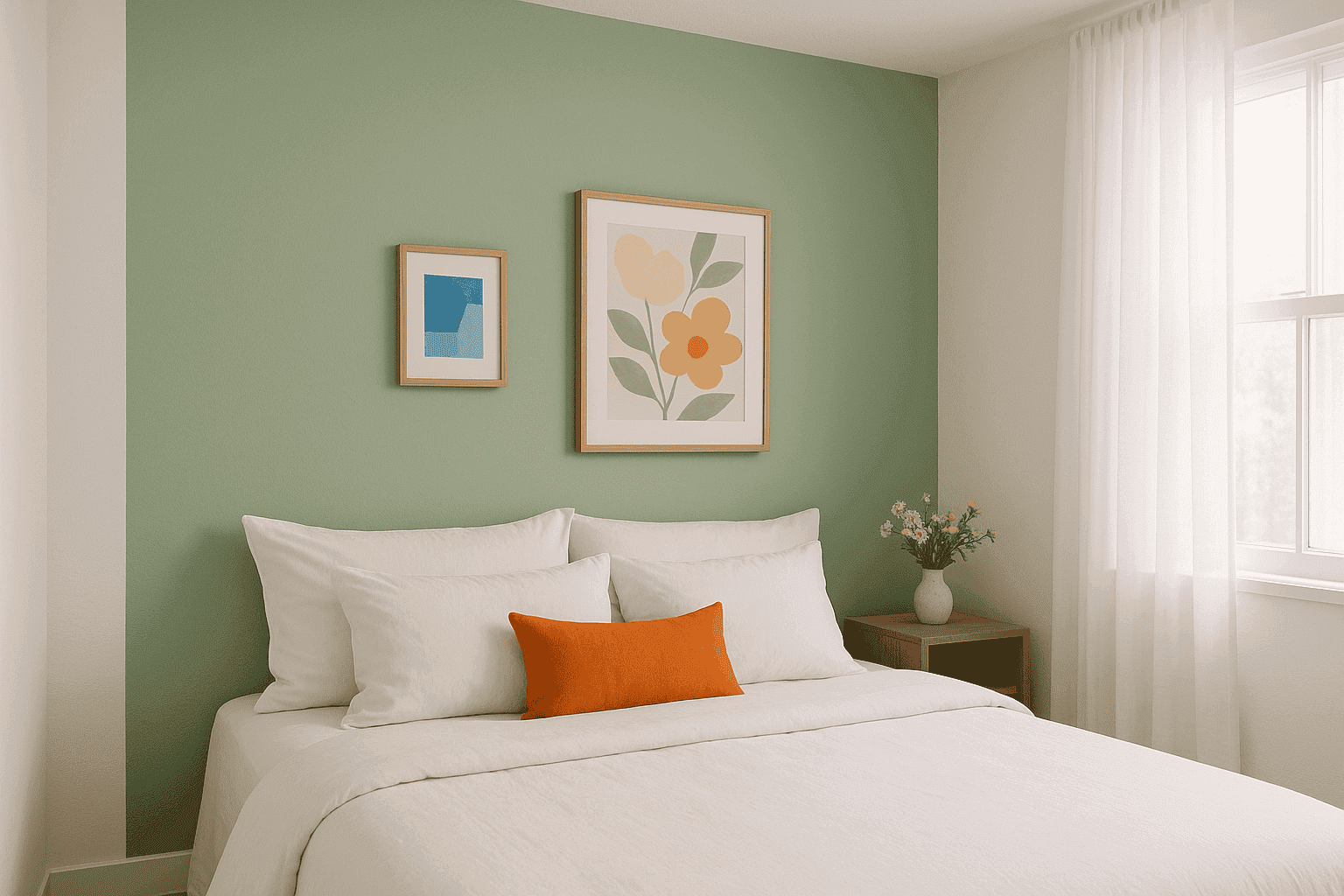
A pastel accent wall offers the perfect solution for introducing color without overwhelming your space. These soft, light-toned hues create an airy, uplifting atmosphere that's particularly welcome after the darker months of winter. Whether you choose a delicate blush pink, soothing sage green, or tranquil sky blue, a pastel accent wall brings subtle energy and freshness to any room while remaining sophisticated and versatile.
What You'll Need
| • Interior paint in your chosen pastel shade |
| • Primer (white or tinted) |
| • Paint trays and liners |
| • Paint rollers with extension pole |
| • Various paintbrushes (2-3 inch for edges) |
| • Angled brush for cutting in |
| • Painter's tape |
| • Drop cloths or plastic sheeting |
| • Sandpaper (medium and fine grit) |
| • Spackle and putty knife |
| • Damp cloths |
| • Step ladder |
| • Stirring sticks |
| • Paint can opener |
| • Paint samples (for testing colors) |
How To Do It
- Choose the right wall: Select a wall that naturally draws attention—behind a bed or sofa, at the end of a hallway, or in a dining area. Avoid walls with multiple doors or windows that can disrupt the visual impact.
- Select your pastel: Consider the room's natural light, existing furnishings, and the mood you want to create:
- Blush pink: Warm, flattering, works well with neutrals and metallics
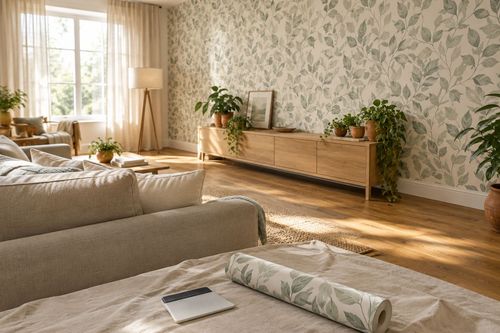
- Sage green: Grounding, brings nature indoors, pairs beautifully with woods
- Sky blue: Calming, expansive, perfect for spaces where you want to relax
- Soft lavender: Gentle energy, surprisingly versatile as a sophisticated neutral
- Pale yellow: Sunny, uplifting, ideal for north-facing rooms with limited light
- Test your color: Purchase sample pots of 2-3 colors you're considering. Paint 2'×2' swatches on your chosen wall and observe them at different times of day. Pastels can change dramatically depending on lighting.
- Prepare the wall: Remove all wall hangings, switch plates, and outlet covers. Patch any holes or imperfections with spackle, allowing it to dry completely before sanding smooth.
- Clean the surface: Wipe down the entire wall with a damp cloth to remove dust and debris. Let dry completely.
- Protect adjacent areas: Apply painter's tape along the ceiling, trim, and adjacent walls. Lay drop cloths or plastic sheeting to protect flooring and furniture.
- Prime if necessary: For dramatic color changes or walls with stains, apply a coat of primer. This ensures true pastel color and even coverage. Allow primer to dry completely according to manufacturer's instructions.
- Start with cutting in: Using an angled brush, paint a 2-3 inch border along all edges, corners, and trim. Work in sections to maintain a wet edge.
- Roll the main surface: Fill your paint tray and load the roller evenly. Starting at the top corner, roll in a W pattern, then fill in with vertical strokes without lifting the roller. Work in 3-4 foot sections.
- Apply a second coat: Allow the first coat to dry completely (typically 2-4 hours). Apply a second coat following the same process. Pastels often require two coats for even, vibrant coverage.
- Remove tape and clean up: While the final coat is still slightly damp, carefully remove painter's tape by pulling at a 45-degree angle. This prevents peeling and creates clean lines.
- Style your space: Once dry, replace outlet covers and thoughtfully arrange artwork and décor to complement your new accent wall. Consider adding elements that echo your pastel shade elsewhere in the room for a cohesive look.
For a truly designer-worthy pastel accent wall, consider the color theory concept of "dusty pastels." These sophisticated versions of traditional pastels contain a hint of gray, creating depth and preventing the color from looking too childlike or saccharine. Another professional approach is to layer your pastel with complementary décor—pair blush walls with natural wood tones and brass accents; sage with creamy whites and terra cotta; or sky blue with warm neutrals and glass elements. For added dimension, try a paint technique like color washing or dry brushing over your base pastel coat. This creates subtle texture that catches the light beautifully, especially in rooms where natural light changes throughout the day, giving your accent wall depth and character beyond a simple flat color.