Spring Cleaning Prep: Herb-Infused Vinegar That Cleans Everything
Start steeping today for powerful natural cleaners ready when you need them most
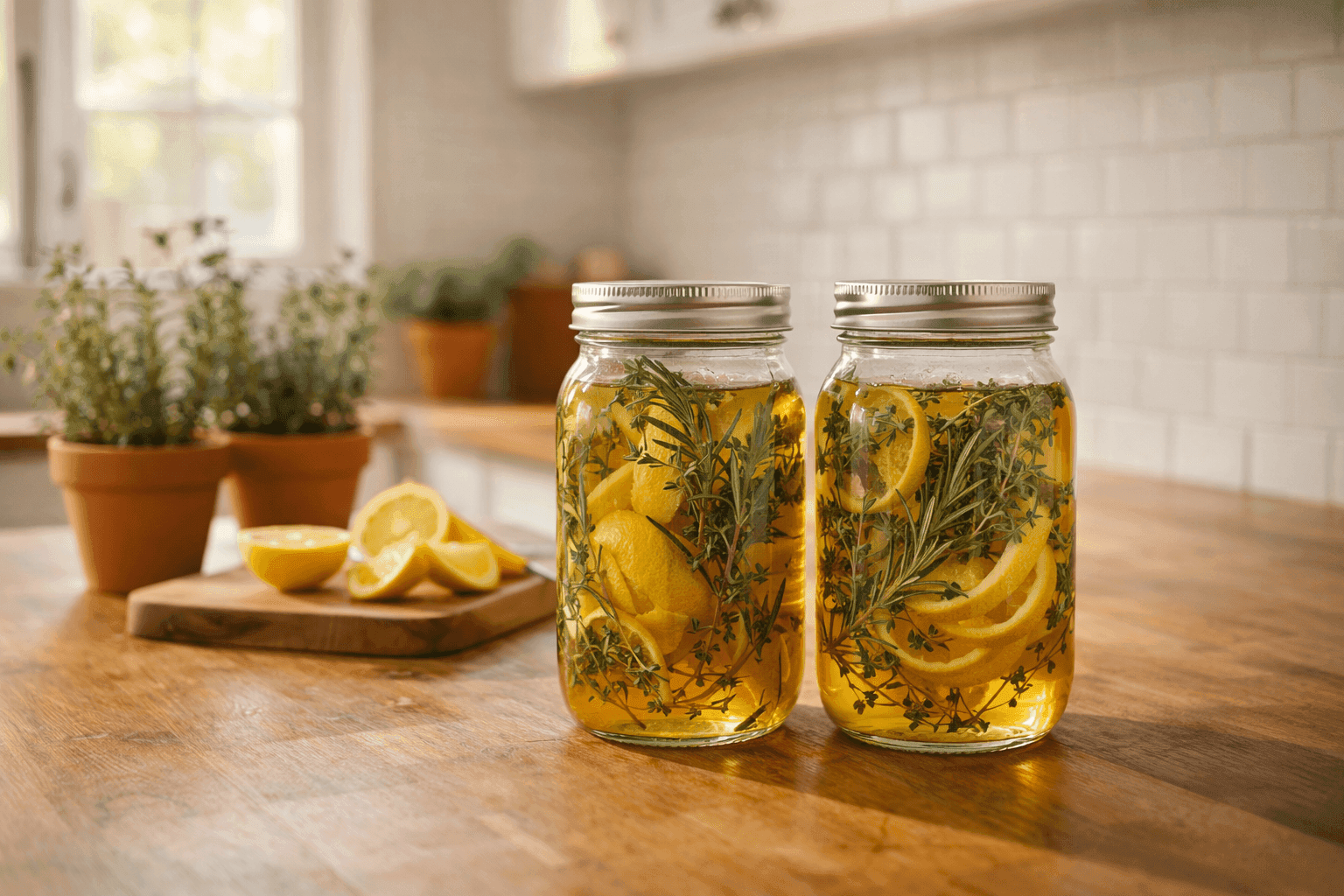
The secret to stress-free spring cleaning is starting your cleaning solutions weeks before you actually need them, and these herb-infused vinegar cleaners are proof that a little advance planning pays off beautifully. While vinegar alone is a powerhouse cleaner, steeping it with citrus peels and fresh herbs adds natural antibacterial properties and transforms that harsh vinegar smell into something you'll actually enjoy using throughout your home. I make several batches every late winter so they're perfectly ready when spring cleaning season hits, and honestly, it's become one of my favorite kitchen counter projects—partly because it's so simple, partly because watching the transformation over two weeks feels like a tiny science experiment. The active prep time is just 15 minutes, and for $5-8 in materials you'll have enough natural cleaner to tackle your entire house. Think of this as meal prep, but for your cleaning routine.
What You'll Need
- White distilled vinegar: 1 gallon (5% acidity, the standard cleaning strength—$3-4)
- Fresh citrus peels: From 4-6 lemons, oranges, or mix of both (save peels from fruits you're already using—essentially free)
- Fresh rosemary: 4-6 sprigs about 6 inches long ($2-3 for a bundle, or clip from your garden)
- Fresh thyme: Small handful or 6-8 sprigs ($2-3, or use from your herb garden)
- Large glass jars with lids: Two 1-quart mason jars or similar (reuse pasta sauce jars or pickle jars)
- Spray bottles: For storing finished cleaner ($1-2 each at dollar stores, or reuse old cleaning bottles)
- Fine mesh strainer or cheesecloth: For filtering out solids after steeping
- Labels: For marking date and contents
Step-by-Step Instructions
- Prepare your citrus peels by removing any remaining fruit flesh with a spoon—you want just the peel with its essential oils, not the bitter white pith or fruit remnants that can create mold
- Rinse the fresh herbs gently under cool water and pat completely dry with paper towels, because excess moisture can dilute your vinegar and potentially introduce bacteria during the steeping process
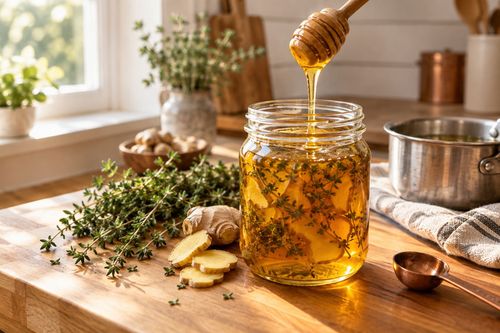
- Layer your ingredients into clean glass jars by adding citrus peels first, then tucking in rosemary and thyme sprigs vertically along the sides so everything stays submerged
- Pour vinegar over everything until all plant materials are completely covered with at least an inch of vinegar above the top layer—exposure to air will cause browning and reduce effectiveness
- Seal tightly and label each jar with the date and contents, then place in a cool, dark location like a pantry or cabinet where they won't be disturbed for the next two weeks
- Shake gently every few days to redistribute the botanicals and help extract maximum oils and antibacterial compounds from the peels and herbs
- Strain after two weeks by pouring the infused vinegar through a fine mesh strainer or cheesecloth into spray bottles, discarding the spent herbs and peels which have now given up their beneficial properties
- Store and use your finished cleaners in labeled spray bottles for up to six months—they're perfect for countertops, glass, bathrooms, and any hard surface that needs degreasing or disinfecting
Professional organizers and eco-conscious cleaning services often create signature scent blends by customizing their herbal combinations—try lavender and lemon for bathrooms, orange and cinnamon sticks for kitchens, or pine needles and rosemary for a forest-fresh all-purpose cleaner. You can also dilute your finished herbal vinegar 50/50 with water for everyday cleaning, reserving the full-strength version for heavy-duty jobs like soap scum or hard water deposits. For an elevated presentation that makes wonderful gifts, transfer your strained cleaner into amber glass bottles with professional-looking labels listing the ingredients and uses. The same steeping method works with apple cider vinegar if you prefer a slightly milder scent, though white vinegar's higher acidity makes it more effective for cutting through grease and mineral deposits on glass and tile.