Space Definers: Creating Stylish DIY Room Dividers
Design custom partitions that create visual separation while maintaining an open feel
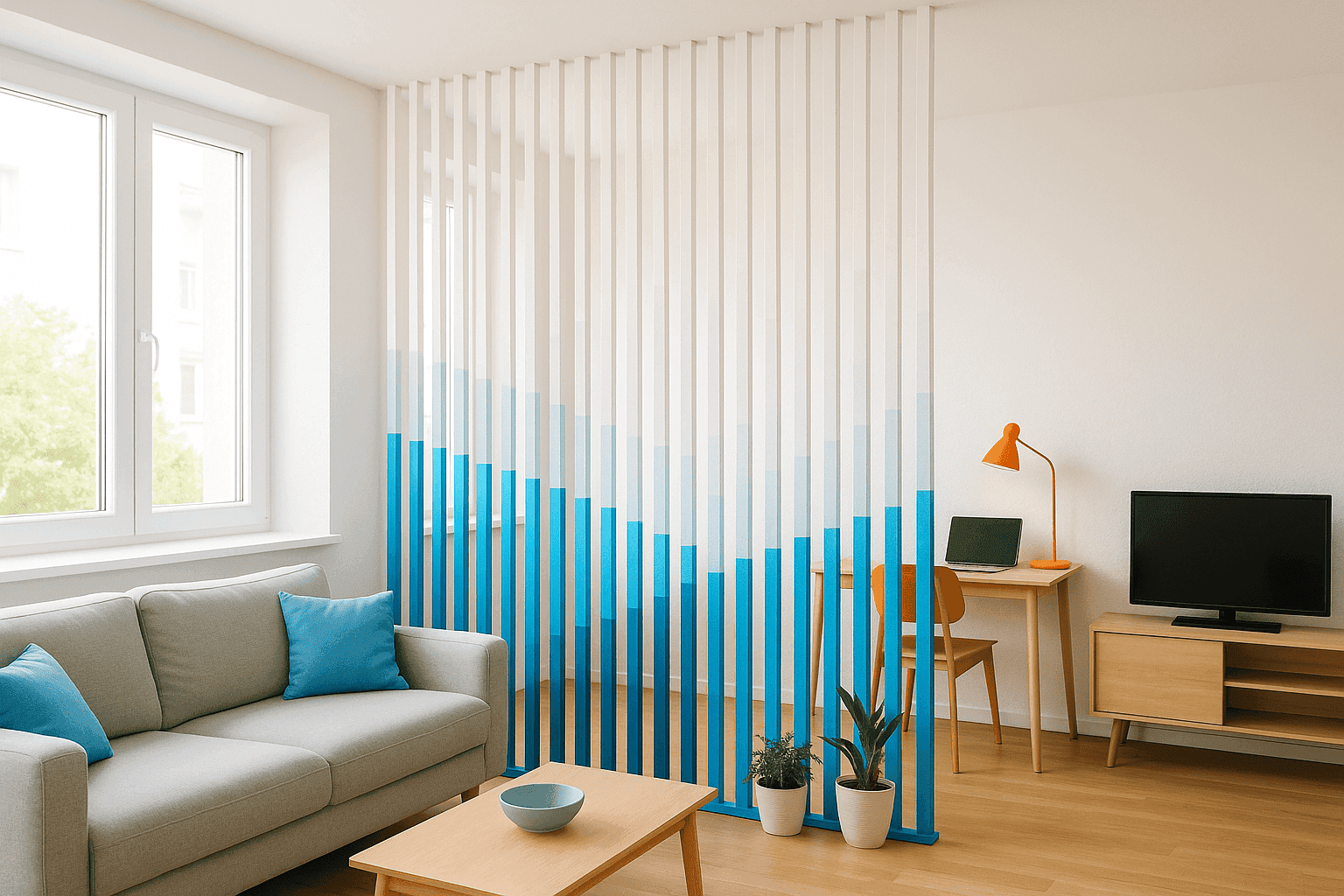
Room dividers offer the perfect solution for defining separate areas within open floor plans without sacrificing the spacious feel or natural light flow. Whether you're creating a home office in your living room, separating a studio apartment into living zones, or simply adding visual interest to a large space, custom dividers provide functionality with style. From simple screens to substantial built-ins, these versatile projects can be tailored to your specific needs, design aesthetic, and carpentry skill level.
Divider Options & Materials
| • Folding Screens: Hinged panels, decorative frames |
| • Hanging Dividers: Fabric panels, beaded curtains |
| • Bookcase Dividers: Open shelving, cube storage |
| • Slatted Partitions: Wood slats, metal rods |
| • Sliding Panels: Barn door hardware, track systems |
| • Framework: Wood, metal piping, bamboo |
| • Panel Materials: Plywood, acrylic, fabric, rice paper |
| • Fasteners: Hinges, ceiling mounts, floor anchors |
| • Decorative Elements: Paint, decals, photographs |
Popular DIY Divider Projects
- Classic Folding Screen
- Create three or more panels using 1x2 lumber to build simple rectangular frames.
- Connect panels using decorative hinges that allow for folding and repositioning.
- Cover frames with fabric, wallpaper, or painted plywood for visual interest.
- Add stability with wider bottom rails or removable feet for a freestanding design.
- Personalize with photo collages, fabric swatches, or decorative paper inserts.
- Suspended Room Divider
- Install a ceiling-mounted curtain track or tension rod system in your desired location.
- Create custom panels using outdoor fabric, canvas, or lightweight curtains.
- Add weighted hems to maintain straight hanging and prevent movement.
- Consider double-sided designs with complementary fabrics facing each area.
- For added visual interest, layer multiple panels or use ombré color gradients.
- Bookcase Room Divider
- Position a freestanding bookcase perpendicular to walls to create distinct zones.
- For custom dimensions, build using 3/4" plywood with adjustable shelving.
- Add a plywood backing to one side if you need a solid visual barrier.
- Ensure stability with a wider base or by securing the unit to the ceiling.
- Create visual rhythm by alternating shelved sections with solid panels.
- Finish both sides equally, as both will be visible in the divided space.
- Modern Slatted Divider
- Create top and bottom rails using 1x4 lumber cut to your desired divider width.
- Cut vertical slats from 1x2s or thinner lumber, spacing them 2-4" apart.
- Attach slats to rails using pocket screws or dowels for a clean look.
- Secure the completed panel to the floor and ceiling for stability, or create a freestanding base.
- Apply wood stain or paint in a color that complements your space.
- For added interest, vary slat widths or create geometric patterns.
- Sliding Panel System
- Install a ceiling-mounted barn door track or panel track system.
- Create custom panels using lightweight materials like stretched canvas or hollow-core doors.
- Attach appropriate hangers or roller hardware to the top of each panel.
- Include floor guides to prevent panels from swinging or moving.
- Design panels to stack neatly when fully opened or to overlap slightly when closed.
- Add handles or pulls for easy operation, especially for larger panels.
- Living Plant Divider
- Build a frame structure using lumber or metal pipes with multiple shelving levels.
- Include waterproof shelf liners or built-in planter boxes for potted plants.
- Select a variety of plants with different heights, textures, and cascading growth.
- Consider light requirements based on your space's natural illumination.
- Include a watering system or easily accessible points for maintenance.
- Combine with solid panels or fabric sections for additional privacy if needed.
When designing your room divider, consider the visual weight and transparency needed for your space. In smaller areas, opt for dividers that allow light to filter through—slatted designs, open shelving, or translucent materials—to maintain an airy feel while still defining zones. For maximum flexibility, design modular divider components that can be reconfigured as your needs change. For example, create individual panels with consistent heights that can function alone or connect to form longer dividers. This approach allows you to adapt your space division as activities, seasons, or living arrangements evolve.