Skip Winter Gutter Nightmares With This Fall Upgrade
Install protective guards now to prevent clogs and eliminate dangerous cold-weather ladder climbs
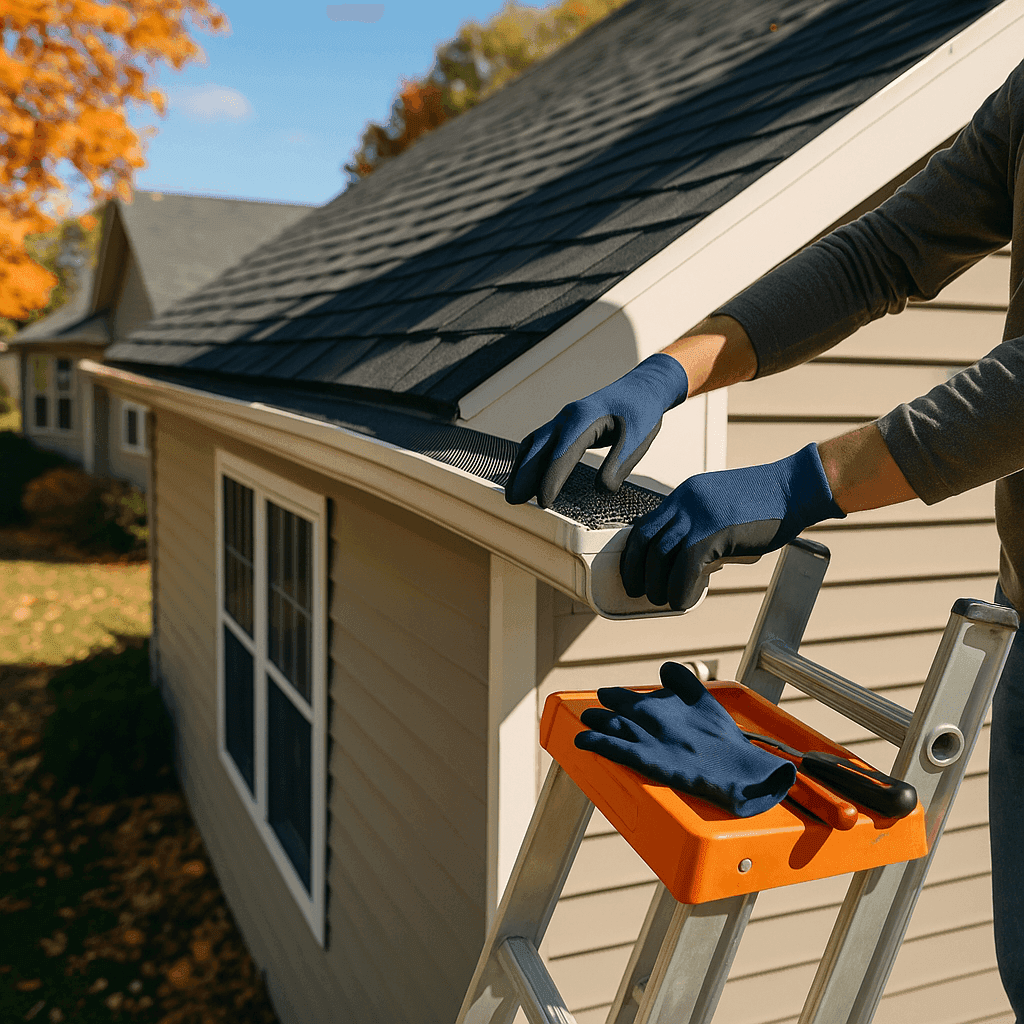
Every homeowner who's ever climbed a ladder in freezing temperatures to clear ice-clogged gutters knows there has to be a better way, and installing gutter guards before winter arrives is absolutely that solution. These protective covers prevent leaves, twigs, and debris from entering your gutters while allowing water to flow freely, which means you're eliminating the dangerous ladder work, preventing ice dam formation, and protecting your home's foundation from overflow damage all in one afternoon project. I'm genuinely passionate about this upgrade because it's one of those rare home improvements that pays for itself within a year or two through eliminated professional cleaning costs while dramatically reducing one of homeownership's most dreaded seasonal chores. The DIY approach costs around $150-250 for an average home depending on gutter length and guard type you choose, which is less than half what professional installation runs and honestly not difficult for anyone comfortable on a ladder with basic tools. What really sells me on fall installation timing is that you're getting ahead of the problem rather than reacting to it—installing guards on clean gutters in pleasant autumn weather beats desperately trying to fix frozen, overflowing gutters in January while standing on an icy ladder in your winter coat.
Installation Materials
- Gutter Guard Types (Choose Based on Your Needs):
- Mesh/screen guards (DIY-friendly, $1-2 per linear foot, $50-100 total)
- Foam inserts (easiest install, $1.50 per foot, $75-100 total)
- Brush-style guards (simple drop-in, $3-4 per foot, $150-200 total)
- Reverse-curve guards (most effective, $4-5 per foot, $200-250 total)
- Cleaning Supplies:
- Gutter scoop or small garden trowel
- Garden hose with spray nozzle
- Large bucket or tarp for debris collection
- Stiff-bristle brush for stubborn buildup
- Installation Hardware:
- Self-tapping screws (1-inch, stainless steel, $5-8)
- Or specialized gutter guard clips (often included)
- Tin snips for cutting guards to length ($8-12)
- Caulking gun with outdoor sealant (optional, $10-15)
- Safety Equipment:
- Sturdy extension ladder rated for your weight plus 50 pounds
- Ladder stabilizer or standoff for safer positioning ($25-40)
- Work gloves to protect from sharp edges
- Safety glasses for debris protection
- Non-slip shoes with good traction
Installation Process
- Clean Gutters Thoroughly: Remove all leaves, twigs, and debris from your gutters using a scoop and bucket, then flush the entire system with a garden hose to ensure downspouts are clear—guards only work on clean gutters, so this step is absolutely critical to success.
- Inspect for Damage: While gutters are empty, check for rust spots, loose hangers, separated seams, or sagging sections that need repair before installing guards—fixing these issues now prevents having to remove guards later for maintenance you could have addressed today.
- Measure and Cut Guards: Measure each gutter section length and cut your guards to fit using tin snips, making clean straight cuts that will sit flush at corners and seams—most guards come in 4-foot or 5-foot sections that you'll need to customize for your specific runs.
- Position First Section: Starting at the end opposite your downspout, slide the guard under the first row of roof shingles (if using that attachment style) or clip it to the front gutter lip according to manufacturer instructions—proper positioning ensures water flows into gutters rather than overshooting.
- Secure with Fasteners: Attach guards using the recommended method for your chosen style—self-tapping screws through the guard into the gutter lip, clips that grab the gutter edge, or adhesive strips that bond to clean dry surfaces—spacing fasteners every 12-18 inches prevents sagging or wind lift.
- Overlap Sections Properly: When connecting multiple guard sections, overlap them by at least 1 inch in the direction of water flow so debris can't slip through gaps, and secure the overlap point with an extra fastener to prevent separation during heavy rain or snow load.
- Address Corners and Downspouts: Cut guards to fit around inside and outside corners, making relief cuts as needed so guards lay flat without buckling, and leave downspout openings completely clear so water can exit freely without backup that defeats the entire purpose.
- Test Water Flow: Run your garden hose on the roof above each guarded section to simulate heavy rain, watching to ensure water flows into gutters and through guards without overshooting or pooling—adjust guard angles or positions if you see any water escaping the system.
Professional gutter installers swear by the hybrid approach that combines different guard types based on specific gutter sections rather than using one style everywhere. Use micro-mesh or reverse-curve guards on sections under trees where heavy debris accumulation happens, since these premium options block even pine needles and seed pods that slip through cheaper screens. Switch to basic foam inserts or brush guards for cleaner sections with minimal tree coverage where you're primarily preventing occasional leaf buildup—this targeted strategy gives you maximum protection where you need it while saving money on sections that don't face heavy debris. The timing secret that makes installation infinitely easier is choosing a dry day after recent rain when any remaining gutter gunk is still slightly damp and pliable rather than rock-hard and stuck, but the gutters themselves have had time to dry so adhesive-backed guards will actually stick. For homes in areas with serious winter weather, add a heating cable along the gutter before installing guards, running it in a zigzag pattern—the guards sit right over the cable and prevent ice dams while keeping snow from blocking the cable's effectiveness, which is especially valuable on north-facing roof sections that never get direct melting sunlight during winter months.