Simple Wooden Tablet Stand: Build This Versatile Display in One Hour
Perfect for tablets, cookbooks, or art—this beginner-friendly woodworking project delivers professional results for under $8
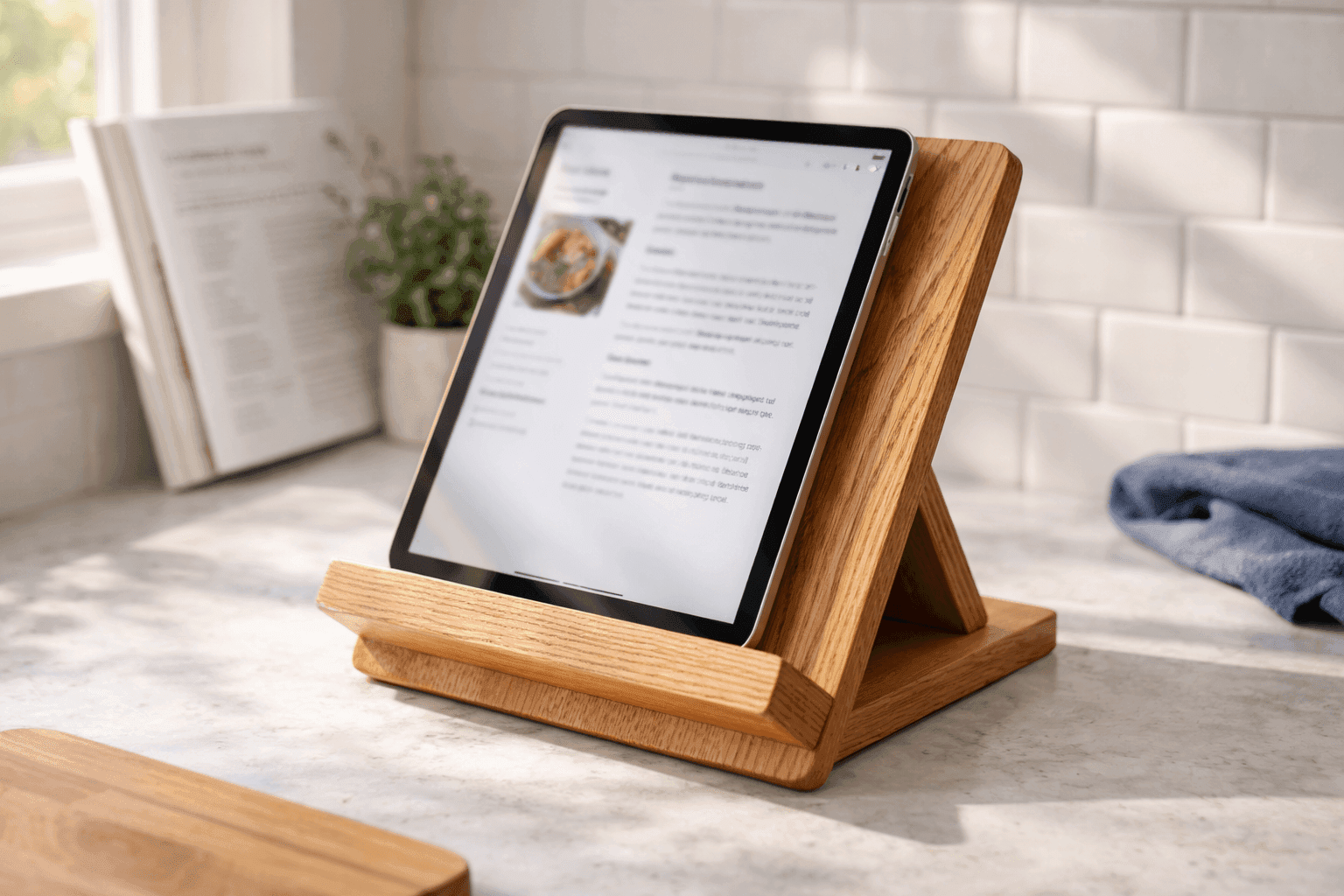
There's something deeply satisfying about building something useful from scratch, and this wooden tablet stand is the perfect introduction to woodworking if you're new to the craft. Using basic lumber and simple joinery techniques, you can create a versatile stand that holds tablets, props up cookbooks in the kitchen, or displays small artwork on a shelf. The beauty of this project is its adaptability—the same basic design works for everything from following recipes on your iPad to keeping your favorite book open while you practice guitar. At just $5-8 in materials and requiring only about an hour of work time, this is one of those projects that punches well above its weight class in both functionality and gift-giving potential. I've made several of these as gifts for friends who cook, and they always get used more than fancier gadgets.
Materials & Tools ($5-8 Total)
- Lumber:
- 1x6 pine or hardwood board (2-3 feet total length - about $4-6)
- Small dowel rod for lip (1/4" diameter, 6" length - $1-2)
- Hardware:
- Wood glue
- 1.5" wood screws (4-6 screws) OR small piano hinge (optional)
- Sandpaper (80, 120, and 220 grit)
- Finish Options:
- Wood stain, paint, or natural oil
- Polyurethane for durability (recommended for kitchen use)
- Tools Needed:
- Hand saw or miter saw
- Drill with bits
- Measuring tape and pencil
- Square or protractor for angle measurements
Building Steps
- Cut your base piece to 8-10" length and your back support to 10-12" length from the 1x6 lumber, making sure cuts are square and clean.
- Determine your angle by propping the back piece against the base at 65-75 degrees—test with an actual tablet or book to find what feels comfortable before committing to cuts.
- Mark and cut matching angles where the two pieces will meet, or skip this step if using a piano hinge to connect them adjustably.
- Sand all surfaces thoroughly starting with 80-grit and progressing to 220-grit, paying extra attention to edges that could splinter since you'll be handling this stand frequently.
- Attach the back to the base using wood glue and screws from underneath the base, or install a piano hinge along the back edge for an adjustable angle option.
- Install your dowel lip about 1" from the front edge of the base, drilling shallow holes on each side and gluing the dowel in place to prevent tablets or books from sliding forward.
- Finish with your chosen stain, paint, or oil, applying 2-3 coats and letting each dry completely—polyurethane top coat adds protection against kitchen moisture and daily handling.
- Customize by cutting a small semicircle notch in the bottom center for charging cable access, or adding multiple notches along the back for adjustable viewing angles based on your needs.
For a more refined look, route a small groove along the bottom of the back support where it meets the base—this creates a perfect channel for charging cables without the need for visible notches. If you're making several as gifts, consider creating a simple template from cardboard first so you can replicate the exact same angles and proportions across multiple stands. For kitchen use specifically, choose hardwoods like oak or maple that can handle moisture better than pine, and always seal with polyurethane since cookbook stands inevitably encounter cooking splashes. The small upgrade in material cost creates a stand that will literally last decades of daily use.