Service Heating System: Pre-Winter Prep That Prevents Cold Nights
Ensure reliable warmth and efficient operation with essential fall furnace maintenance
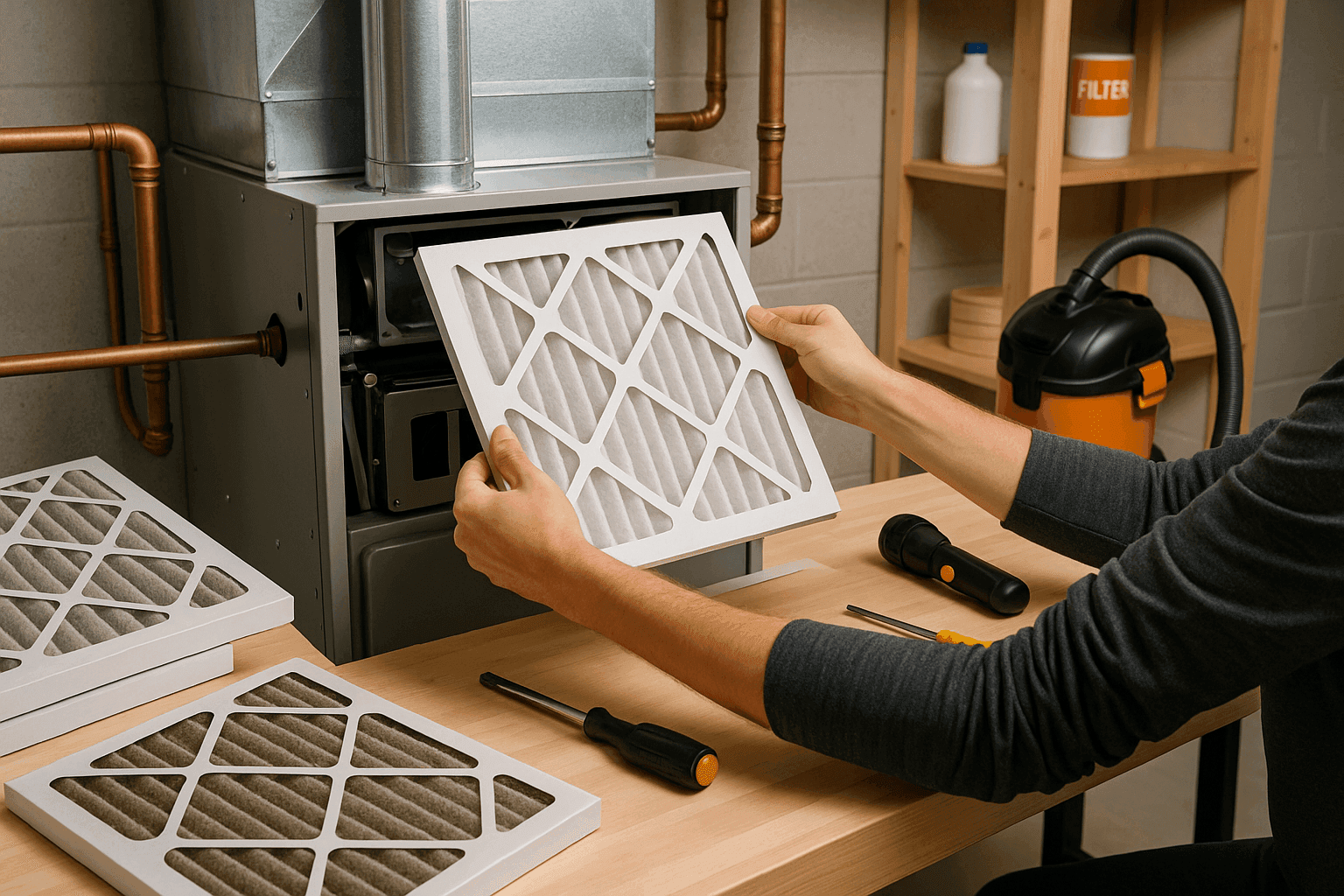
The absolute worst time to discover your heating system has problems is during the first bitter cold snap when temperatures plummet and your furnace simply won't fire up, leaving your family shivering while HVAC companies charge emergency rates and struggle with overwhelming demand. Proactive fall heating system maintenance prevents these nightmare scenarios by identifying and addressing potential issues before winter weather makes reliable heat non-negotiable. Simple tasks like changing filters, testing system operation, and checking for unusual sounds or smells can reveal problems that are inexpensive to fix now but catastrophic if they fail at 2 AM on the coldest night of the year. Smart homeowners treat pre-winter heating system service as essential insurance that delivers peace of mind, lower energy bills, and the confidence that their family will stay warm no matter what winter throws at them.
Maintenance Supplies
- Filter Replacement: New HVAC filters in correct size (check existing filter for dimensions), typically $10-25 each
- Cleaning Materials: Vacuum with brush attachment, microfiber cloths, flashlight for inspection
- Testing Tools: Thermometer to verify heat output, screwdriver for access panels, level for unit positioning
- Safety Equipment: Work gloves, dust mask for filter changes, fire extinguisher nearby
- Professional Service: HVAC technician contact information, maintenance records, warranty documents
Service Process
- Turn off power to furnace at breaker box before beginning any maintenance work for safety
- Replace air filter with new one, noting arrow direction for proper airflow orientation
- Vacuum around furnace area, removing dust and debris that can affect performance and create fire hazards
- Inspect visible components for rust, corrosion, loose connections, or signs of wear requiring professional attention
- Check thermostat batteries and settings, ensuring it's set to heating mode with reasonable temperature
- Test system by turning power back on and running furnace through complete heating cycle
- Listen for unusual sounds like grinding, squealing, or banging that indicate mechanical problems
- Schedule professional service if you notice strange smells, inadequate heating, or cycling issues requiring expert diagnosis
HVAC professionals recommend scheduling annual professional maintenance in early fall when technicians have availability and can thoroughly inspect your system before the winter rush begins. During this service, they'll check components homeowners can't safely access, including heat exchangers, burners, and electrical connections that can fail catastrophically if neglected. To maximize system efficiency and lifespan, change filters every 1-3 months during heating season rather than just once – dirty filters are the leading cause of preventable furnace problems and can increase energy costs by 15% or more while reducing equipment life by years.