Seal the Deal: Stop Winter Drafts at Your Garage Door
Simple weatherstripping that cuts heating costs and eliminates icy gusts
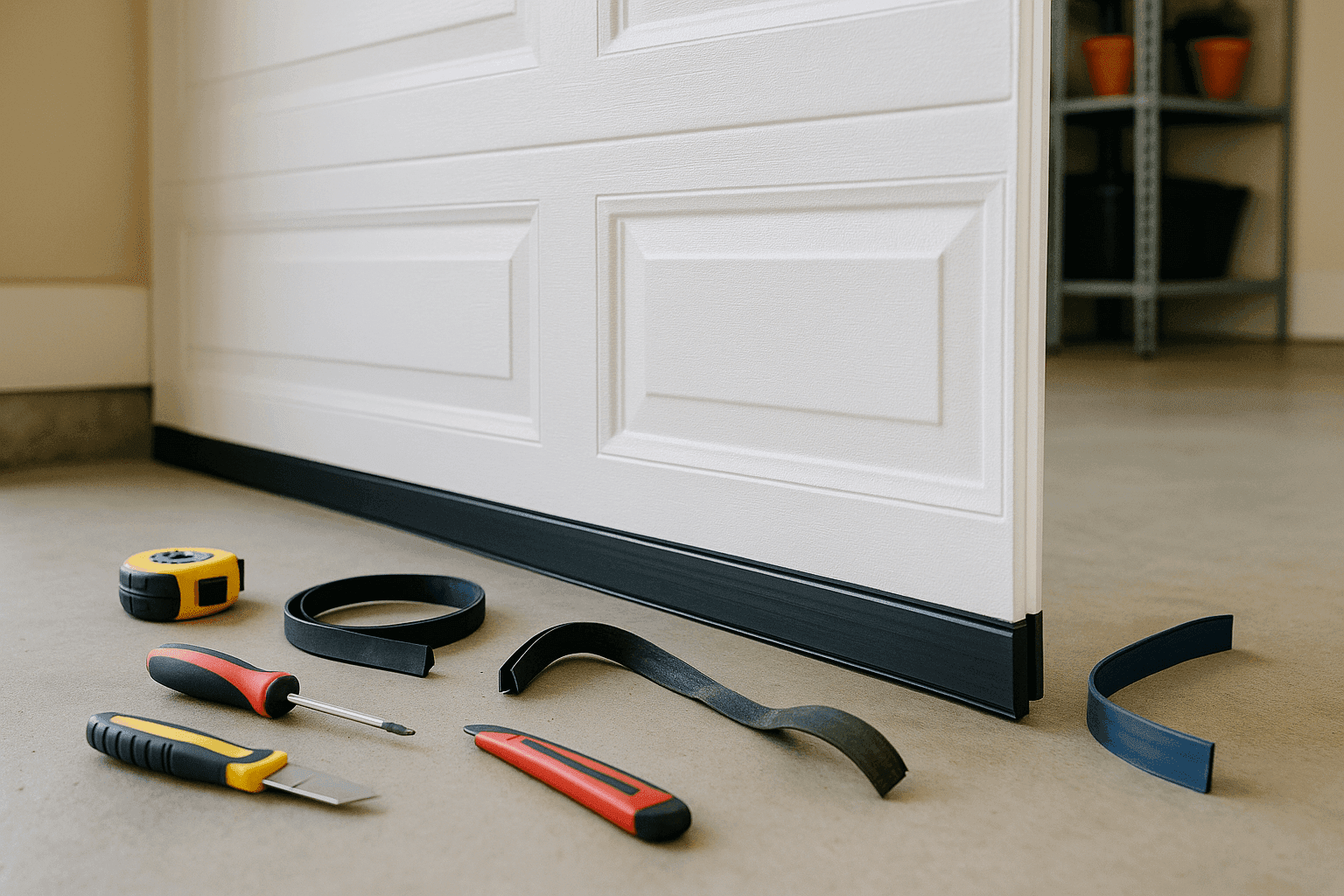
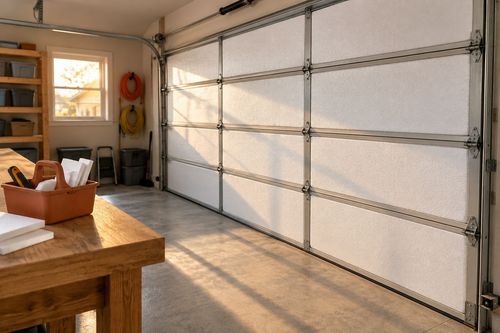
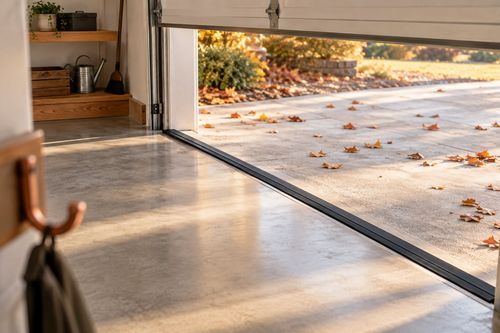
If you have an attached garage, that massive door is likely one of the biggest sources of heat loss in your entire home—and you probably don't even realize it because worn weatherstripping fails gradually until you're basically heating the outdoors every time your furnace kicks on. Those cracked rubber seals along the bottom and brittle strips on the sides let in shocking amounts of cold air that doesn't just make your garage frigid but seeps into adjacent rooms, forces your heating system to work overtime, and adds dollars to every winter utility bill. Replacing garage door weatherstripping costs between $30-60 for materials, takes about 1-2 hours depending on door size, and can reduce heating costs by 10-15% while dramatically improving comfort in rooms that share walls with your garage. This is one of those projects where the payback is immediate and tangible—you'll literally feel the difference the first cold night after installation when that icy draft under the door is suddenly gone. Plus, better seals also keep out snow, rain, leaves, and the small animals that think your garage looks like a cozy winter home.
What You'll Need
- Bottom Seal Materials:
- Garage door bottom seal kit ($15-30)
- Choose size matching your door width
- T-style or U-style depending on existing track
- Include aluminum retainer if not using track system
- Side and Top Seals:
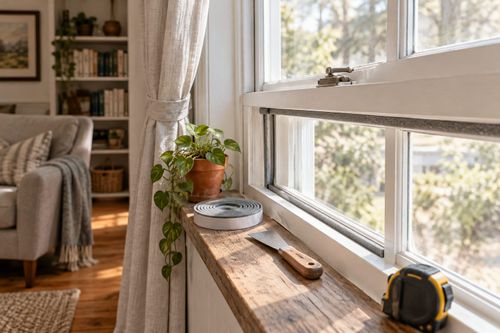
- Weatherstripping tape or bulb seal ($10-20)
- Self-adhesive backing for easy installation
- Choose thickness to fill actual gap size
- Installation Tools:
- Utility knife or scissors for cutting
- Screwdriver or drill for fasteners
- Measuring tape
- Pry bar for removing old seal
- Cleaning supplies (degreaser, rags)
- Optional Extras:
- Threshold seal for uneven floors ($20-35)
- Lubricant for track system
- Work gloves for handling metal edges
Installation Steps
- Inspect your existing weatherstripping by closing the door and checking for visible light gaps, feeling for drafts with your hand, and looking for cracked, brittle, or compressed rubber that's lost its seal.
- Measure your garage door width precisely and note the profile type of existing seals, taking photos if needed so you purchase exact replacements that will fit properly in existing tracks or mounting systems.
- Remove old bottom seal by sliding it out of the track channel or unscrewing the retainer if it's fastened directly to the door, using a pry bar gently if the rubber has become stuck from years of compression.
- Clean all mounting surfaces thoroughly with degreaser and a rag, removing dirt, old adhesive residue, and debris that would prevent new weatherstripping from adhering properly or sliding smoothly into tracks.
- Cut new bottom seal to the exact width of your door using sharp scissors or a utility knife, ensuring clean square cuts rather than ragged edges that might prevent proper insertion into tracks.
- Insert new bottom seal into the track channel by feeding one end in and working gradually across, or attach the aluminum retainer with screws if your system uses surface-mounting rather than a track.
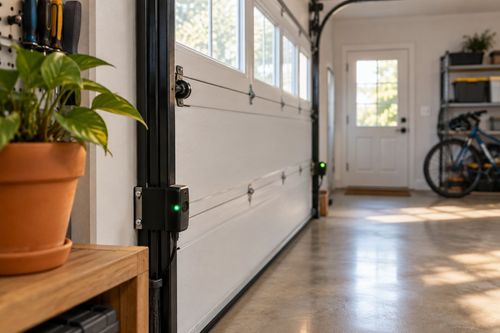
- Apply side and top weatherstripping by peeling backing from adhesive strips and pressing firmly into the door jamb channels, ensuring continuous contact without gaps at corners where air can sneak through.
- Test the door operation by opening and closing it several times, checking that new seals compress evenly when closed, don't interfere with door movement, and create a continuous barrier all the way around with no visible light or felt drafts.
Professional garage door technicians maximize seal effectiveness by addressing the floor surface underneath—if your garage floor has settled and created gaps, even perfect weatherstripping can't seal against air. A threshold seal that adheres to the floor and creates a ramp up to the door costs $20-35 and bridges gaps up to 1.5 inches that bottom seals alone can't handle. For side seals that seem to compress too much or not enough, measure the actual gap when the door is closed rather than relying on package recommendations—gaps vary widely based on door age and installation quality. The best time to install weatherstripping is in moderate temperatures (50-70°F) when rubber is pliable and adhesives cure properly—installing in freezing conditions often leads to poor adhesion and immediate failure. If you're already replacing seals, inspect the door's balance and track alignment at the same time—a door that doesn't sit evenly will never seal properly no matter how good your weatherstripping is. Pro move: keep a small piece of your new seal as a spare for future repairs, and mark on your calendar to inspect seals every fall so you're replacing them proactively rather than discovering failures when the first polar vortex arrives.