Rustic Giving: Build Wooden Gift Crates They'll Keep Forever
Transform fence pickets into keepsake containers that become part of the gift
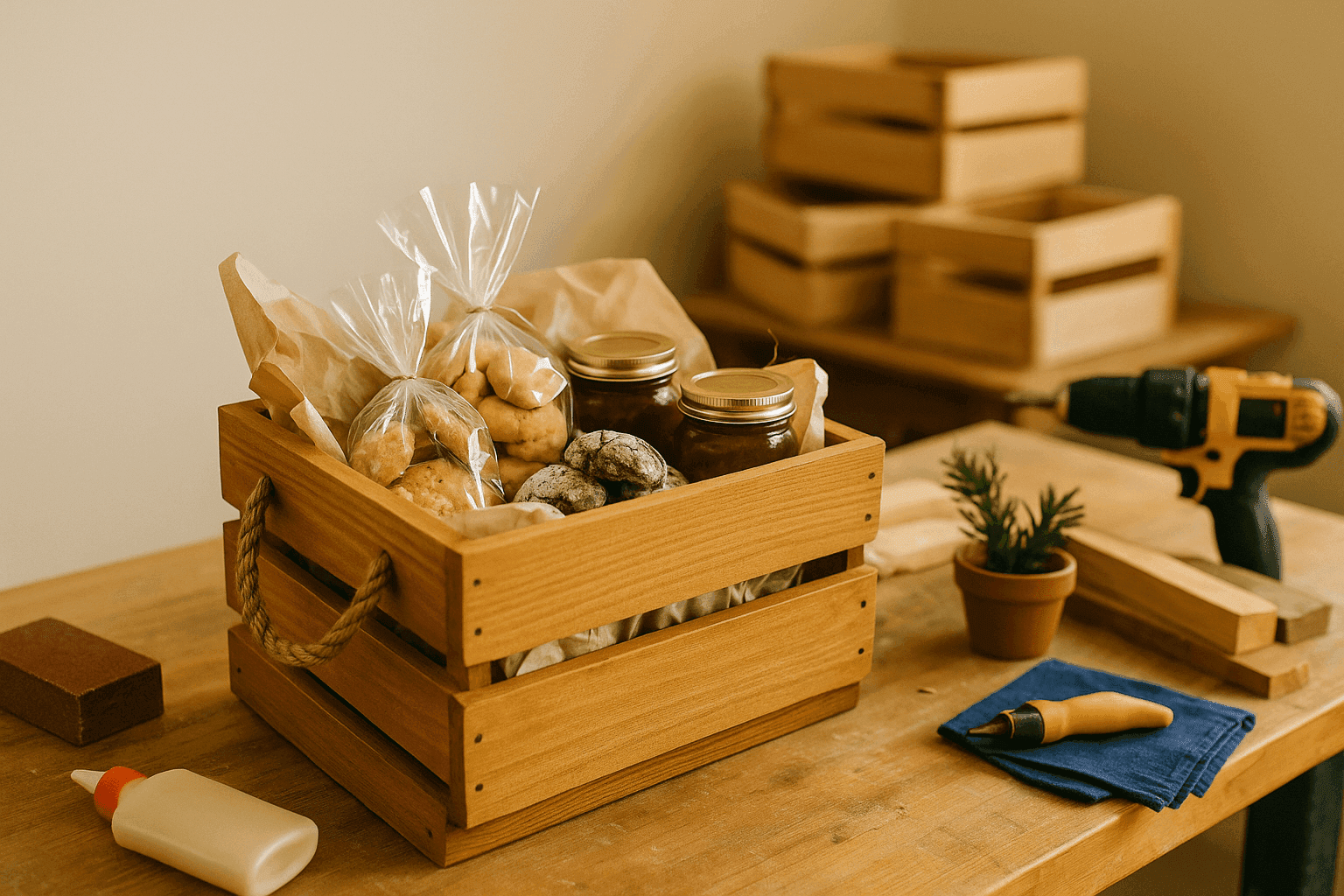
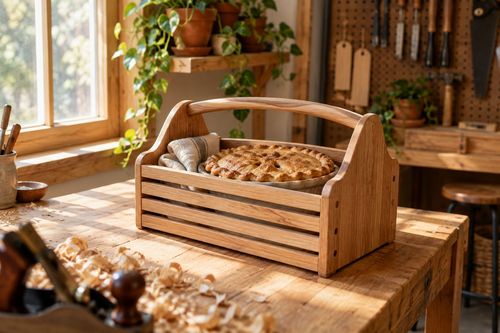
There's something genuinely thoughtful about giving gifts in containers that recipients actually want to keep and reuse—and these simple wooden crates with rope handles hit that sweet spot perfectly, becoming storage solutions for craft supplies, pantry staples, or bathroom essentials long after the original contents are enjoyed. Built from inexpensive fence pickets rather than fancy hardwoods, these rustic crates cost just $5-8 in materials per box and take about 45 minutes to construct using basic woodworking skills and minimal tools. The beauty is in their versatility—size them to hold wine bottles and gourmet treats for foodie friends, make smaller versions for homemade cookie assortments, or build larger crates for complete gift sets with candles, soaps, and holiday goodies all beautifully presented together. The rope handles aren't just decorative; they're functional elements that make carrying easier while adding that farmhouse-chic aesthetic that feels handcrafted and intentional rather than obviously homemade. Whether you stain them dark for sophisticated elegance, leave them raw for natural charm, or even paint them in festive colors, these crates elevate your gift-giving from "here's a bag of stuff" to "I made something specifically for you that you'll treasure beyond the contents."
What You'll Need
- Wood Materials:
- 1x4 fence pickets, 6 feet long ($3-5 each)
- One picket makes 1-2 crates depending on size
- Choose straightest boards without major knots
- Pine or cedar both work beautifully
- Assembly Supplies:
- Wood glue for strong joints
- Finish nails (1.5 inch) or brad nails ($3-5)
- Sandpaper (120 and 220 grit)
- Thick rope for handles, 3/8-1/2 inch diameter ($2-4)
- Finishing Options:
- Wood stain for rustic look (optional, $6-10)
- Clear sealer or polyurethane (optional, $8-12)
- Paint for colored finish (optional, $5-8)
- Clean rags for applying finish
- Tools Required:
- Saw (hand saw, miter saw, or circular saw)
- Drill with bits for rope holes (1/2 inch bit)
- Hammer or nail gun
- Measuring tape and pencil
- Square for ensuring right angles
Building Steps
- Cut fence pickets to size for your crate dimensions—typical wine bottle size uses 10-inch lengths for long sides, 4-inch for short ends, and one 10x4 piece for the bottom.
- Sand all cut pieces with 120-grit sandpaper followed by 220-grit for smoothness, paying special attention to cut ends and any rough spots where recipients will handle the finished crate.
- Arrange pieces in final configuration to visualize assembly order, deciding whether you want sides to overlap ends or vice versa—both approaches work, just maintain consistency throughout construction.
- Apply wood glue to joining edges, then position pieces using a square to ensure perfect right angles before securing with nails, which creates professional-looking corners rather than crooked joints.
- Nail through sides into bottom piece using 2-3 finish nails per joint, pre-drilling pilot holes if wood tends to split, which prevents frustrating cracks that ruin otherwise perfect crates.
- Drill rope handle holes on opposite short ends, positioning them about 1 inch down from the top edge and centered on the width—make holes slightly larger than rope diameter for easy threading.
- Thread rope through holes from outside to inside, cutting rope lengths that allow comfortable hand grip when knotted—typically 8-10 inches of rope creates proper handle drop for carrying.
- Knot rope ends securely on the inside of the crate using figure-eight knots or overhand knots tied multiple times, ensuring knots are large enough that they won't pull back through the holes under weight.
- Finish with stain, paint, or sealer if desired, applying thin coats and allowing proper drying time, or leave completely natural for raw wood aesthetic that recipients can finish themselves later.
- Line finished crates with colorful tissue paper or shredded paper filler before filling with gifts, creating that polished presentation that makes even simple contents feel special and thoughtfully curated.
Professional woodworkers create more refined results by routing or sanding a slight chamfer on all top edges of the crate, which eliminates sharp corners and gives the piece a finished, intentional look rather than obviously raw cut wood. For wine bottle crates specifically, build interior dimensions of approximately 4x10 inches, which accommodates two standard wine bottles standing upright with tissue paper padding between them. The staining trick that makes fence pickets look expensive: apply pre-stain wood conditioner before your actual stain coat, which prevents blotchy absorption in the soft pine wood and creates even, professional-looking color. Consider personalizing crates with wood-burning tools or vinyl letter stencils that add recipient names, making these feel like truly custom gifts rather than mass-produced containers—this small detail significantly increases the "they made this specifically for me" factor. If you're batch-building multiple crates for several gift recipients, create an assembly line: cut all pieces first, sand everything together, then assemble all boxes in sequence, which dramatically reduces per-crate time and ensures consistency across multiple gifts. Store empty crates nested inside each other until gift-filling time, which saves massive space compared to fully assembled boxes sitting around your workshop. The ultimate reusability factor: mention in a gift tag that the crate itself is meant to be kept and reused, giving recipients explicit permission to repurpose it for bathroom storage, craft supplies, or kitchen organization rather than feeling guilty about eventually recycling the container. These crates become beloved storage solutions that recipients use for years, serving as ongoing reminders of your thoughtful gift-giving—which is exactly the kind of lasting impression holiday gifts should create.