Rustic Elegance: Craft Your Own Live-Edge Serving Board
Transform raw hardwood into a stunning charcuterie centerpiece that rivals expensive boutique boards
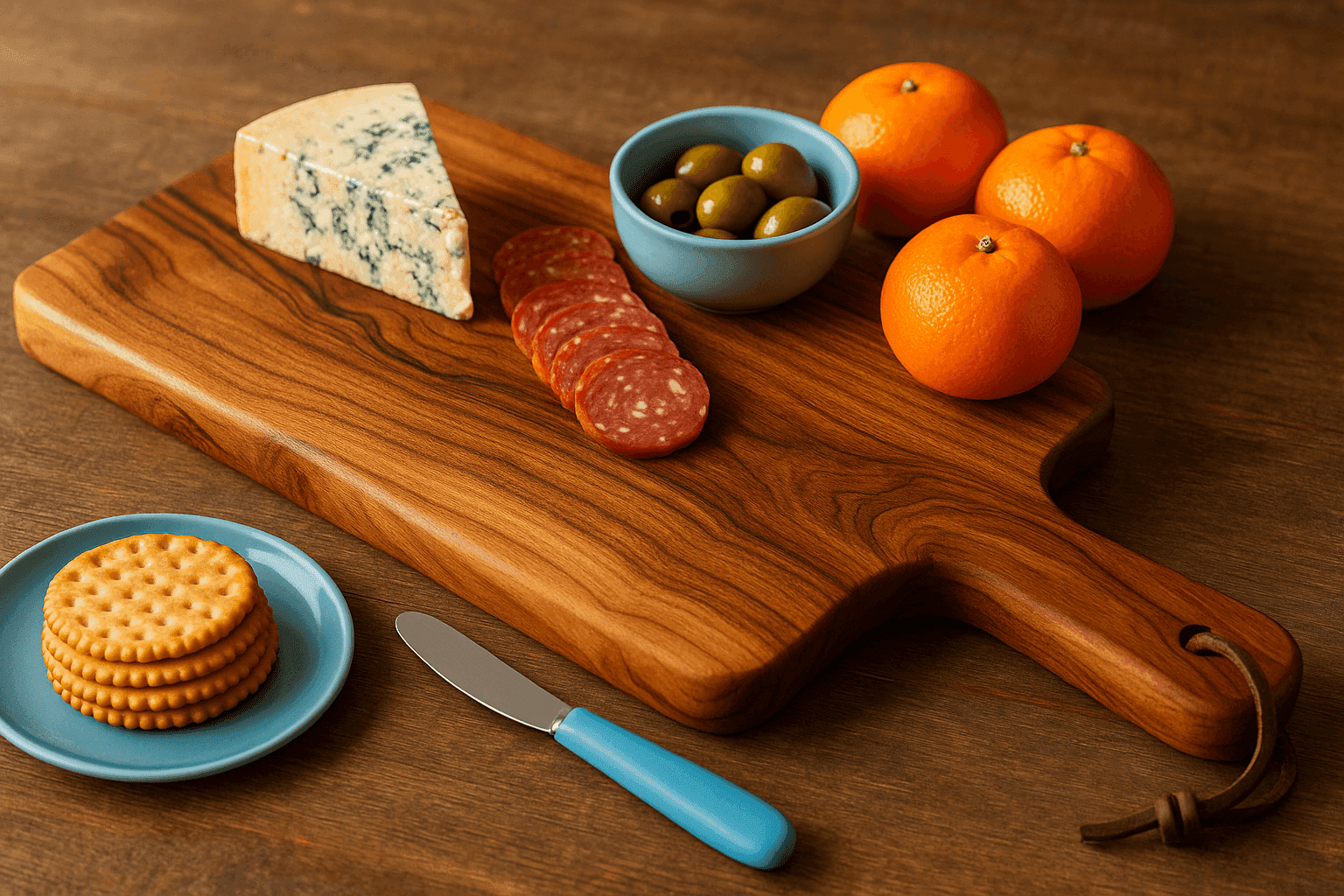
There's something absolutely magical about creating a serving board from a piece of raw wood and watching the natural grain come alive under your hands! I started making these after spending way too much money on "artisan" boards that I knew I could craft myself, and now every dinner party guest asks where I bought such gorgeous pieces. The beauty of working with live-edge wood is that Mother Nature has already done the design work – your job is simply to reveal and enhance what's already there. This project combines basic woodworking skills with the satisfaction of creating something both functional and beautiful that'll be the star of every gathering. Plus, there's nothing quite like the pride of serving your famous cheese spread on a board you made with your own hands!
Wood & Materials
- Live-Edge Hardwood: Walnut, cherry, or maple slab, 1.5-2" thick, 12"x18" minimum ($40-80)
- Sandpaper Set: 80, 120, 220, and 320 grit for progressive smoothing ($15-20)
- Food-Safe Finish: Mineral oil, beeswax blend, or butcher block oil ($12-18)
- Handle Options: Leather strap with rivets, or router bits for carved handle ($10-25)
- Tools: Orbital sander, router (optional), drill, measuring tools ($rental if needed)
- Safety Equipment: Dust mask, safety glasses, work gloves ($15-20)
- Optional: Wood stabilizer for bark edge, brass hardware accents ($10-30)
Crafting Process
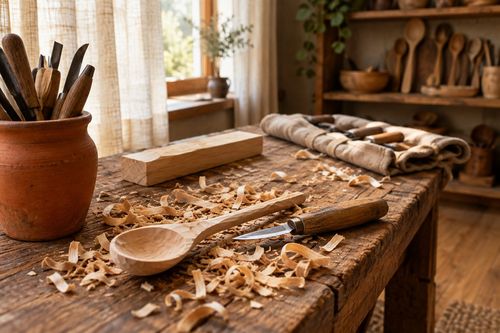
- Select your wood piece, checking for stability and ensuring live edge is intact and attractive
- Clean bark edge gently with wire brush, removing loose pieces while preserving character
- Plan your design, marking handle placement and any decorative elements you want to add
- Sand progressively from 80 to 320 grit, working with the grain for smooth finish
- Route handle groove or drill holes for leather strap attachment as desired
- Inspect surface carefully for any rough spots or splinters that need attention
- Apply food-safe oil finish in thin coats, allowing full absorption between applications
- Cure for 24-48 hours before first use, then maintain with periodic oil treatments
Professional woodworkers know that the secret to a stunning serving board is all in the grain orientation and finishing technique. Always position the board so the most beautiful grain pattern faces up, and sand with increasingly fine grits – rushing this step shows in the final product. Here's my signature move: after the final sanding, I raise the grain slightly with a damp cloth, let it dry completely, then do one final pass with 320-grit sandpaper. This creates an incredibly smooth surface that feels like silk. For the ultimate finishing touch, warm your mineral oil slightly before applying – it penetrates deeper and brings out richer color depth that makes expensive hardwoods absolutely glow!