Room Refresh Playbook: Transform Any Space on Any Budget
A step-by-step approach to redesigning a room without starting from scratch
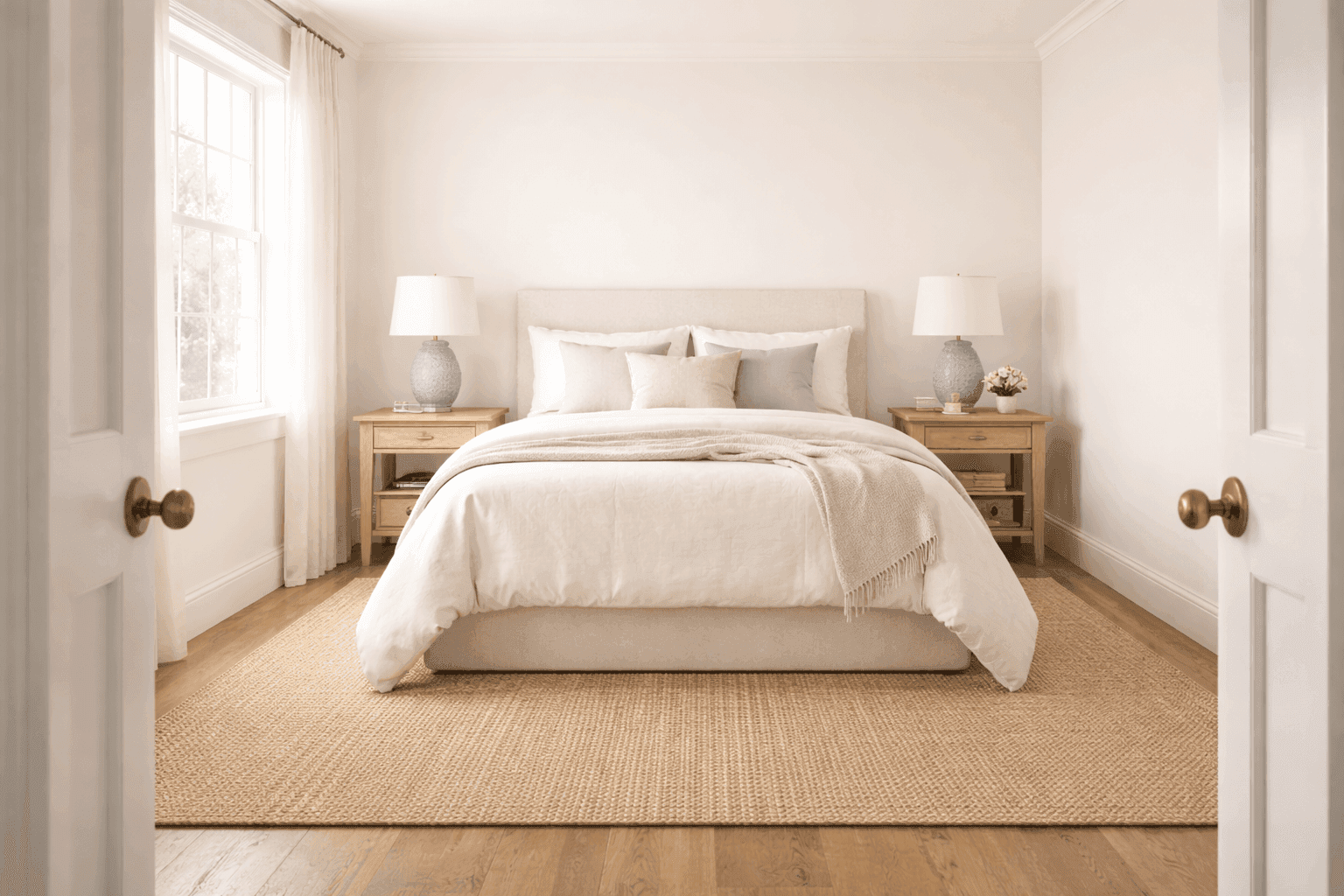
Room makeovers don't require emptying the room and starting over — in fact, the most successful refreshes keep most of what's already there and make targeted, high-impact changes. The key is knowing which changes move the needle most and which are cosmetic tweaks that feel good but don't change the room's fundamental feel. Here's the order of operations for a room refresh that actually transforms the space.
Step 1: Edit Before You Add
Remove everything decorative from the room — clear the surfaces, take down wall decor, pull the throw pillows and blankets. Then add back only what you genuinely love and that serves the room. Most rooms are suffering from too much, not too little. This editing step alone often reveals that the room's bones are actually fine — it's the accumulated clutter that's creating visual noise. Be ruthless: if you're not sure whether something should go back, that's your answer.
Step 2: Address the Walls
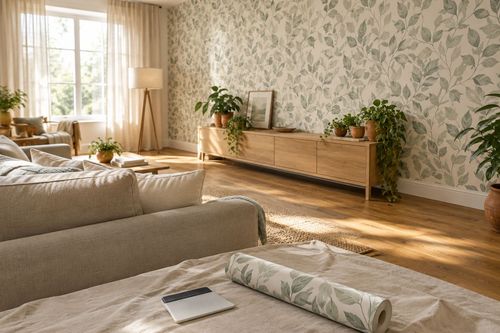
Fresh paint is the highest-ROI single change in any room makeover. If the current color is working, a fresh coat of the same color still makes the room feel renewed — walls collect scuffs and marks over years that you stop seeing. If you're changing color, this is the moment. Paint before you rearrange furniture, not after, so you're not working around obstacles.
Step 3: Rearrange the Furniture
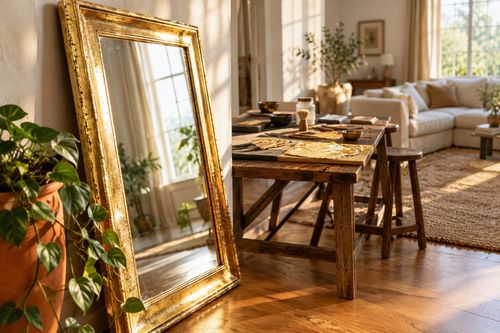
Before buying anything new, try at least two different furniture arrangements. Use the tape-on-floor method to test configurations without the heavy lifting. Ask: is there a clear focal point? Does the traffic flow make sense? Are the seating pieces at a comfortable conversational distance? Often the arrangement that feels right is not the obvious "push everything to the walls" default that most rooms default to.
Step 4: Update Lighting
Replace all bulbs with 2700K warm LEDs. Add a lamp if there isn't one. Install a dimmer if the overhead light doesn't have one. These three steps cost under $50 combined and change the entire mood of the room more dramatically than most furniture purchases would.
Step 5: Layer in Textiles and Finishing Touches
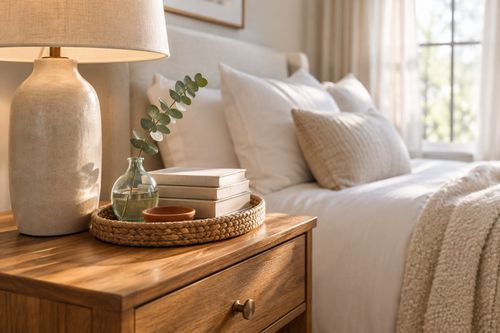
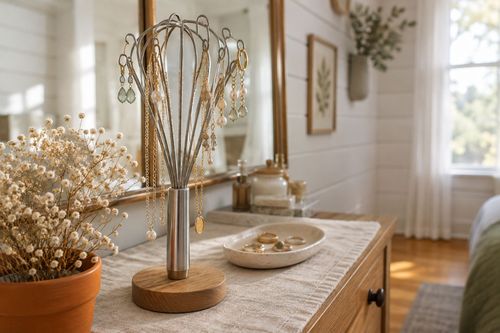
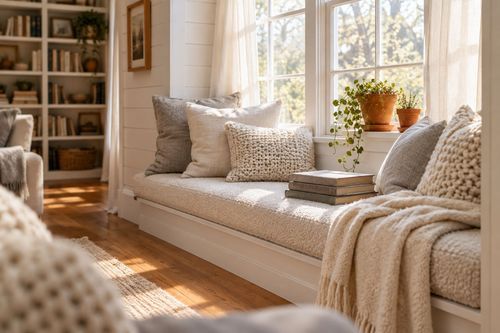
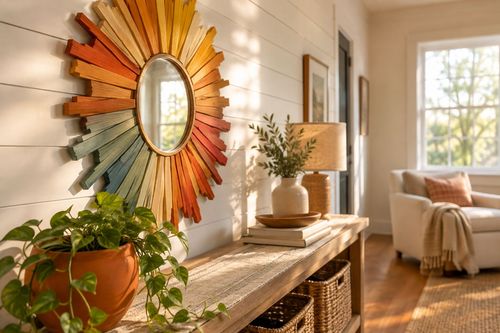
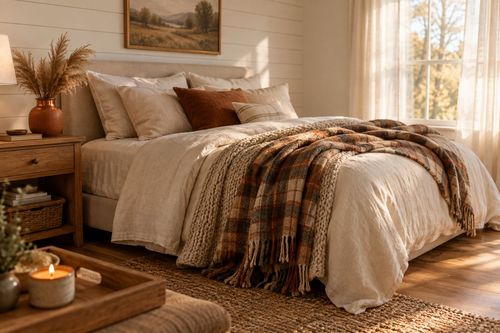
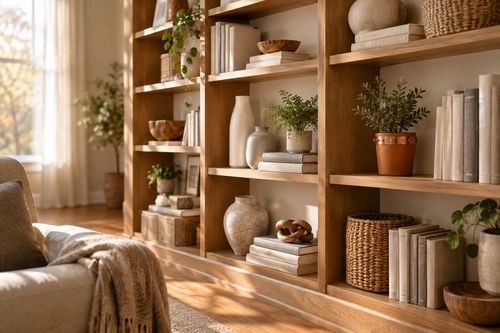
Add a rug if there isn't one (or swap for a larger one if the current one is too small). Add curtains hung high and wide. Layer throw pillows and a blanket in coordinating textures. Add one or two plants. Style the surfaces with intentional vignettes — three objects of varying heights, a mix of textures, with negative space around the groupings. These finishing layers are where the personality of the room comes from.
Set a budget before you start and spend 70% of it on the two highest-impact items in the room — typically the rug and the largest piece of seating — and use the remaining 30% on everything else. Cheap sofas and expensive throw pillows is backwards; an expensive rug with budget-friendly accessories always looks better than the reverse. The large, fixed elements of a room set its quality ceiling; the accessories fill in the details.