Repair Torn Window Screens: Quick Fixes That Save Money
Transform damaged screens into like-new barriers that keep bugs out and fresh air flowing
Torn window screens are among the most frustrating home maintenance issues because they let bugs invade your peaceful evenings while making your windows look neglected and shabby. The good news is that most screen damage can be repaired quickly and inexpensively using simple techniques that restore full functionality without the cost of professional replacement. Small tears and holes often need nothing more than clear nail polish or a patch kit, while larger damage requires replacing the screen material using a spline roller tool that's easier to master than you might think. Learning these repair skills saves hundreds of dollars over time while ensuring your home stays comfortable and insect-free during the warmer months when fresh air matters most.
Repair Materials
- Quick Fix Supplies: Clear nail polish for tiny holes, screen repair patches for small tears, super glue for loose corners
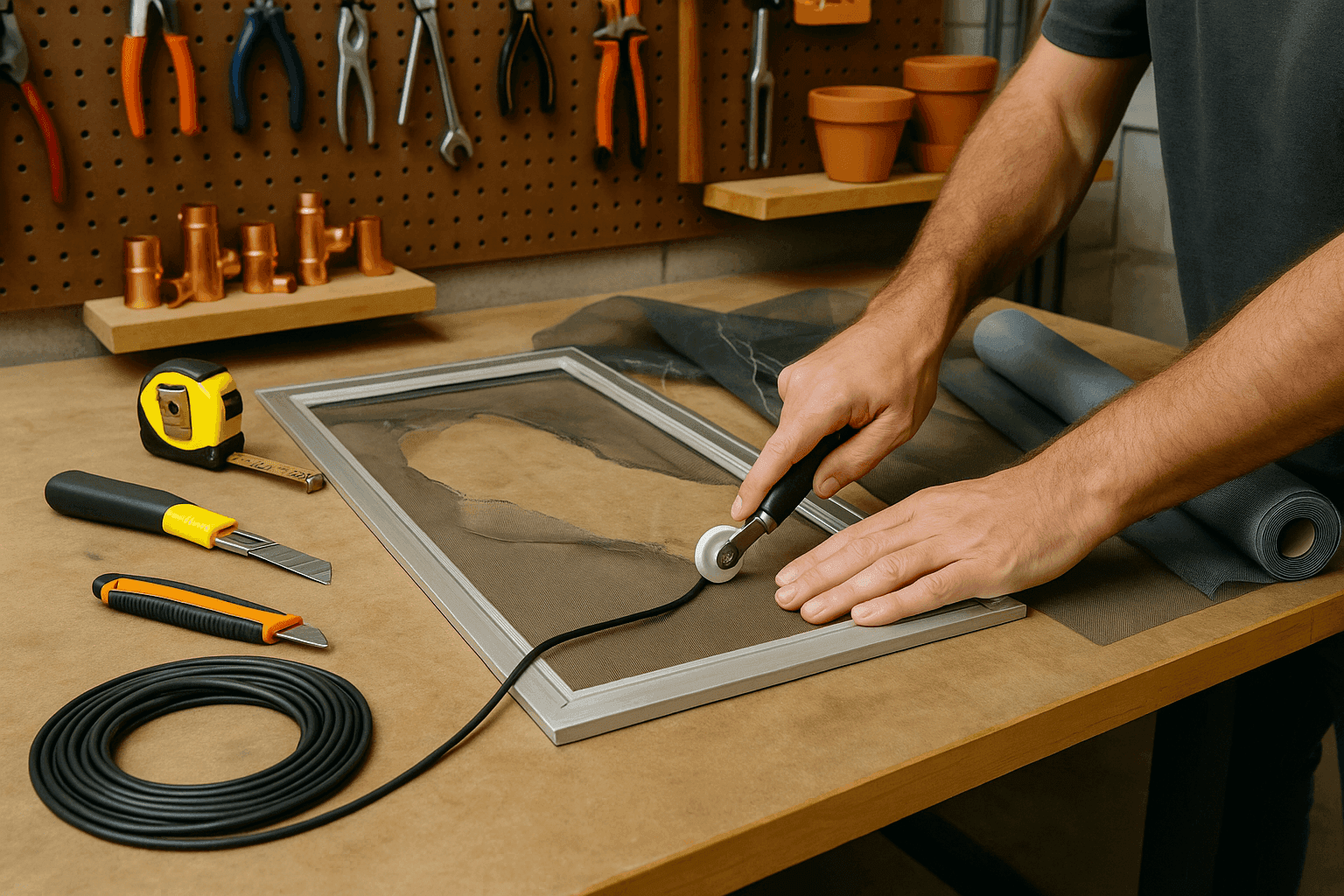
- Screen Replacement: New screen material (fiberglass or aluminum), rubber spline in matching size, spline roller tool
- Tools Needed: Utility knife with fresh blades, flat-head screwdriver, scissors, measuring tape
- Work Surface: Large flat table or sawhorses with plywood, clamps to secure screen frame
- Safety Equipment: Work gloves to protect hands, safety glasses when cutting metal screens
Repair Process
- Assess the damage to determine if you need a quick patch or full screen replacement
- Remove the screen from the window frame by lifting it out or unscrewing mounting hardware
- Apply clear nail polish to tiny holes, building up thin layers until the hole is sealed completely
- Install repair patches over small tears by peeling backing and pressing firmly for full adhesion
- Replace severely damaged screens by removing old spline with a screwdriver and pulling out torn material
- Cut new screen material 2 inches larger than the frame opening for proper overlap during installation
- Position new screen over the frame and use spline roller to press rubber spline into the groove
- Trim excess screen material with a sharp utility knife, leaving the spline intact for secure hold
Professional screen repair technicians always start spline installation at a corner and work continuously around the entire frame without cutting the spline, which creates a stronger seal and prevents corners from pulling loose over time. The key to smooth installation is maintaining consistent tension – the screen should be taut but not stretched so tight that it distorts the frame. For screens you replace frequently due to pet damage, consider upgrading to heavy-duty pet screen material that costs slightly more but resists tears and scratches much better than standard fiberglass mesh.