Protect Your Patio Investment Before Winter Hits
Proper winterization adds years to outdoor furniture life and saves replacement costs
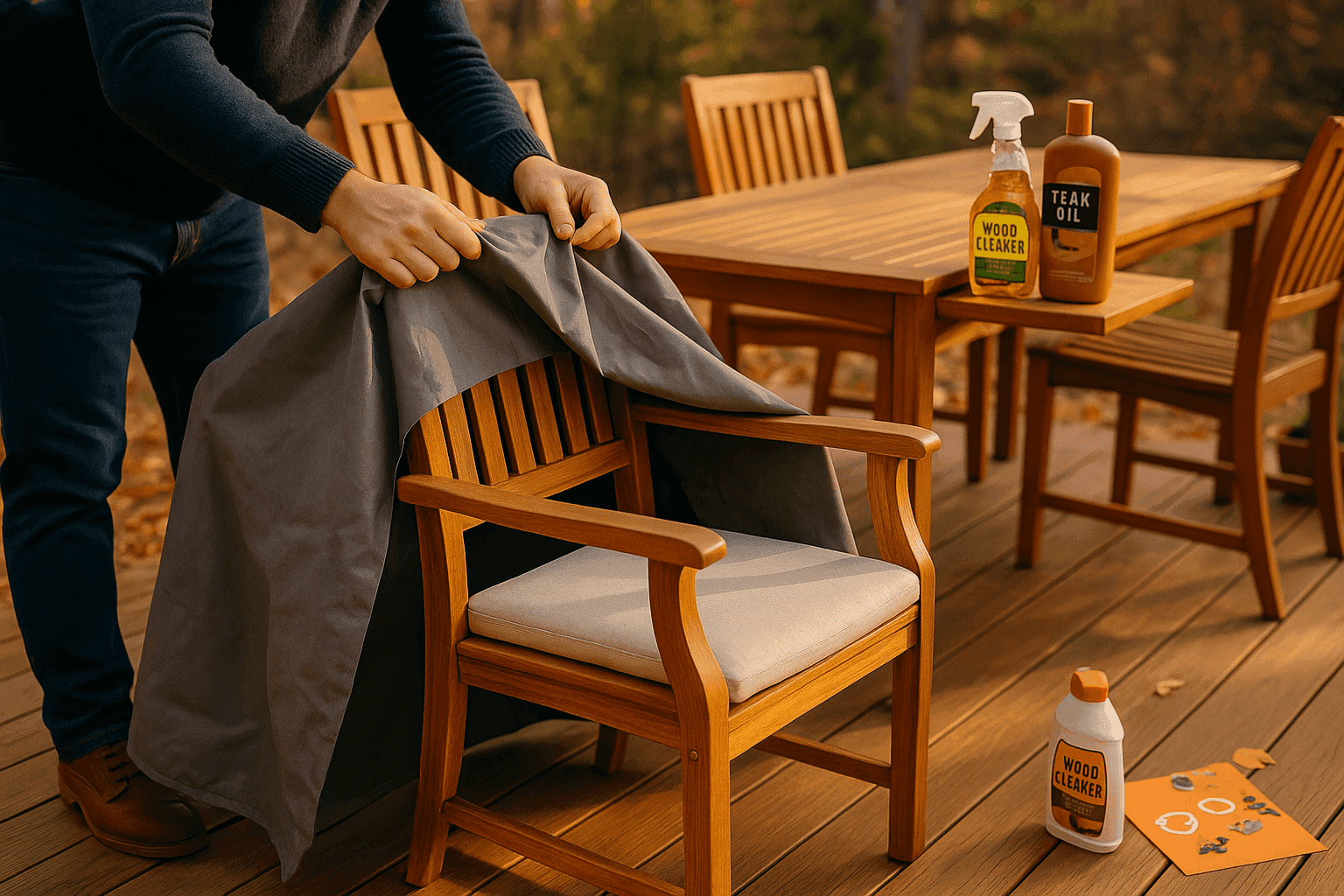
Outdoor furniture represents a significant investment in your home's living space, but winter weather can absolutely destroy even high-quality pieces if you don't take proper protective measures before the harsh season arrives. I've seen too many friends replace entire patio sets because they skipped winterization, watching in frustration as wood warped, metal rusted, cushions molded, and wicker cracked after just one brutal winter of neglect. The good news is that proper seasonal care takes just one afternoon and costs under $50 in supplies, yet it can easily add five to ten years to your furniture's lifespan—that's potentially saving you hundreds or even thousands of dollars in replacement costs. This maintenance routine combines thorough cleaning to remove damaging dirt and moisture, protective treatments that seal surfaces against the elements, and quality covers that create a weatherproof barrier during months of snow, ice, and freezing temperatures. Whether you have a modest bistro set or an entire outdoor living room, taking these steps now means you'll uncover beautiful, ready-to-use furniture next spring instead of discovering cracked, faded, or corroded pieces that need replacing.
Winterization Supplies
- Cleaning Materials:
- Mild dish soap or specialized outdoor furniture cleaner ($5-8)
- Soft-bristle brush for scrubbing ($4-6)
- Garden hose with spray nozzle
- Microfiber cloths or old towels for drying
- Bucket for mixing cleaning solution
- Protective Treatments (Material-Specific):
- Teak oil or wood sealer for wooden furniture ($12-18)
- Metal polish and rust inhibitor for metal pieces ($8-12)
- Wicker sealer or clear polyurethane spray ($10-15)
- Fabric protector spray for cushions ($8-12)
- Storage and Protection:
- Heavy-duty waterproof furniture covers sized for your pieces ($20-40)
- Bungee cords or tie-downs to secure covers ($5-8)
- Moisture absorber packets for enclosed storage ($6-10)
- Plastic bins for cushion storage (if bringing indoors, $10-15)
- Tools:
- Paintbrush or foam brush for applying sealers
- Sandpaper (fine grit) for smoothing wood
- Clean rags for applying oils and polishes
- Vacuum with upholstery attachment for cushions
Winterization Process
- Deep Clean Everything: Mix mild soap with warm water and thoroughly scrub all furniture surfaces to remove dirt, pollen, bird droppings, and organic matter that can cause staining or deterioration—these contaminants trap moisture against surfaces and accelerate damage during winter months.
- Rinse and Dry Completely: Spray down all pieces with your garden hose to remove all soap residue, then use towels to dry surfaces thoroughly and let everything air-dry in the sun for several hours—any trapped moisture will freeze, expand, and cause cracking or rust once temperatures drop.
- Inspect for Damage: Check each piece carefully for loose screws, cracked welds, splintered wood, torn fabric, or rust spots that need addressing now rather than discovering them next spring—small repairs done today prevent major replacements tomorrow.
- Apply Protective Treatments: Based on your furniture materials, apply appropriate sealers or protectants—teak oil for wood, rust inhibitor for metal, polyurethane for wicker, and fabric protector for cushions—allowing each treatment to dry completely per manufacturer instructions before moving to the next step.
- Store Cushions Properly: Bring all cushions, pillows, and fabric accessories indoors to a dry basement, garage, or storage area, stacking them in sealed plastic bins with moisture absorber packets to prevent mildew growth during humid winter months.
- Position for Drainage: If leaving furniture outside, tilt tables slightly and turn chairs upside down or on their sides so water, snow, and ice can drain off rather than pooling on surfaces where it will freeze and cause damage to finishes and joints.
- Cover Securely: Drape heavy-duty waterproof covers over furniture, ensuring they extend all the way to the ground and using bungee cords or ties to secure them against wind—covers should be snug but not so tight that they trap moisture underneath.
- Create Ventilation: Leave small gaps at the bottom of covers or prop them up slightly with blocks to allow air circulation that prevents condensation buildup—trapped moisture under covers can actually cause more damage than leaving furniture uncovered in some climates.
Professional outdoor designers swear by the "spring prep in fall" strategy that most homeowners overlook. Before covering your furniture for winter, take photos of your entire patio layout from multiple angles and sketch a quick diagram showing exactly where each piece sits—this documentation makes spring setup incredibly fast and helps you remember that perfect arrangement you spent all last May tweaking. Even better, use this winterization session to identify pieces that didn't get much use this season and consider selling or donating them before storing, since you're already doing the work of moving everything around. For expensive teak or high-end metal furniture, go beyond basic covers and create a protected "furniture garage" using a portable canopy or large tarp structure supported by stakes—this roof-style protection sheds snow and rain while allowing crucial air circulation underneath. If you live in an area with severe winters and have storage space available, bringing furniture completely indoors always beats even the best covers, and a climate-controlled garage or basement means you can skip most protective treatments since pieces won't face any weather exposure at all.