Prevent Freeze Damage With Proper Outdoor Spigot Winterization
Disconnect hoses, drain pipes, and add insulated covers to avoid costly repairs
Every winter, thousands of homeowners discover the hard way that frozen outdoor spigots can cause catastrophic pipe bursts that flood basements, destroy drywall, and generate repair bills reaching thousands of dollars—all from neglecting a simple 20-minute winterization task that costs under $15 in supplies. The physics of freeze damage is straightforward and brutal—when water freezes inside pipes, it expands with enough force to split copper, crack PVC, and rupture brass fittings, and the real disaster happens when temperatures rise and all that ice melts, releasing torrents of water inside your walls where you can't see the problem until serious damage has occurred. This essential fall maintenance project involves disconnecting all garden hoses, completely draining outdoor water lines, and installing insulated protective covers over exposed spigots before the first hard freeze arrives in your area. What makes this task so critical is its asymmetric risk-reward ratio—spending 20 minutes and $15 now prevents potential damage costing $2,000-5,000 in emergency plumbing repairs, water damage restoration, and the massive inconvenience of having your home torn apart in the middle of winter to fix burst pipes. I'm passionate about getting this message out because it's genuinely one of the easiest ways to protect your home investment, yet it's frequently overlooked until disaster strikes and homeowners learn this expensive lesson the hard way. The timing matters enormously—you need to winterize before overnight temperatures drop below freezing, which means late October to early November in most regions, giving you a narrow window to complete this quick but crucial task.
Winterization Supplies
- Protective Covers:
- Insulated outdoor faucet covers (one per spigot, $3-5 each)
- Or foam faucet socks ($2-3 each, less protection)
- Weatherproof tape to secure covers ($3-4)
- Bungee cords or zip ties for extra security ($3-5)
- Optional Upgrades:
- Pipe insulation for exposed sections ($8-12)
- Heat cable for vulnerable pipes ($15-25)
- Indoor shut-off valve (if not already installed, $8-15)
- Vacuum breaker or backflow preventer ($10-15)
- Basic Tools:
- Adjustable wrench for tight connections
- Bucket for catching drainage water
- Towels or rags for cleanup
- Flashlight for accessing dark areas
- What to Check:
- All exterior hose connections (front, back, sides)
- Garage or shed spigots
- Detached building water connections
- Irrigation system connections
- Outdoor showers or utility sinks
Winterization Process
- Disconnect All Hoses: Remove every garden hose from outdoor spigots regardless of whether you think they're important, because even one forgotten hose left attached can trap water that freezes and damages pipes—drain hoses completely and store them coiled in a garage or shed for winter.
- Locate Indoor Shut-Off: Find the indoor shut-off valve that controls each outdoor spigot (typically in your basement, crawl space, or utility room near where the pipe exits to the exterior), identifying which valve controls which outside faucet if you have multiple—label these now for easy identification in emergencies.
- Close Indoor Valves: Turn the indoor shut-off valve(s) clockwise to fully close them, cutting off water supply to outdoor spigots—this prevents any water from entering the exterior portion of pipe that's vulnerable to freezing temperatures once you've drained it.
- Open Outdoor Spigots: Go outside and open all exterior faucets fully to allow any trapped water to drain out—leave these open throughout winter because an open faucet allows any remaining moisture to expand safely rather than building pressure that splits pipes when temperatures drop.
- Drain the Lines Completely: If your indoor shut-off valve has a small drain cap or bleeder valve, place a bucket underneath and open it to drain any water remaining in the pipe between the shut-off and exterior spigot—this complete drainage is crucial since even a small amount of trapped water can cause freeze damage.
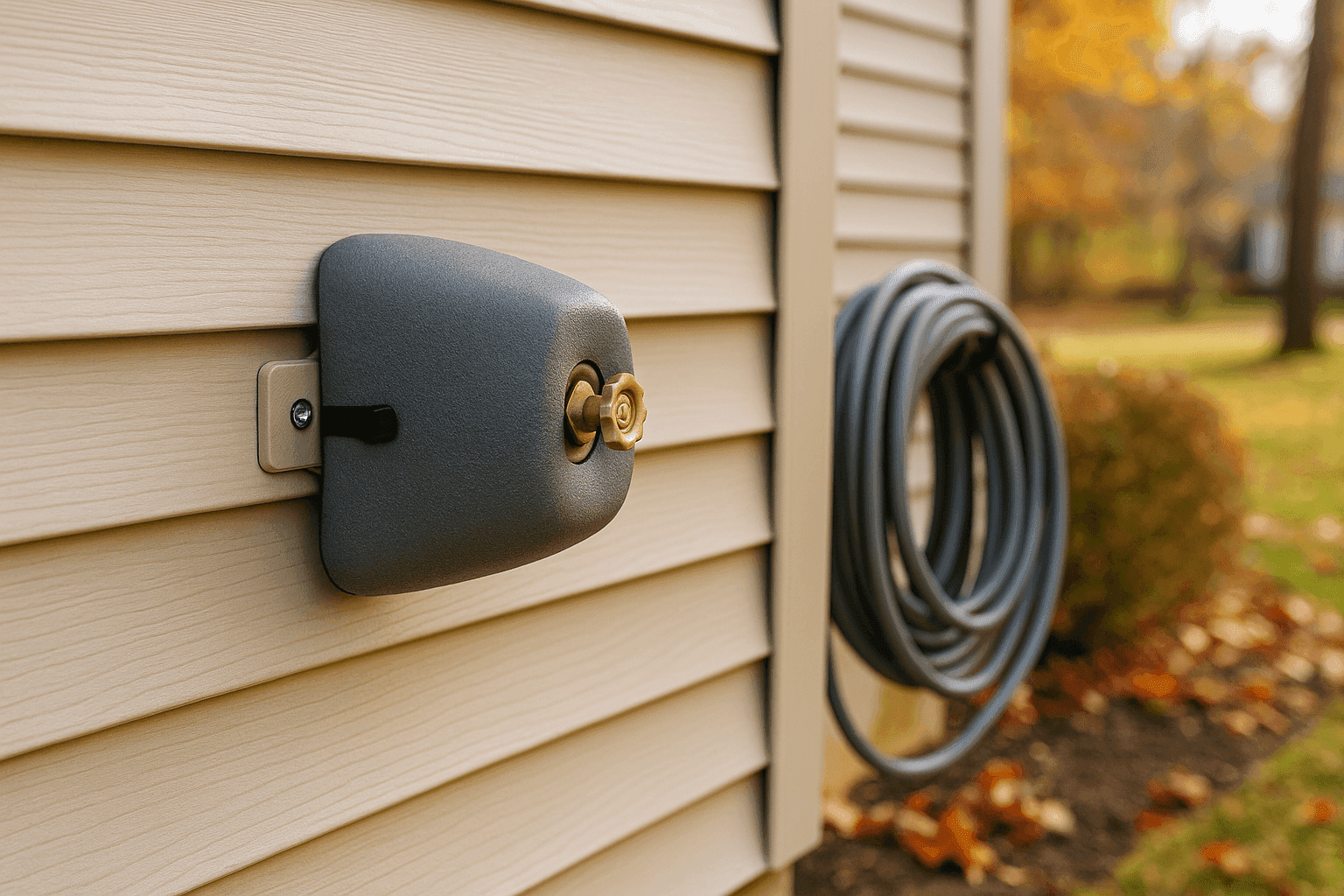
- Install Insulated Covers: Place insulated foam covers over each outdoor spigot, ensuring they fit snugly around the faucet and against the wall with no gaps where cold air can penetrate—secure covers with attached drawstrings, weatherproof tape, or zip ties so winter winds can't dislodge them.
- Protect Exposed Pipes: Add pipe insulation to any exposed sections of water pipe in unheated areas like garages, crawl spaces, or outdoor sections visible before pipes enter the wall—these vulnerable spots need protection even though they're not the spigot itself since freezing can occur anywhere along the line.
- Document and Mark: Take photos of your completed winterization setup, note the date in your phone calendar for next year's reminder, and consider placing a sticky note on your water heater or main shut-off reminding you not to turn outdoor water back on until spring—these memory aids prevent accidental mid-winter reactivation that defeats your protection.
Professional plumbers know that the gold standard for freeze protection is upgrading to frost-free outdoor faucets that cost $25-40 each and prevent problems before they start. These specialized spigots have shut-off valves located 6-12 inches inside your heated wall rather than right at the outdoor opening, meaning the valve mechanism stays warm even when outside temperatures plummet. When you turn off a frost-free spigot, water drains automatically from the long stem back into your home, leaving the exterior portion completely dry with no water to freeze. This upgrade typically costs $100-150 for professional installation per spigot but provides absolute peace of mind and eliminates the need for annual winterization rituals. If you're keeping standard spigots, the advanced protection strategy involves installing both an insulated cover AND wrapping the first few feet of visible pipe inside your basement or crawl space with heat cable that plugs in and maintains just-above-freezing temperatures during cold snaps. This belt-and-suspenders approach costs about $30 per spigot but protects against the scenario where your insulated cover shifts or fails and freezing temperatures penetrate deeper than expected. The calendar trick that ensures you never forget this task is scheduling it for the same weekend you change your clocks back to standard time in fall—this reliable annual reminder naturally falls in the right timeframe for most climates and creates an easy mental association between fall time change and outdoor faucet protection that becomes automatic habit after a few years.