Preserve Spring's First Blooms in Laminated Flower Bookmarks
Turn fleeting garden moments into keepsakes you'll actually use every day
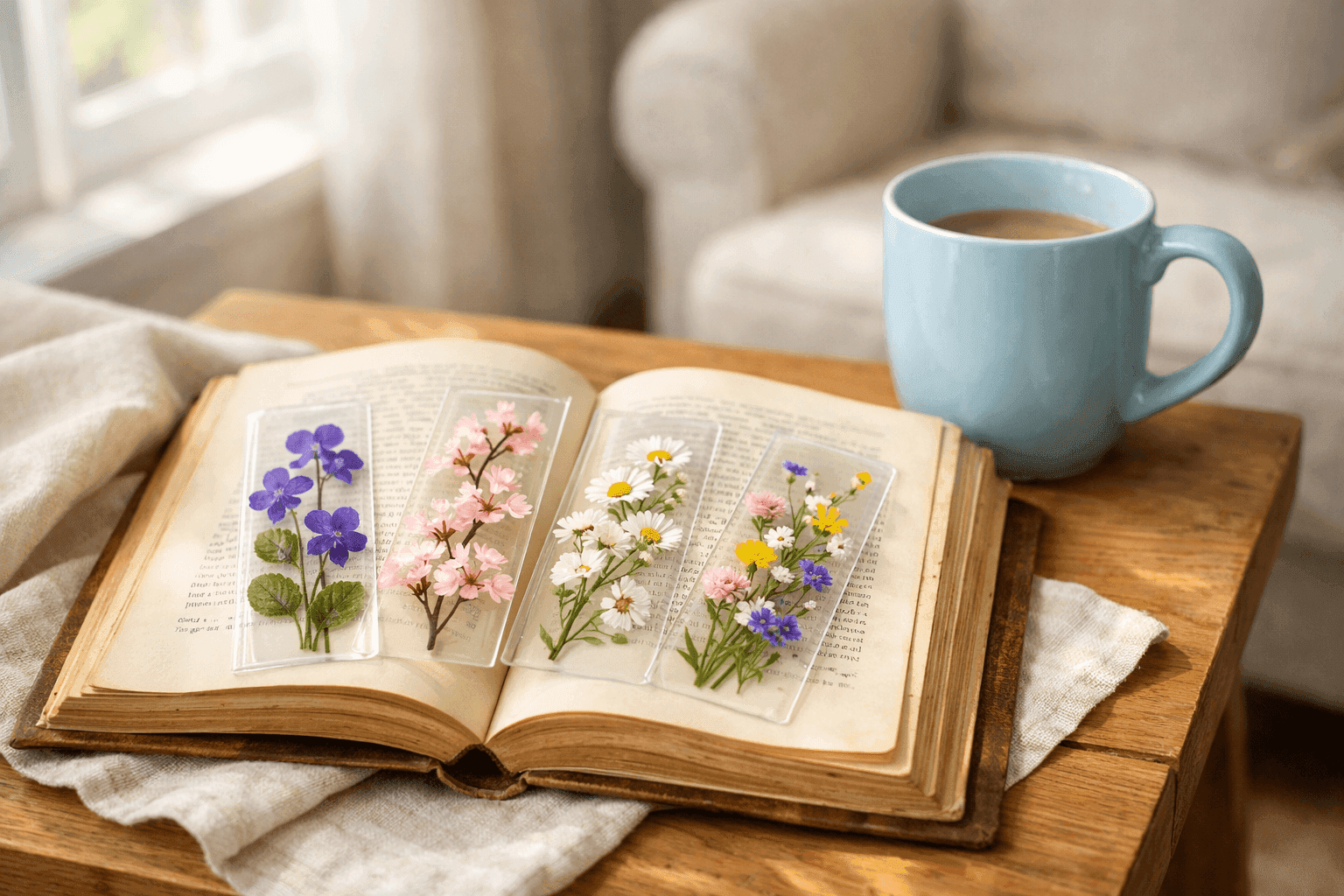
There's something bittersweet about watching spring's first blooms fade after just a few days, knowing you won't see those exact violets or cherry blossoms again until next year. Pressing flowers between wax paper and laminating them creates permanent bookmarks that capture these fleeting moments in a form you'll see and appreciate throughout the year rather than tucked away in a forgotten scrapbook. I started making these after realizing I was taking dozens of flower photos on my phone that I never looked at again, and transforming actual blooms into functional bookmarks feels so much more meaningful than digital images. The process is meditative and surprisingly simple—you're basically creating botanical art with supplies you probably already have or can grab for under $15. These make thoughtful gifts that feel deeply personal, or keep them all for yourself as little reminders of spring's beauty during the darker months ahead.
What You'll Need
- Fresh spring blooms: Violets, pansies, small wildflowers, cherry blossoms, or any delicate flowers with relatively flat profiles (gather from your garden or yard)
- Wax paper: Standard kitchen wax paper roll ($2-3)
- Heavy books: Several thick hardcover books or one very heavy book like a dictionary or encyclopedia (use what you own)
- Self-laminating sheets: Letter-size adhesive laminating pouches, no machine needed ($6-8 for 10-20 sheets)
- Scissors: For cutting bookmarks to size
- Hole punch (optional): For adding ribbon or tassel ($3-5)
- Ribbon or embroidery floss (optional): For decorative bookmark tassels ($2-4)
- Paper towels: For absorbing moisture during pressing
Step-by-Step Instructions
- Harvest flowers carefully on a dry morning after dew has evaporated, selecting blooms that are fresh but fully open—avoid wilted or damaged flowers as imperfections will be preserved forever
- Prepare your pressing station by laying out wax paper sheets and arranging flowers face-down with petals gently spread flat, leaving at least an inch of space between each bloom to prevent touching
- Cover with more wax paper and sandwich the whole arrangement between layers of paper towels, which will absorb moisture released during pressing without sticking to delicate petals
- Stack heavy books on top of your flower sandwich, using at least 20-30 pounds of weight to ensure even, thorough pressing that removes all moisture and flattens blooms completely
- Wait patiently for 7-10 days without disturbing the setup—resist the urge to peek, as moving flowers mid-process can cause wrinkling or tearing of fragile petals
- Arrange pressed flowers on one half of your self-laminating sheet in bookmark-sized sections approximately 2x6 inches, experimenting with layouts before removing the adhesive backing
- Seal and laminate by carefully peeling back the protective sheet and folding the laminating pouch over your arrangement, smoothing from center outward to eliminate air bubbles
- Cut out bookmarks using scissors, leaving a small border around each flower arrangement, then punch holes at the top and add ribbon tassels if desired for a finished, professional look
Professional botanical artists often press flowers with stems and leaves attached for more naturalistic compositions, then trim them during the layout phase to create balanced designs with movement and visual interest. You can also add handwritten notes, dates, or location labels using archival ink pens before laminating, transforming simple bookmarks into documented memories of specific garden moments or meaningful occasions. For particularly special blooms like wedding flowers or memorial garden plantings, consider creating matching sets—one bookmark to use, one to frame, and extras to gift to people who shared that moment with you. The key to vibrant color retention is pressing flowers as quickly as possible after picking and storing finished bookmarks away from direct sunlight, which can fade even laminated flowers over time. Flowers with naturally flat profiles like pansies and violets work best for beginners, while roses and other thick blooms require more advanced pressing techniques to prevent browning.