Preserve Garden Tools: Winter Care That Ensures Spring Readiness
Protect your gardening investment with proper cleaning, sharpening, and storage techniques
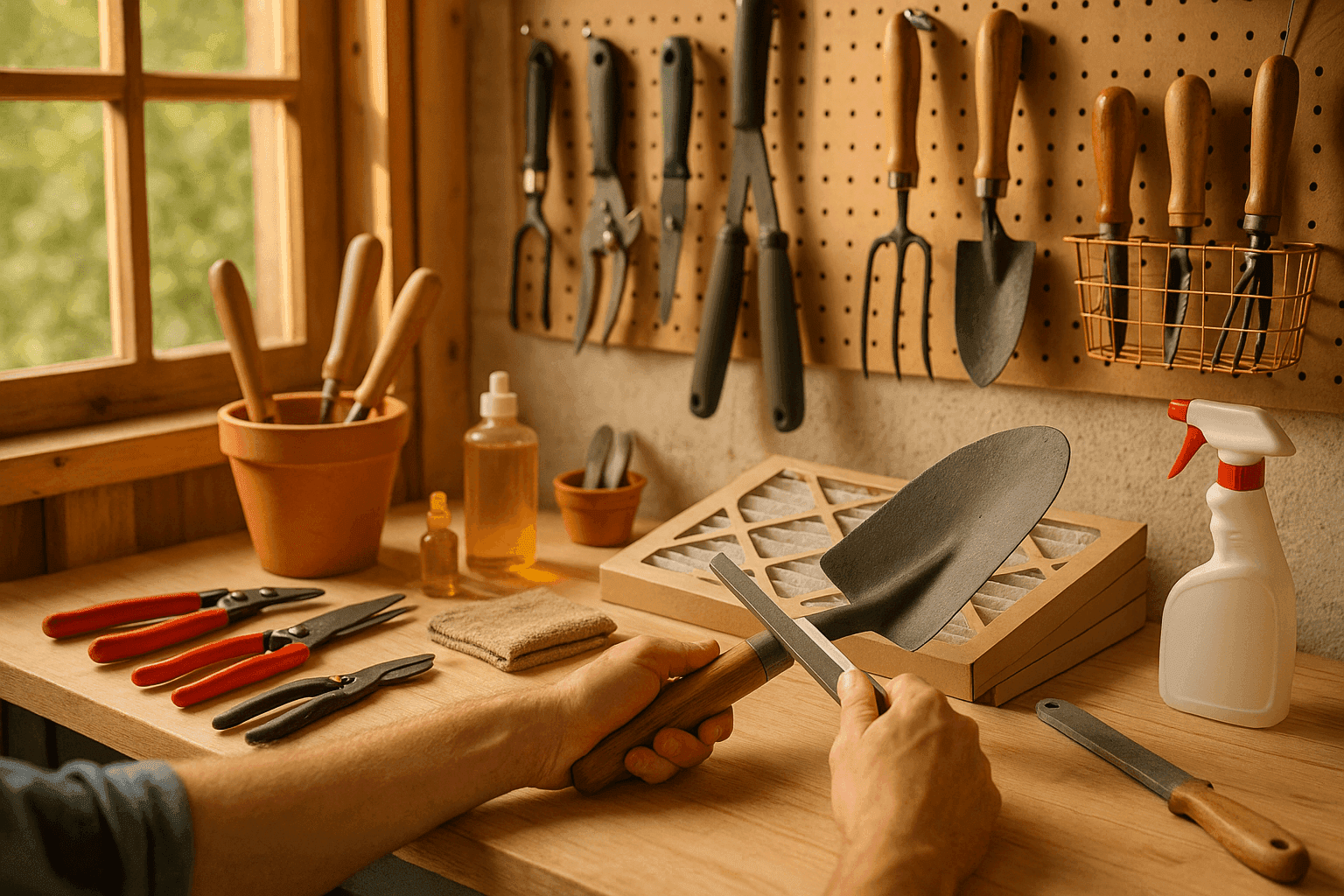
Quality garden tools represent a significant investment that can last decades with proper care or deteriorate into rusted, dull frustrations after just one winter of neglect in a damp garage or shed. The difference between tools that perform reliably season after season versus those that require constant replacement comes down to a few hours of fall maintenance that cleans away corrosive soil, sharpens dulled edges, and protects metal surfaces from moisture damage during storage. This essential end-of-season ritual not only preserves your financial investment but ensures you're ready to hit the ground running when spring planting season arrives, rather than wasting precious gardening time dealing with stuck blades, rusted handles, and equipment that no longer functions properly. Professional gardeners treat tool maintenance as non-negotiable because they understand that well-maintained equipment makes every garden task easier, faster, and more enjoyable.
Maintenance Supplies
- Cleaning Materials: Wire brush, steel wool, bucket of soapy water, garden hose, old towels for drying
- Sharpening Tools: Mill file or hand-held sharpener, sharpening stone, safety gloves, eye protection
- Preservation Products: Linseed oil or mineral oil for metal, boiled linseed oil for wood handles, WD-40 or penetrating oil
- Rust Prevention: Naval jelly for existing rust, rust-preventive spray, silicone spray for moving parts
- Storage Solutions: Tool rack or pegboard, hooks for hanging, sand bucket with oil for blade storage
Preservation Process
- Remove all dirt and debris using wire brush and soapy water, paying special attention to blade edges and joints
- Treat any rust spots with naval jelly or steel wool before it spreads and causes permanent damage
- Dry tools completely with towels, then allow to air dry thoroughly before applying oils
- Sharpen all cutting edges using appropriate files at correct angles for each tool type
- Oil metal surfaces with linseed or mineral oil, creating protective barrier against moisture and oxidation
- Treat wooden handles with boiled linseed oil to prevent drying, cracking, and splintering during storage
- Lubricate moving parts on pruners and shears with penetrating oil for smooth spring operation
- Store properly by hanging tools or placing in dry location, never in contact with damp floors
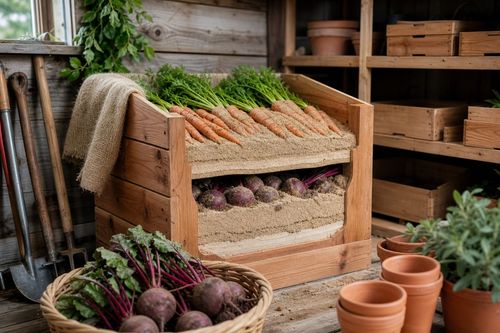
Master gardeners create a "sand bucket" for storing shovels, hoes, and other digging tools – fill a 5-gallon bucket with sand mixed with used motor oil or mineral oil, then plunge clean, sharpened tools into the sand for winter storage. This technique keeps blades rust-free and sharp while making them self-cleaning when removed in spring. For pruning tools, apply a thin coat of camellia oil rather than standard oils – it's food-safe and won't harm plants if any residue remains when you start pruning again. The key to preventing handle splinters is sanding rough spots smooth before oiling, creating a surface that's pleasant to grip season after season.