Prep Your Oven Now to Avoid Thanksgiving Disasters
Deep clean, test accuracy, and fix door seals before your oven works overtime on turkey day
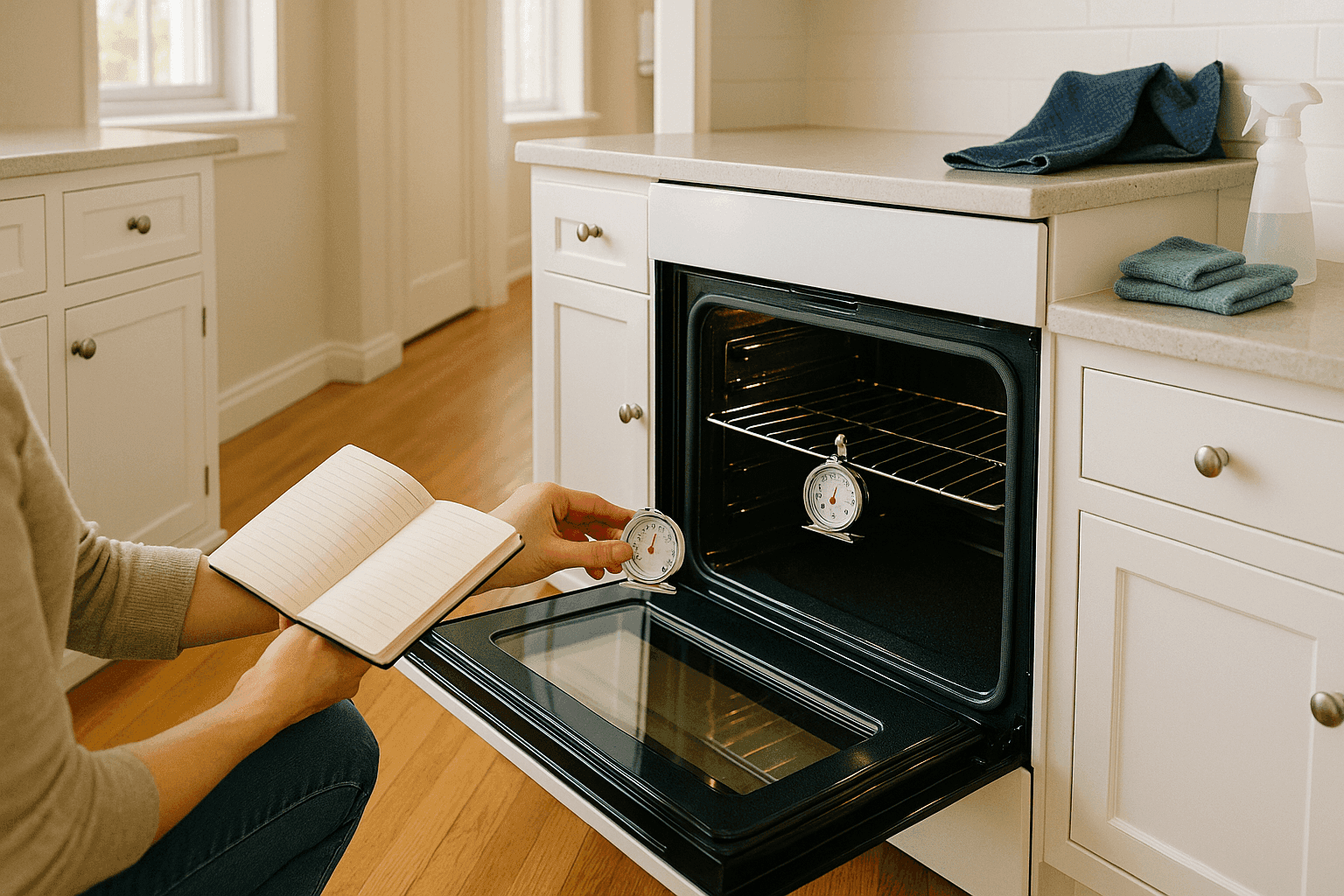
I learned the hard way that oven maintenance matters when my Thanksgiving turkey took an extra 90 minutes to cook because my oven was running 50 degrees cooler than the display claimed—a disaster narrowly averted by frantic temperature adjustments and hungry relatives wondering when dinner would be ready. Your oven is about to work harder on Thanksgiving than any other day of the year, cycling between different temperatures for hours while juggling turkey, sides, and pies, so making sure it's clean, accurate, and properly sealed now prevents catastrophic failures when you're already stressed and on a tight schedule. This maintenance routine takes about two hours spread over a couple days and costs maybe $20 if you need to replace door seals, but the peace of mind knowing your oven will perform reliably when it matters most is genuinely priceless. Beyond avoiding turkey-day disasters, a properly maintained oven cooks more efficiently and evenly throughout the year, saving energy and improving results on everyday meals too—this isn't just holiday prep, it's smart home maintenance that pays ongoing dividends.
What You'll Need
- Cleaning Supplies:
- Oven cleaner spray (or baking soda paste for natural option)
- Heavy-duty rubber gloves
- Scrub brushes and scouring pads
- Microfiber cloths and paper towels
- Bucket of warm soapy water
- Testing Equipment:
- Oven thermometer (essential for accuracy check)
- Timer or stopwatch
- Notepad for recording temperature readings
- Flashlight for inspecting interior
- Repair Materials:
- Replacement door seal/gasket if needed
- Screwdriver for removing oven door
- Utility knife for removing old seal adhesive
- High-temp adhesive if seal isn't self-adhesive
- Total Cost: $0-25 depending on repairs needed
Maintenance Steps
- Run self-clean cycle if your oven has this feature by removing all racks and running the cycle when you can be home to monitor, since the high heat (800-900°F) burns off years of accumulated grease and food residue. Open windows for ventilation as the burning creates smoke and odors—plan this for a day when you won't need the oven for several hours.
- Deep clean manually if no self-clean option by coating interior surfaces with oven cleaner or thick baking soda paste, letting sit for several hours or overnight, then scrubbing thoroughly with brushes and hot soapy water. Pay special attention to corners, heating elements, and the often-neglected area between the door glass where crumbs accumulate.
- Clean oven racks separately by soaking them in bathtub or large utility sink with hot water and dish soap for several hours, then scrubbing with steel wool or heavy-duty pads. This separate treatment gets racks truly clean without scratching your oven's interior porcelain coating.
- Test temperature accuracy by placing an oven thermometer on the center rack, preheating to 350°F, and comparing the thermometer reading to your oven's display after 30 minutes of stable heating. If readings differ by more than 25 degrees, your oven needs calibration or professional service before holiday cooking.
- Inspect door seal by examining the rubber gasket around the oven door for cracks, tears, gaps, or areas where it's pulled away from the frame. A damaged seal allows heat to escape, making your oven work harder and cook less efficiently—you're literally paying to heat your kitchen instead of your food.
- Replace worn seals if inspection reveals damage by ordering the correct replacement gasket for your oven model (check manufacturer's website or appliance parts stores), removing the old seal, cleaning the channel thoroughly, and pressing or gluing the new seal into place following manufacturer instructions.
- Check door alignment by closing the door and looking for even gaps all around the perimeter—uneven spacing indicates hinges need adjustment or replacement. A properly aligned door with good seal should close firmly without gaps that let you see interior light from outside.
- Test bake something after cleaning and any repairs by baking a batch of cookies or simple cake to verify even heating and proper temperature throughout the oven cavity. This trial run reveals hot spots or problems before you're juggling critical holiday dishes with no time to troubleshoot.
Professional appliance technicians have insider knowledge about oven calibration that most homeowners don't know—if your oven consistently runs hot or cold, many models have built-in calibration adjustments you can make yourself without calling for service. Check your owner's manual for calibration instructions, which typically involve accessing a hidden settings menu and adjusting the offset up or down in 5 or 10-degree increments. This DIY recalibration costs nothing and takes five minutes but solves temperature accuracy problems permanently. Appliance pros also recommend the "water test" for identifying hot spots: fill identical ramekins with equal amounts of water, place them around the oven on the same rack, heat to 350°F, and see which boils first—this reveals uneven heating that might require element replacement. Finally, if you're investing in oven maintenance before the holidays, consider this the perfect time to replace your oven light bulb if it's burned out or dimming, since you'll need good visibility to monitor multiple dishes during your Thanksgiving cooking marathon.