Post-Thanksgiving Oven Rescue Gets You Holiday-Ready
Deep clean your battle-worn oven now so December's holiday baking marathon starts with a spotless appliance
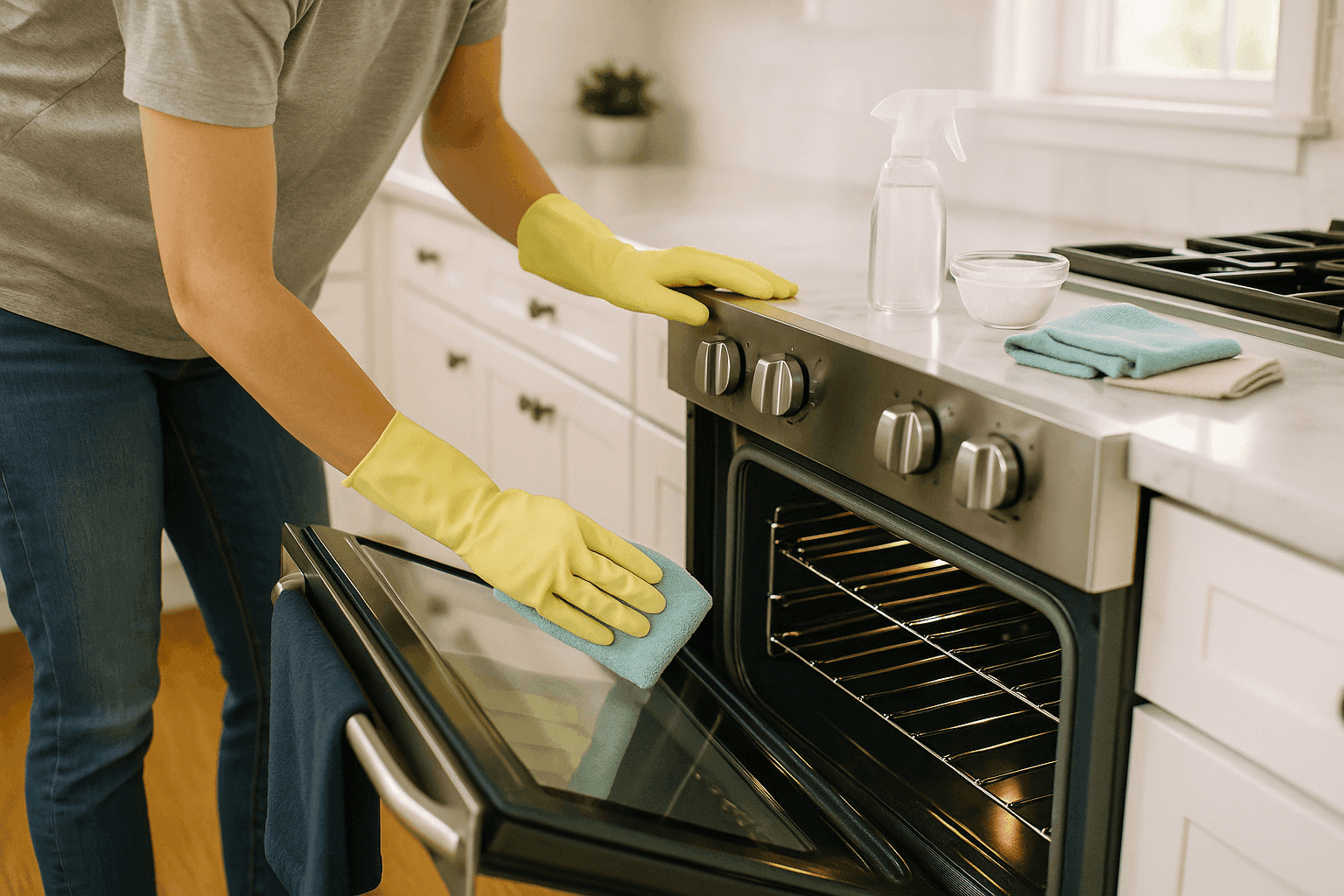
The Friday after Thanksgiving, when you finally open your oven door and confront the splattered grease, baked-on drips, and that mysterious dark substance that wasn't there before turkey day—that's the moment when deep cleaning feels less like chore and more like necessary therapy for both you and your appliance. Your oven just worked overtime producing an entire feast, and giving it proper attention now prevents those burnt-on splatters from becoming permanent fixtures that smoke through December's cookie baking and New Year's entertaining. This post-Thanksgiving cleaning ritual takes 2-4 hours depending on your method and mess severity, but starting December with a pristine oven genuinely improves both cooking results and your mental state when facing weeks of holiday baking ahead. I've tried both the self-clean cycle and natural cleaning methods over multiple years, and both work beautifully when done properly—the key is committing to thorough cleaning now rather than letting damage accumulate through another month of heavy use. Beyond the practical benefits of better heat distribution and eliminating smoke from burnt residue, there's psychological satisfaction in tackling this task while you're still in post-holiday recovery mode, checking one significant chore off your list before December's chaos begins in earnest.
What You'll Need
- For Self-Clean Cycle:
- Nothing except time and ventilation
- Open windows for smoke and odor
- 3-5 hours for complete cycle
- Microfiber cloths for wiping ash afterward
- For Natural Cleaning Method:
- Baking soda (1 cup)
- White vinegar in spray bottle
- Water for mixing paste
- Dish soap
- Large bowl for mixing
- Cleaning Tools:
- Heavy-duty rubber gloves
- Scrub brushes and scouring pads
- Microfiber cloths and paper towels
- Plastic scraper for stubborn spots
- Bucket of warm soapy water
- Old newspapers for protecting floor
- For Oven Racks:
- Bathtub or large utility sink
- Dish soap or degreaser
- Steel wool or heavy-duty pads
- Old towels to protect tub surface
- Total Cost: $0-10 depending on supplies you have
Deep Cleaning Steps
- Choose your method by considering oven age and condition—self-clean cycles work brilliantly for heavy buildup but are hard on older ovens and create intense smoke, while natural cleaning takes more elbow grease but offers gentler, fume-free results. When in doubt, check your owner's manual for manufacturer recommendations.
- Remove all racks before starting any cleaning method, taking them to your bathtub or utility sink for separate treatment. Racks need different cleaning than the oven interior and attempting to clean them in place creates frustrating obstacles and incomplete results.
- Run self-clean cycle if choosing that method by locking the oven door, opening windows for ventilation, and starting the 3-5 hour cycle when you can be home to monitor. The extreme heat (800-900°F) incinerates all organic material into ash you'll sweep out once cooled completely.
- Make baking soda paste for natural method by mixing 1 cup baking soda with enough water to create spreadable consistency like thick frosting. This alkaline paste breaks down grease and baked-on food without harsh chemical fumes—it just requires patience and time.
- Coat interior surfaces thoroughly with baking soda paste using gloved hands or a brush, covering every grimy spot but avoiding heating elements. Let sit overnight or minimum 12 hours—the longer it sits, the less scrubbing you'll do, so patience pays dividends here.
- Spray with vinegar after the waiting period, which creates foaming reaction that helps lift loosened grime and makes wiping easier. The chemical reaction between alkaline baking soda and acidic vinegar does cleaning work so your muscles don't have to.
- Scrub and wipe using damp cloths and scrub brushes to remove all paste and loosened debris, working in sections and rinsing tools frequently in warm soapy water. This step requires persistence but shouldn't require excessive force if you allowed adequate soaking time.
- Clean racks separately by soaking them in hot water with dish soap and degreaser for several hours, then scrubbing with steel wool or heavy-duty pads. Lay old towels in your tub first to protect the finish from scratches—learned that lesson the expensive way.
- Final polish by wiping all surfaces with clean water to remove any residue, then drying thoroughly with microfiber cloths. Pay special attention to door glass and window, which shows streaks mercilessly and affects your ability to monitor baking without opening the door.
- Replace racks and test once everything is completely dry by running the oven at 350°F for 15 minutes to burn off any remaining cleaning residue and verify proper function before your next baking session. You want to discover any issues now, not mid-cookie batch.
Professional appliance technicians and cleaning experts have insider knowledge about maintaining oven cleanliness that prevents this level of deep cleaning from being necessary as frequently. The single most effective prevention strategy is placing a large piece of aluminum foil or a commercial oven liner on the bottom rack (never directly on the oven floor, which blocks heat circulation) to catch drips before they bake onto surfaces. For spills that do occur, tackle them immediately while the oven is still warm—not hot—using a damp cloth and baking soda sprinkle, which prevents that initial baking-on that makes future cleaning exponentially harder. Professional kitchen managers swear by the "monthly maintenance" approach: quickly wipe down oven interior with warm soapy water once monthly even when it doesn't look particularly dirty, which prevents gradual buildup that eventually requires heroic deep cleaning efforts. For the door glass specifically, make a paste of baking soda and hydrogen peroxide instead of water for superior stain removal on that stubborn area between glass panels that seems impossible to reach. Finally, if you use your oven's self-clean function regularly, run it during mild weather when you can open windows widely and won't be tempted to run air conditioning or heating, which forces your HVAC to work against the intense heat being generated.