Playful Spaces: Creating the Ultimate Kids' Playroom
Design a fun, functional environment where imagination and creativity thrive
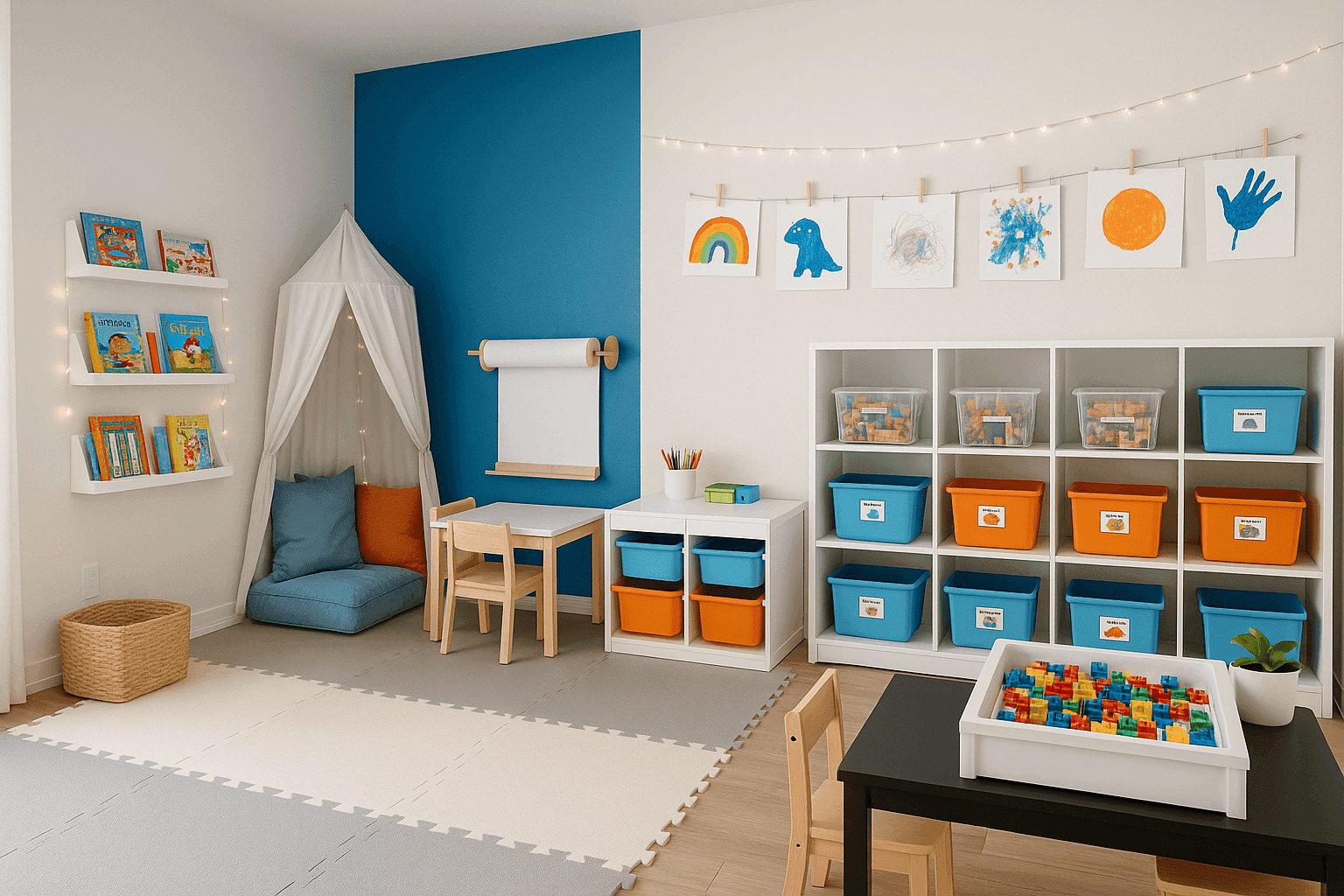
A well-designed playroom serves as both a creative outlet and organizational solution for family homes. By creating a dedicated space where children can explore, learn, and play freely, you'll not only nurture their development but also contain the inevitable toy chaos. The key to a successful playroom lies in thoughtful planning that balances stimulating design with practical storage, creating distinct activity zones that grow with your children and maintain adult aesthetic sensibilities.
Playroom Essentials
| • Flooring: Soft, washable surfaces like foam tiles or area rugs |
| • Storage: Labeled bins, cubbies, shelving, toy boxes |
| • Seating: Child-sized chairs, floor pillows, bean bags |
| • Activity Surfaces: Art tables, play tables, desks |
| • Wall Decor: Murals, decals, educational posters, artwork |
| • Display Space: Bookshelves, art display cables or boards |
| • Lighting: Natural light, ceiling fixtures, task lighting |
| • Activity Elements: Reading nook, craft station, building area |
Creating Activity Zones
- Assess available space. Measure your room and create a floor plan that maximizes the area while allowing for clear pathways between activity zones. Consider ceiling height for potential vertical play elements.
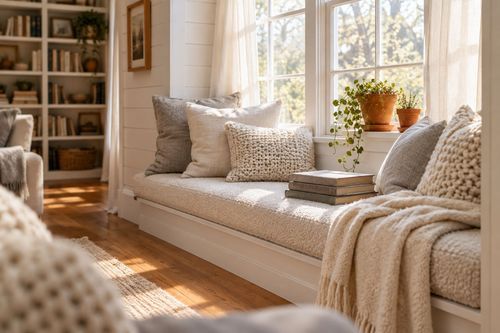
- Create a reading corner. Position a small bookcase with forward-facing shelves next to comfortable seating like floor pillows, a small sofa, or a bean bag chair. Add soft lighting and perhaps a canopy for a cozy feel.
- Design an art station. Set up a table with washable surface near storage for art supplies. Consider wall-mounted paper rolls, drying racks for artwork, and washable paint options for the surrounding area.
- Establish a building zone. Dedicate an area with a large flat surface for blocks, LEGO, and construction toys. Use storage bins with pictures or labels to encourage organization and sorting by type.
- Include imaginative play spaces. Create a flexible area for dress-up, pretend play, or fort building. A small tent, canopy, or playhouse can define this space while wall hooks display costumes and props.
- Incorporate active play. If space allows, designate an area for physical activity with options like a small climbing wall, tumbling mats, or a hanging swing. Ensure proper clearance and safety measures.
- Add display areas. Create places to showcase children's artwork and projects, such as a gallery wall with changeable frames, strings with clips, or magnetic boards.
- Consider technology. If including screens or digital learning tools, position them away from play areas and establish clear boundaries for usage.
When selecting a color scheme for your playroom, resist the urge to use every bright primary color. Instead, choose a neutral base with 2-3 accent colors that can be easily updated as children grow and tastes change. Incorporate color through easily replaceable items like pillows, rugs, and accessories rather than permanent elements. For maximum longevity, consider using more sophisticated hues rather than childish themes—teal instead of baby blue, mustard instead of bright yellow—which will transition smoothly as children age into tweens and teens.