Play & Stay: Creating Stylish Spaces Children Will Love and Use
Design smart, adaptable rooms that grow with your children while complementing your home's aesthetic
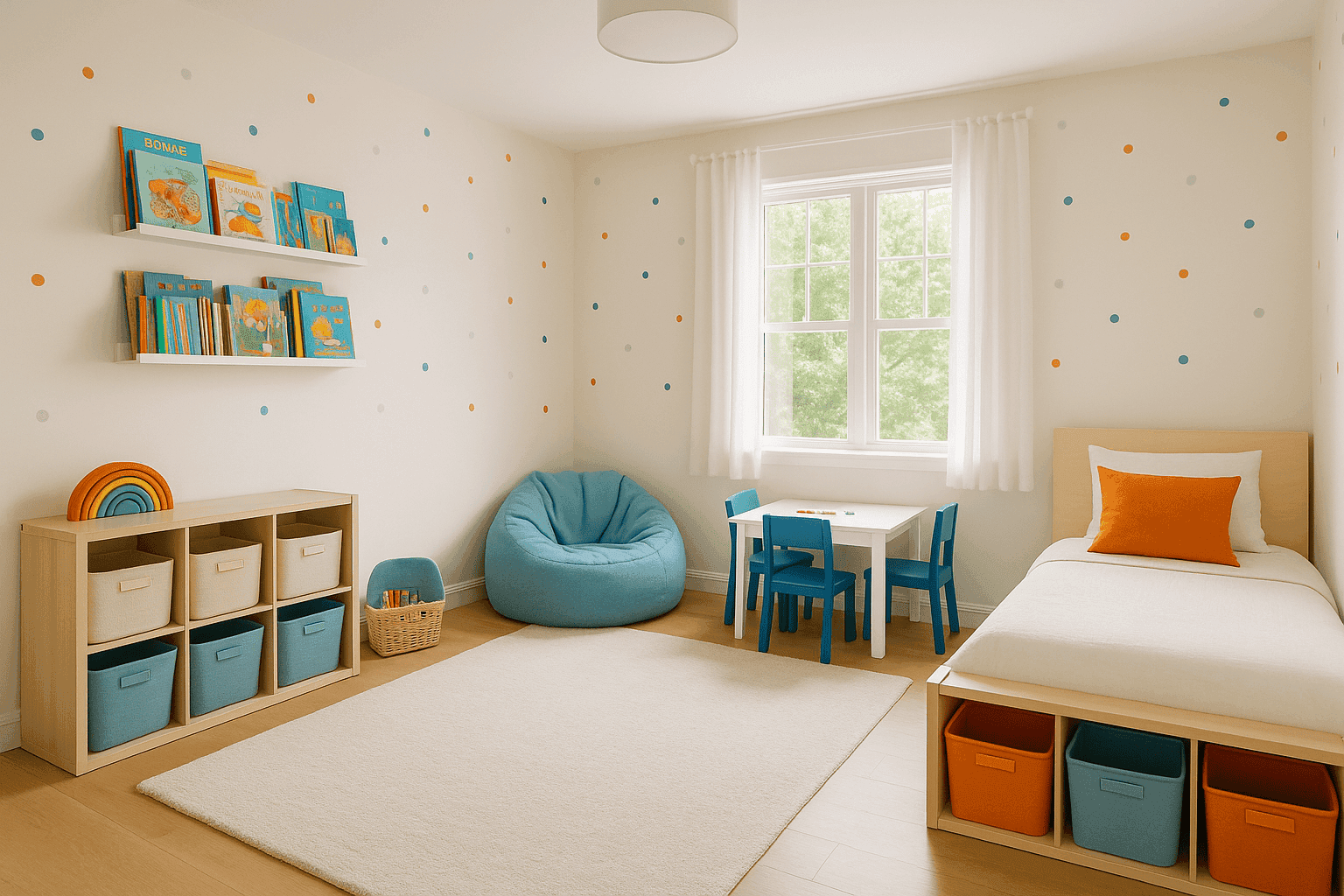
Designing spaces for children requires a delicate balance between creativity, practicality, and longevity. The goal isn't just to create rooms that look adorable in photos, but functional spaces that support play, learning, and rest while adapting to your child's rapidly changing needs. By focusing on flexible furniture, accessible storage, and thoughtful activity zones, you can create environments that inspire imagination while maintaining the design integrity of your home.
Key Design Elements
| • Child-height storage solutions |
| • Soft, washable textiles |
| • Designated activity zones |
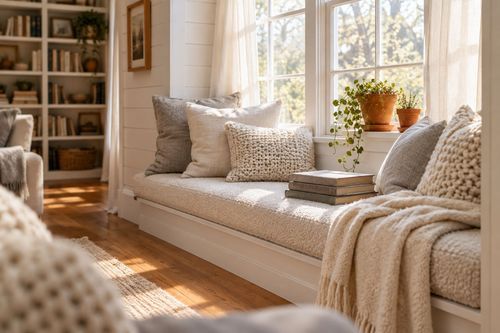
| • Reading nook with comfortable seating |
| • Flexible, multi-functional furniture |
| • Safe, rounded-edge furniture |
| • Colorful but cohesive palette |
| • Display space for artwork and creations |
Implementation Strategy
- Start with a neutral base: Choose neutral wall colors and larger furniture pieces that can adapt as your child's tastes inevitably change, then add personality through easier-to-swap accessories.
- Create accessible storage: Install low shelves, labeled bins, and hooks at child-height to promote independence and make cleanup manageable for little helpers.
- Design distinct zones: Establish separate areas for different activities—a creative corner with art supplies, a cozy reading nook with bookshelves, an active play space with open floor area.
- Prioritize comfort: Include soft elements like floor cushions, a plush rug, or a bean bag to create inviting spots for relaxation and imaginative play.
- Plan for growth: Invest in adjustable furniture (extendable beds, height-adjustable desks) and modular systems that can be reconfigured as needs change.
To create a kid-friendly space that still feels cohesive with the rest of your home, incorporate your main color palette in child-appropriate ways—if your home features navy blue, consider a lighter shade for children's spaces with pops of brighter complementary colors. For artwork display, install a gallery wall with frames that can be easily opened and updated as new masterpieces are created. In shared family spaces, use attractive lidded baskets that can quickly hide toys at adult gathering time. Remember that the most successful kid-friendly spaces incorporate elements of playfulness that adults can also appreciate.