Plate Display Magic: Turn Thrift Store Finds Into Wall Art
Create stunning vintage displays from $1-3 plates that look like carefully collected heirlooms
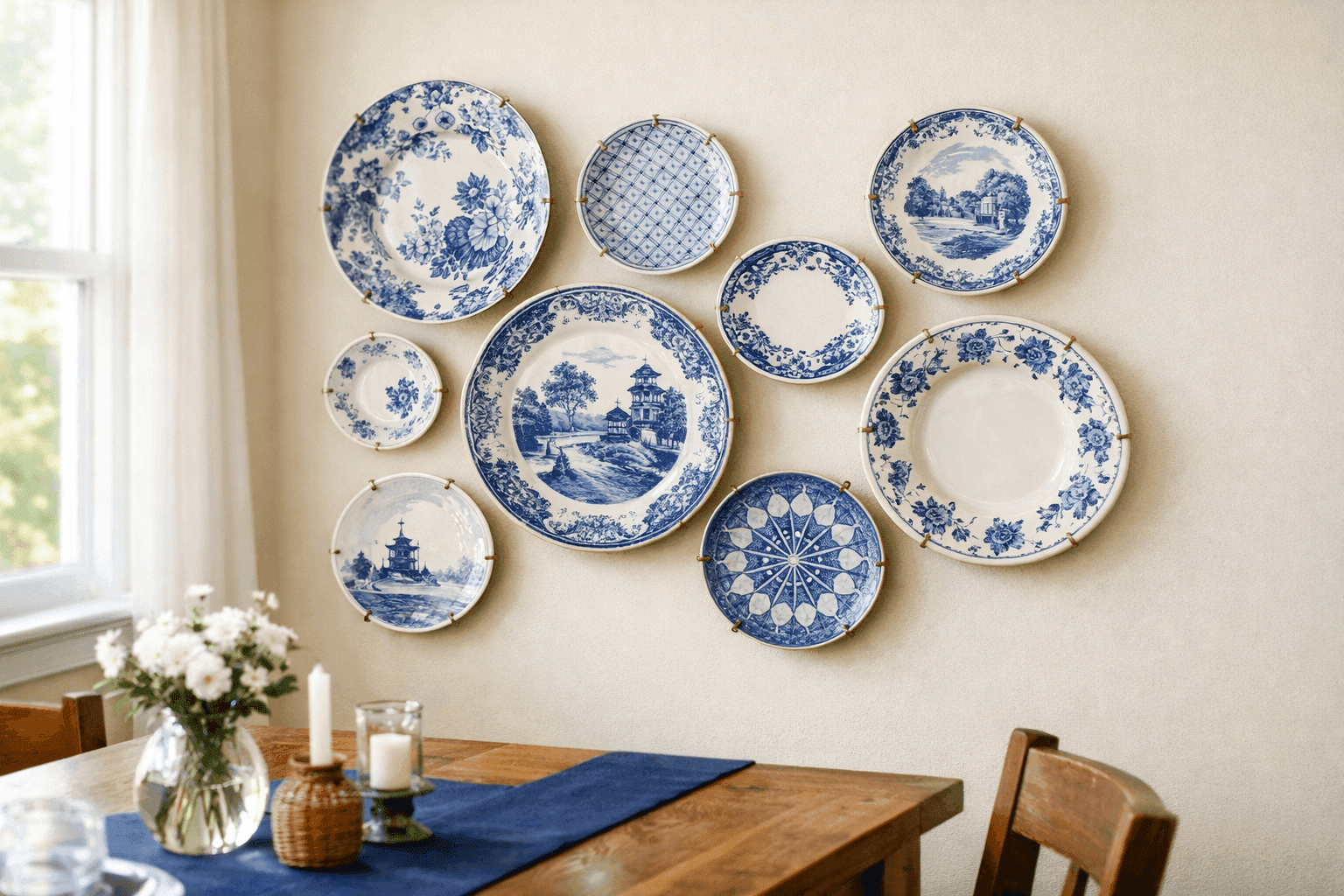
Those vintage plates sitting unwanted on thrift store shelves or gathering dust in your inherited dish collection contain unexpected potential as wall art that rivals expensive gallery pieces in visual impact. Store-bought wall art costs $50-200 for decent pieces that look mass-produced and generic, while creating a plate display costs $15-30 total for an installation that appears thoughtfully collected over time rather than bought in one shopping trip. Transforming plates into wall decor takes about an hour including thrifting and hanging, creating dimensional art with vintage charm that adds personality to dining rooms, kitchens, or even bathrooms where unexpected touches delight. The brilliant thing about plate walls is they work across design styles from farmhouse to traditional to eclectic, and mixing patterns becomes an asset rather than a mistake when you're treating dinnerware as decorative objects instead of functional dishes. This project combines sustainable repurposing with affordable decorating, proving that impactful wall art doesn't require expensive paintings when creativity transforms overlooked items into statement pieces.
What You'll Need
- Vintage Plates: 5-9 plates from thrift stores or inherited collections ($1-3 each)
- Plate Hangers: Disc-style or wire hangers sized for your plate diameters ($1 each)
- Wall Hardware: Picture hooks or nails appropriate for your wall type
- Planning Tools: Painter's tape for marking positions, measuring tape, level
- Pattern Selection: Cohesive theme like all blues, florals with geometrics, or whites with gold
- Layout Space: Floor area for arranging plates before committing to wall placement
- Time Investment: 1 hour including thrifting, hanger installation, and hanging
Step-by-Step Method
- Hunt thrift stores for plates with coordinating colors or patterns that share visual DNA even if not matching sets
- Select varied sizes from salad plates to dinner plates to chargers, creating dimensional interest through scale differences
- Attach plate hangers to backs following manufacturer instructions, ensuring secure grip that won't damage vintage patterns
- Arrange plates on the floor in your desired configuration—organic cluster, structured grid, or ascending by size—before touching the wall
- Photograph your floor arrangement so you have a reference when transferring to vertical wall placement
- Mark wall positions using painter's tape to visualize spacing before committing to nail holes
- Hang plates starting with the center or largest piece as an anchor, working outward while checking spacing feels balanced
- Step back frequently during installation to assess overall composition from viewing distance rather than focusing on individual plate placement
Interior designers recommend choosing plates with similar visual weight even if patterns differ—delicate floral china mixed with bold geometric patterns works when colors coordinate and scale is consistent. Also, odd numbers create more dynamic arrangements than even numbers; seven or nine plates feel more organic than six or eight which can appear too symmetrical. For cohesive collections, shop with a color swatch or photo of your room on your phone to ensure plates complement existing décor rather than clash with wall color or furniture. The most successful plate walls include at least one statement piece with bold pattern or color that anchors the arrangement, with quieter pieces supporting rather than competing. Consider the room's function when selecting plates—dining rooms suit formal china patterns, while kitchens work with more casual everyday designs, and bathrooms embrace unexpected whimsy. If hanging over furniture like a sideboard or console table, ensure the lowest plates sit 6-8 inches above the surface to prevent the display from feeling cramped. The beauty of plate walls is their flexibility; unlike framed art, you can easily rearrange plates or swap individual pieces when you find better options at thrift stores, keeping your wall art evolving rather than static.