Peaceful Practice: Paint Your Way to Calmer Moments
Create beautiful worry stones that soothe both during and after painting
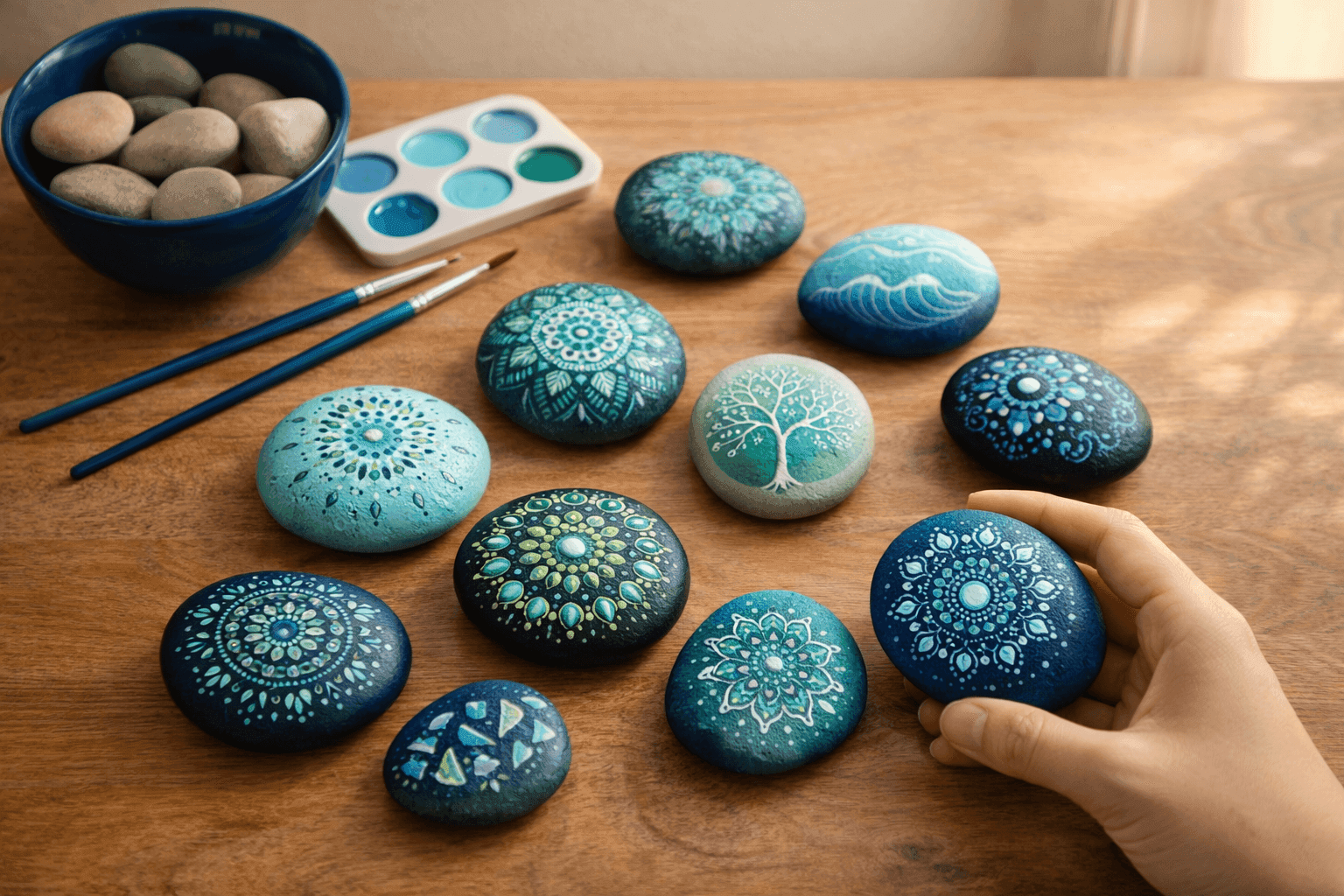
In our constantly connected, perpetually buzzing world, finding activities that genuinely quiet racing thoughts without requiring apps or subscriptions feels increasingly rare. Painting worry stones combines ancient tactile comfort with modern mindfulness practice, creating both a meditative process and a lasting tool for managing everyday stress. The smooth, cool weight of a river rock naturally grounds you in the present moment, while the focused attention required for detailed painting—whether intricate mandalas or simple affirmations—creates a flow state that gently pushes anxious thoughts aside. Unlike expensive meditation retreats or specialized stress-relief products, this practice costs under $15 for materials that create dozens of stones. Each one becomes a portable reminder that calm is accessible, fitting perfectly in your pocket for moments when you need tactile reassurance. The beauty of worry stones is they work twice: first during the therapeutic painting process itself, then again every time you reach for one during stressful moments and feel its smooth, painted surface under your thumb.
What You'll Need
- Stone Foundation (under $10):
- Smooth, flat river rocks 2-3 inches across
- Collect from nature walks or buy at craft stores
- Look for stones that feel good in your hand
- Painting Supplies:
- Acrylic paint in calming colors (blues, greens, purples)
- Fine-tip brushes for detail work
- White or light base coat paint
- Clear acrylic sealer spray or brush-on
- Design Tools:
- Dotting tools or toothpicks for mandala patterns
- Fine-tip paint pens (optional alternative to brushes)
- Pencil for sketching designs first
- Small palette or paper plate for mixing colors
Create Your Stones
- Select stones that feel naturally comfortable when held, with smooth surfaces that invite touch and flat bottoms that allow them to rest stably on surfaces when not in use.
- Wash each stone thoroughly with soap and water to remove dirt and oils, then dry completely—this preparation itself becomes the first step of your mindfulness practice as you slow down and focus.
- Apply a white or light-colored base coat to give your designs maximum vibrancy and coverage, letting each stone dry completely before adding decorative elements—patience is part of the process.
- Choose your design approach based on what calls to you: intricate mandala patterns for repetitive, meditative work, simple nature scenes that evoke calm, or hand-lettered affirmations that speak to your needs.
- Paint slowly and deliberately, treating each brushstroke as a meditation rather than rushing toward completion—the therapeutic benefit comes from the focused attention, not the finished product.
- Layer your designs thoughtfully, allowing each color to dry before adding the next, which naturally builds pauses into your practice and prevents muddy colors from diminishing your careful work.
- Seal finished stones with clear acrylic sealer once completely dry, protecting your artwork while maintaining the smooth surface that makes them effective tools for tactile comfort during stressful moments.
- Place completed worry stones where you'll encounter them naturally—on your desk, nightstand, in your pocket, or car cupholder—so they're accessible whenever anxiety rises and you need grounding.
Therapists who recommend worry stones suggest creating different designs for different needs: energizing sunrise gradients for morning motivation, cool blue mandalas for evening wind-down, or specific affirmations that address recurring anxious thoughts. Make this a regular practice rather than a one-time project—painting new stones monthly gives you both the ongoing therapeutic benefit of the activity and a growing collection to choose from based on your current emotional needs. Consider creating stones as gifts for friends going through difficult times, but only if the painting process itself brings you peace rather than feeling like an obligation. The act of rubbing your thumb across the smooth painted surface during stressful moments activates the same grounding effect as more formal meditation practices, making these tiny painted rocks surprisingly powerful tools for managing everyday anxiety in a world that constantly demands our attention.