Patch Things Up: Fix a Torn Screen in 10 Minutes
A $6 adhesive screen patch kit, ten minutes of your time, and the bug problem you've been ignoring all summer is solved — peel, press, smooth, done
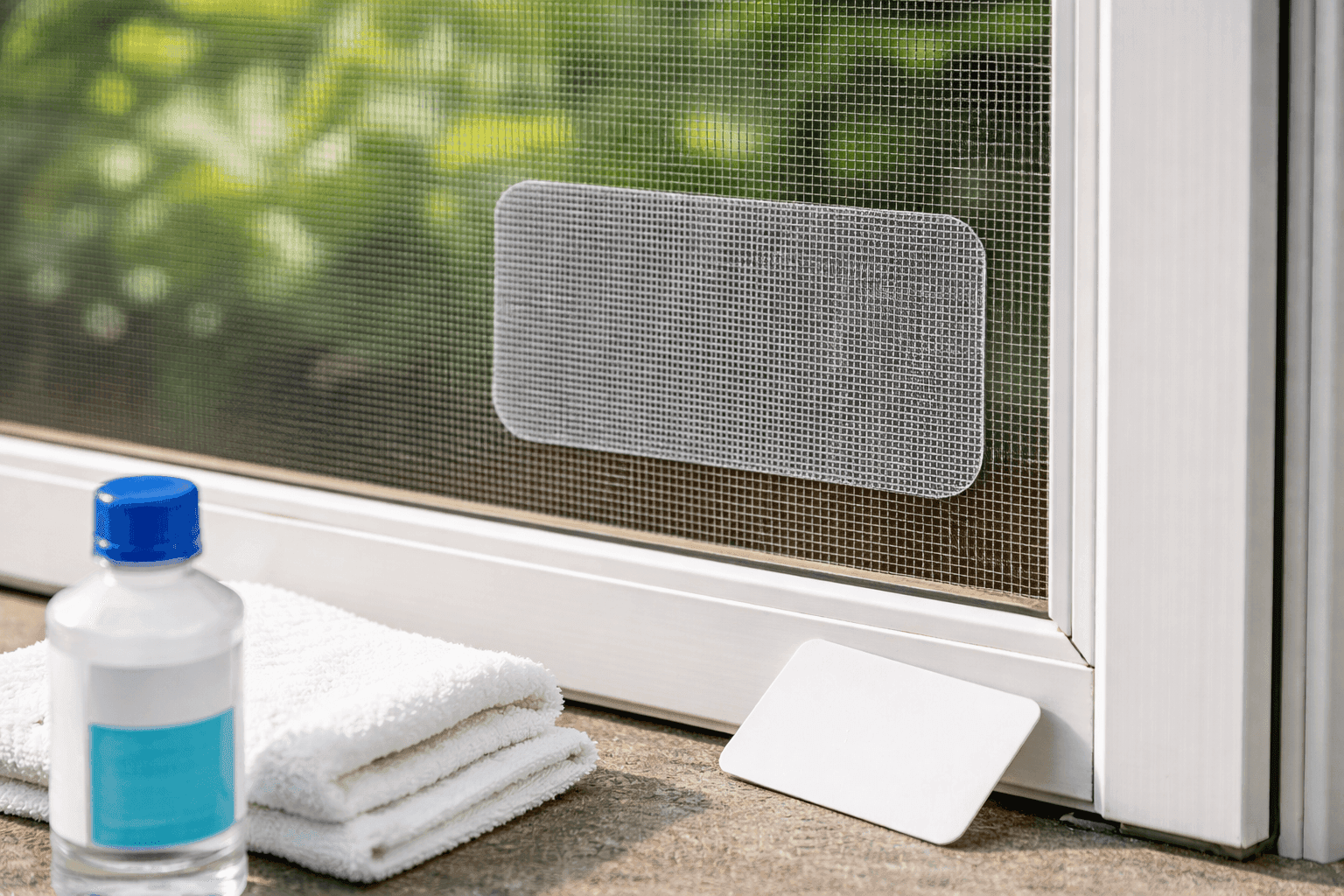
A torn window or door screen is one of those home repairs that sits in the category of things everyone means to deal with eventually — not serious enough to feel urgent, annoying enough to notice every single evening when the bugs find their way in through the gap that's been there since May. The assumption that fixing a torn screen means replacing the entire panel is what keeps most people living with the problem for longer than they should, and it's completely wrong. A $6 adhesive screen patch kit from any hardware store contains pre-cut mesh patches with peel-and-stick backing that repair most common screen tears in about ten minutes with no tools required. Peel the backing, press the patch over the tear, smooth out any bubbles, and the repair is done. It's genuinely the entire process. Fix every torn screen in your house in a single afternoon for under $15 total, and reclaim the porch, the breeze, and the bug-free evenings that a torn screen has been quietly stealing from you all season.
What You'll Need
- Patch Options — Choose Based on Tear Size
- Adhesive screen patch kits — the fastest and most user-friendly repair option for tears up to about 3 inches across. Pre-cut patches with peel-and-stick adhesive backing that bonds directly to the existing screen mesh — ~$4–$6 per kit containing multiple patches at any hardware store, home improvement store, or online. Most kits contain three to six patches in a standard size that covers the majority of common screen tears
- Self-adhesive fiberglass screen patch tape — sold by the roll for slightly larger repairs, cuts to any length needed, and produces a cleaner, less visible repair on tears that run diagonally or irregularly across the screen surface — ~$5–$8 per roll
- Loose screen mesh and patch adhesive for tears larger than 4–5 inches — cut a piece of matching screen mesh 2 inches larger than the tear on all sides, apply screen repair adhesive around the tear perimeter, and press the patch firmly in place. This method produces the most invisible repair on large tears but requires separate mesh and adhesive rather than an all-in-one kit — ~$8–$12 for mesh and adhesive separately
- Full screen replacement for tears larger than 6–8 inches or for screens with multiple tears — at this damage level, patching is less practical than replacing the full screen panel, which typically costs $15–$25 in replacement mesh and spline and requires a spline roller tool to reseat the mesh in the frame channel
- Matching the Mesh
- Standard fiberglass mesh — the most common residential screen material, identified by its gray color and slight flexibility. Most adhesive patch kits use fiberglass mesh and blend reasonably well with standard screens
- Aluminum mesh — identified by its silver color and stiff, metallic feel. Aluminum mesh screens require aluminum mesh patches for a color-matched repair — fiberglass patches on aluminum mesh are visible and read as obviously patched from a few feet away
- Pet-resistant or solar screening — heavier, darker mesh that requires specific matching patches. Standard adhesive patches won't bond reliably to the heavier coated mesh surface of pet screen or solar screen — look for patches specifically labeled for heavy-duty or pet screen application
- Bring a photo of the torn screen to the hardware store if unsure of the mesh type — matching the patch material to the existing screen is the single most important factor in producing a repair that's not immediately obvious from a normal viewing distance
- Tools
- Sharp scissors for trimming adhesive patches to size — a clean-cut patch edge is significantly less visible than a torn or ragged edge, and the difference between a patch that looks like a repair and one that's nearly invisible often comes down entirely to how cleanly the patch perimeter was cut
- A flat plastic card, a credit card, or a squeegee for smoothing the patch from the center outward to eliminate any air bubbles — pressing with fingers alone leaves small bubble pockets that reduce adhesion along the patch edges and become visible from an angle
- Rubbing alcohol and a clean cloth for cleaning the screen surface around the tear before applying the patch — removing any dust, fingerprints, or insect residue from the mesh around the tear dramatically improves adhesion on the first application rather than requiring a replacement patch because the first one peeled
- For Larger Repairs
- Spline roller tool for full screen panel replacement — rolls the new mesh and retaining spline into the frame channel cleanly and evenly — ~$5–$8 at a hardware store
- Screen frame clamps or spring clamps for holding the replacement mesh taut during spline installation on full panel replacements — uneven tension during installation produces wrinkles and sags in the finished screen that adhesive patches can't correct
How to Fix It
- Assess every screen in the house before buying anything — walk through every door and window with a screen and examine each one in good light for tears, holes, pushed-out areas, and sections where the mesh has pulled away from the frame spline. Count and measure every repair needed before going to the hardware store so you buy the right quantity of the right type of patch in a single trip. A $6 kit that covers three to six tears is more economical than buying individual patches for each screen separately.
- Clean the screen surface around the tear with a rubbing alcohol-dampened cloth, wiping a 3-inch radius around the tear perimeter and letting it dry completely before touching the patch. Oil from handling, sunscreen residue, insect material, and airborne dust all accumulate on screen mesh and create an adhesion barrier that causes patches to lift at the edges within the first week of outdoor exposure. Clean mesh is the foundation of a lasting repair — this step takes 60 seconds and doubles the patch lifespan compared to applying directly to an uncleaned surface.
- Measure and cut the patch to size — the patch should extend at least ¾ inch beyond the tear perimeter on all sides, which gives the adhesive enough contact area with intact mesh to create a lasting bond rather than a short-term surface attachment. For a tear that's 1 inch across, the patch should be at least 2½ inches across to provide the necessary overlap. Cut the patch with sharp scissors in a smooth, clean line — rounded corners rather than square ones prevent the corner points from catching and lifting with door traffic and use.
- Straighten any loose or bent mesh threads around the tear before applying the patch — use a toothpick or the tip of a fingernail to gently push displaced mesh threads back toward their original position so the tear area is as flat as possible before the patch covers it. A patch applied over curled, bent, or displaced threads creates a raised, visible bump in the repair that's obvious from any angle; a patch applied over a flattened tear area lies flat against the surrounding mesh and is significantly less visible from normal viewing distances.
- Peel the backing from the patch starting at one corner and holding the patch by the edges to avoid fingerprints on the adhesive side — adhesive contaminated by skin oils bonds less effectively to the mesh surface and may lift prematurely at the contaminated areas. Position the patch over the tear before making contact with the screen, confirming it's centered over the damage with equal overlap on all sides, then press the center of the patch firmly against the screen first and work outward toward the edges so no air is trapped under the patch center.
- Smooth firmly from center to edges using a flat card or credit card held at a slight angle, pressing the patch mesh into the existing screen mesh with firm, overlapping strokes from the center outward. The goal is pressing the adhesive patch mesh into contact with every mesh intersection in the surrounding screen rather than just the surface of the mesh threads — full contact at the mesh intersections is what creates the mechanical interlocking bond that holds the patch securely through repeated door movement and weather exposure.
- Apply the patch from both sides if possible — for screen doors where both sides are accessible, applying a second identical patch to the interior face of the screen directly over the first patch sandwiches the torn area between two adhesive layers and produces a repair that's significantly more durable than a single-sided patch. Double-sided patching is particularly valuable for high-traffic screen doors where the repair will experience regular contact pressure from people passing through.
- Allow one hour of undisturbed cure time before the repaired screen returns to normal use — the adhesive bond develops its full strength over the first hour after application, and a door that's opened and closed repeatedly during this window experiences stress on the patch edges before the bond has fully set. After the initial cure hour, the repair should withstand normal door use indefinitely. Check the patch edges after the first week by running a fingertip along each edge — any lifting edge should be pressed down immediately and will re-bond if caught early; a lifted edge left unattended catches on hands and clothing and gradually peels the full patch away from the screen surface.
Window and door specialists who maintain and repair residential screens professionally make one observation about screen longevity that most homeowners never consider until a repair is already needed: the vast majority of screen tears are caused by pet claws and human hands pushing against the mesh from the inside rather than by external damage, and a single preventative measure eliminates most of these tears before they happen. Applying a strip of screen frame guard tape — a thin adhesive-backed rigid strip available at hardware stores for ~$4–$6 — along the bottom 12 inches of screen door height creates a solid surface in the area where pets push through and small children press their hands, leaving only the upper section as exposed mesh. This bottom guard converts the most vulnerable section of any screen door from a surface that tears under the first firm push to a rigid, unclearable barrier, and virtually eliminates the pet-claw and child-hand tears that represent about 70 percent of all residential screen damage. Installing the guard on a freshly repaired screen door takes about five minutes and indefinitely delays the next tear repair — making it simultaneously the most practical prevention and the best thank-you note you can write to your past self for doing this repair today rather than waiting another season.