Pantry Clarity: Transform Chaos Into Organized Efficiency
Transfer dry goods to clear containers and create a system where you actually know what you have
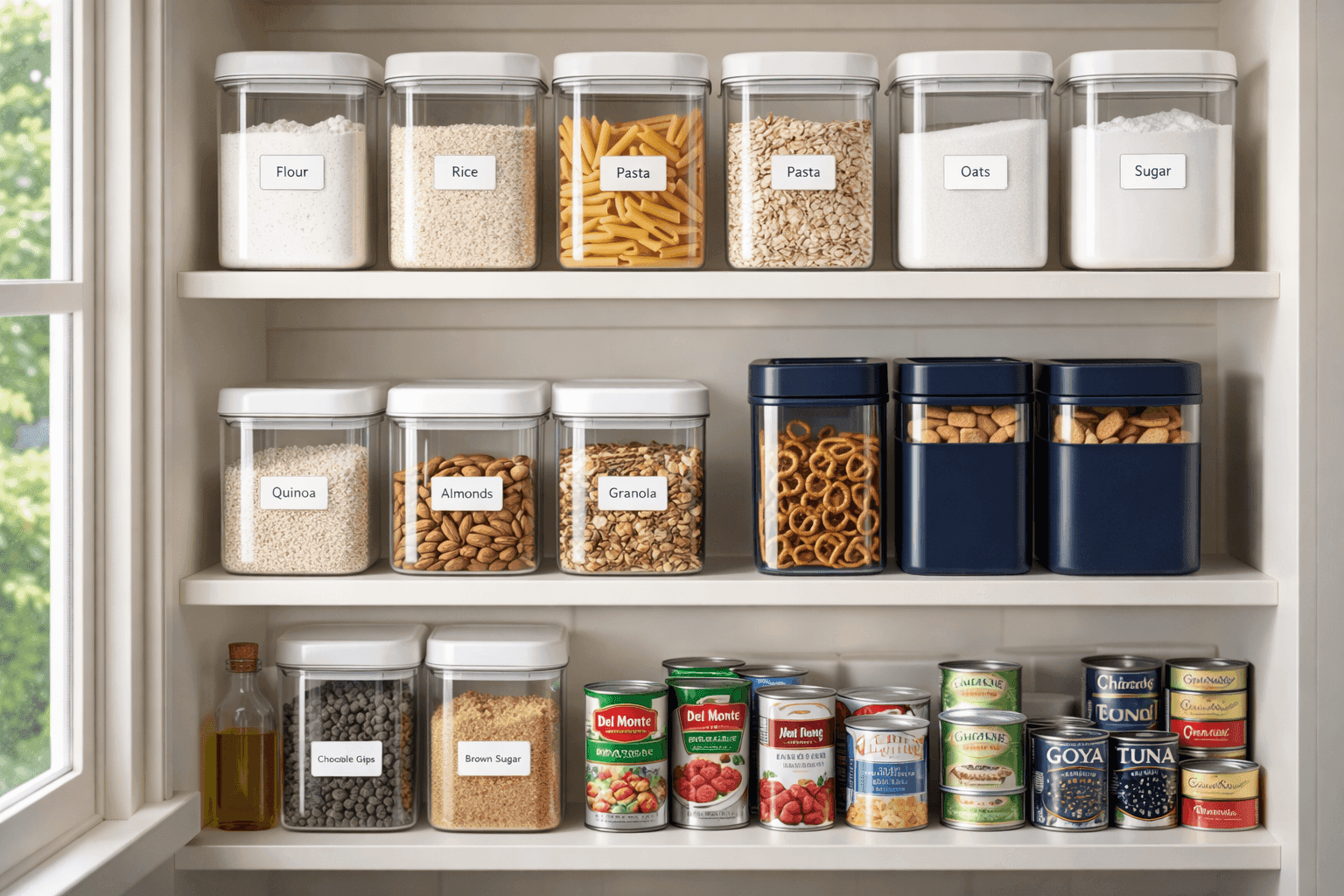
Your pantry is probably a graveyard of half-used bags of flour, mystery grains you can't identify, and expired pasta you bought on sale three years ago—a chaotic collection where you can never find what you need and constantly buy duplicates because you don't know what you already have. This disorganization wastes money when you purchase items you already own buried in the back, wastes food when things expire before you use them, and wastes time every single day you're cooking and can't quickly locate ingredients. Reorganizing your pantry with clear storage containers takes about two hours initially and costs $30-60 for containers depending on pantry size, but it transforms meal prep from frustrating searches into efficient cooking where you see everything at a glance. This isn't about creating Pinterest-perfect aesthetics for social media; it's about building a functional system that reduces food waste, saves grocery money, and makes cooking genuinely easier instead of an exercise in pantry archaeology every time you need rice.
What You'll Need
- Clear Containers: Airtight storage in various sizes for different dry goods ($30-60 for set)
- Labels: Label maker or printable labels for clear identification
- Cleaning Supplies: All-purpose cleaner and cloth for wiping shelves
- Trash Bags: For disposing of expired items and packaging
- Measuring Tools: Tape measure for checking shelf dimensions before buying containers
- Shelf Liners: Optional non-slip liners for protecting shelves ($5-10)
- Time Investment: 2-3 hours for complete pantry overhaul and organization
Step-by-Step Method
- Empty your entire pantry onto the counter so you can actually see the full extent of what you've accumulated and assess what stays
- Check expiration dates ruthlessly and toss anything expired, stale, or that you realistically won't use even if technically still good
- Clean pantry shelves thoroughly, removing crumbs, spills, and sticky residue that accumulates when bags leak or containers tip
- Group similar items together—all baking supplies in one area, grains together, pasta together, snacks in their own zone
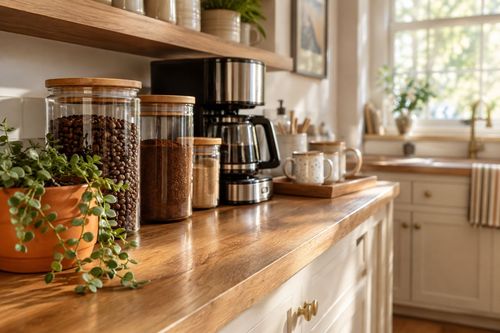
- Transfer dry goods from original packaging into clear airtight containers, which keeps food fresher and lets you see quantities instantly
- Label every container clearly with contents and ideally expiration dates so there's no mystery about what you're looking at
- Arrange items with most frequently used products at eye level, less common ingredients on higher or lower shelves
- Maintain the system by returning items to their designated spots and updating labels when you refill containers with new purchases
Professional organizers recommend buying containers in sets of consistent sizes rather than mixing brands and shapes, because uniform containers stack efficiently and maximize shelf space in ways random assortments never achieve. Also, choose square or rectangular containers over round ones—they pack together without wasting space between circular edges. For optimal functionality, buy containers slightly larger than you think you need; a 4-quart container for flour is better than a 3-quart that requires constant refilling. Label containers on both the front and top so you can identify contents whether viewing shelves straight-on or from above when reaching for items. Consider creating a simple inventory list posted inside your pantry door showing what you have and when items need restocking—this prevents those "I thought we had pasta" moments during meal planning. The key to maintaining an organized pantry isn't discipline; it's making the system so visually clear and logically arranged that returning items to their proper spots requires less effort than just shoving things randomly back on shelves. When you can see everything you own through clear containers and everything has an obvious designated home, the system naturally maintains itself.