Natural Simmer Pots That Fill Your Home With Holiday Magic
Create intoxicating whole-house fragrance using citrus, cinnamon, and spices simmering gently on your stovetop
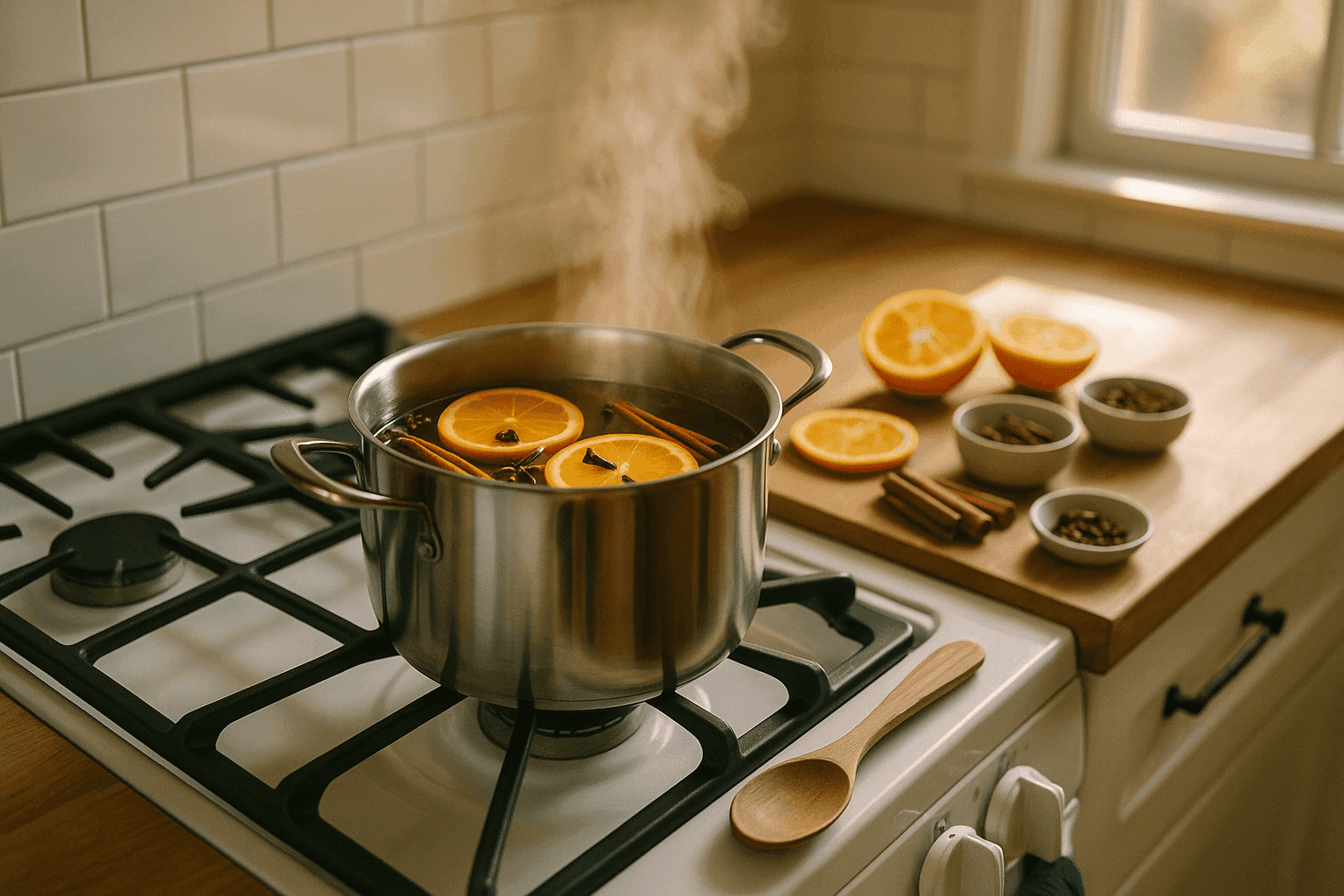
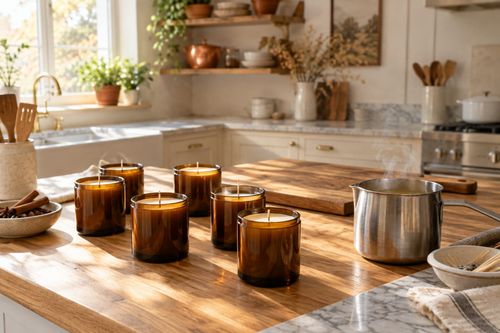
The first time guests walked into my home with a simmer pot bubbling on the stove and asked what candle I was burning because it smelled absolutely incredible, I loved revealing that the intoxicating fragrance came from simple orange slices, cinnamon sticks, and whole cloves simmering in water. Stovetop simmer pots are the secret weapon of holiday hosting—they fill your entire home with authentic, natural fragrance that's infinitely more complex and welcoming than any synthetic candle while requiring only pantry ingredients and a watchful eye. I start a pot simmering an hour before guests arrive for holiday gatherings, and the warm, spiced citrus aroma that greets people as they enter creates instant cozy ambiance that sets the tone for the entire evening. The beauty of simmer pots versus candles or plug-in air fresheners is that the scent feels genuine and unobtrusive rather than artificially overwhelming, and you can customize combinations to match different occasions or personal preferences. This aromatic technique costs just $3-5 per pot using ingredients you likely already have for holiday baking, and a single batch can perfume your home for 4-6 hours with occasional water additions, making it the most economical home fragrance solution available. Beyond hosting, I keep simmer pots going throughout December during everyday living because coming home to that welcoming spiced scent transforms ordinary winter evenings into something special that feels intentionally cozy rather than just cold and dark.
What You'll Need
- Classic Holiday Combination:
- 1-2 oranges, sliced into rounds
- 3-4 cinnamon sticks
- 1 tablespoon whole cloves
- Optional: star anise, fresh cranberries
- Optional: vanilla extract (1 teaspoon)
- Alternative Combinations:
- Winter Citrus: lemon, rosemary, vanilla
- Apple Spice: apples, cinnamon, nutmeg
- Pine Forest: pine needles, cedar, orange
- Cranberry Orange: cranberries, orange, cloves
- Peppermint Vanilla: peppermint, vanilla, cinnamon
- Equipment:
- Medium to large pot with lid
- Water to fill pot 2/3 full
- Stove with low heat setting
- Ladle for adding water as needed
- Timer for monitoring
- Safety Items:
- Kitchen timer or phone alarm
- Never leave unattended
- Keep away from curtains and flammables
- Total Cost: $3-5 per pot
Simmering Steps
- Slice citrus fruits into 1/4-inch rounds rather than peeling or juicing them, because the peel contains essential oils that release maximum fragrance when heated. Leave slices whole rather than chopping to create attractive presentation if your stovetop is visible to guests.
- Fill pot two-thirds full with water, leaving room for ingredients and preventing rapid evaporation that requires constant monitoring. Too little water means more frequent additions and risk of burning ingredients if you forget to check, while too much dilutes the fragrance concentration.
- Add all ingredients to cold water so they release oils gradually as temperature rises, which creates more sustained fragrance than adding to already-hot water. Use whole spices rather than ground versions—whole cloves, cinnamon sticks, and star anise release fragrance slowly over hours instead of dissipating quickly.
- Bring to gentle boil over medium heat until you see steam and small bubbles forming, then immediately reduce to lowest possible simmer setting. Vigorous boiling evaporates water too quickly and can make fragrances smell sharp or burnt rather than warm and inviting.
- Maintain low simmer where you see occasional gentle bubbles and steady steam rising but not aggressive boiling action. This ideal temperature releases aromatic compounds gradually for maximum scent longevity and prevents rapid water loss that requires constant attention.
- Check water level every 30-45 minutes by glancing at the pot and adding more water when level drops below halfway mark. Never let the pot go dry, which creates fire hazards and fills your home with acrid burnt smell rather than pleasant fragrance—set phone alarms if needed.
- Stir occasionally to redistribute ingredients and release fresh bursts of fragrance, especially if you notice scent diminishing. Sometimes citrus slices settle to bottom and need gentle agitation to expose different surfaces to heat and water.
- Refresh as needed by adding new ingredients after 4-6 hours when original mixture loses potency—old citrus turns brown and spices become waterlogged and exhausted. You can often reuse the same water by straining out spent ingredients and adding fresh ones for continued fragrance.
- Cover when leaving by turning off heat and putting the lid on your pot if you need to step away, which preserves ingredients and prevents accidents. Simmer pots require human presence—never leave them unattended while simmering, and always turn off before going to bed or leaving home.
- Dispose mindfully when finished by letting cool completely, then straining solids into compost rather than down your drain where citrus oils can damage pipes. The cooled aromatic water can be poured down drains safely once solids are removed, or even used to water houseplants for bonus fragrance.
Aromatherapy experts and professional home stagers have advanced knowledge about scent combinations that create specific moods and memories perfect for different occasions. For elegant dinner parties, use the sophisticated combination of grapefruit, rosemary, and vanilla which smells expensive and unexpected rather than obviously holiday-themed. Real estate professionals staging homes for showings swear by the u