Natural Organization: Craft Rustic Wooden Coat Hooks
Transform fallen branches and reclaimed wood into unique entryway organization with natural charm

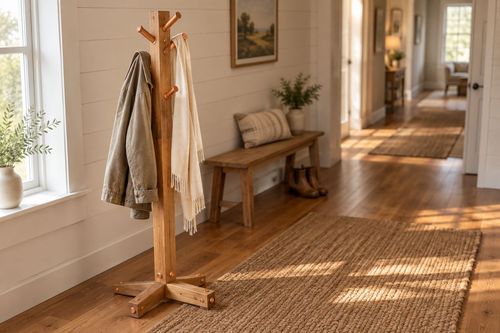
I started making wooden coat hooks after a storm brought down several beautiful branches in my yard, and I couldn't bear to just throw away those gorgeous natural shapes! What began as a way to avoid waste became one of my most treasured DIY projects because these rustic hooks add such incredible character and warmth to my entryway. There's something deeply satisfying about taking materials that nature provides and transforming them into functional art that serves my family every single day. Each branch hook has its own unique personality – some curved gracefully, others with interesting bark textures or natural splits that make them perfect for holding everything from coats to dog leashes. The best part is knowing that this beautiful, functional piece cost almost nothing to make but brings so much more character to my home than any store-bought hook rack ever could. Guests always comment on these hooks and are amazed to learn they came from fallen branches!
Natural Materials
- Branch Pieces: Fallen branches with interesting curves, 4-8 inches long (free from yard!)
- Base Board: Reclaimed wood plank, barn wood, or rough-sawn lumber ($10-25)
- Hardware: Wood screws, washers, wall anchors for secure mounting ($8-15)
- Finishing Supplies: Sandpaper, wood stain or natural oil finish ($10-20)
- Tools: Drill with bits, saw for cutting, measuring tape ($rental if needed)
- Safety Equipment: Safety glasses, dust mask, work gloves ($10-15)
- Total Investment: $40-80 for materials to create unique entryway organizer
Crafting Process
- Select branches with natural curves that create good hook shapes when mounted
- Clean branches thoroughly, removing loose bark and checking for insect damage
- Cut branches to desired lengths and sand cut ends smooth
- Prepare base board by sanding and applying desired finish or stain
- Plan hook spacing and mark drilling locations for balanced, functional arrangement
- Drill pilot holes and attach branches securely with screws from behind
- Apply protective finish to preserve wood and enhance natural grain
- Mount finished hook rack securely to wall studs for safe, long-term use
Professional woodworkers know that the secret to stunning natural hook racks is selecting branches that complement each other while maintaining functionality. Here's my branch selection strategy: look for pieces with natural upward curves that will hold weight effectively, and choose branches from the same tree species for visual cohesion. My favorite finishing technique is using a clear, matte polyurethane that preserves the natural wood color while protecting against wear. Pro tip: position hooks at varying heights to accommodate different family members and types of hanging items – jackets, scarves, bags all need different clearances. Also, consider the "rule of odds" – use 3 or 5 hooks for the most pleasing visual arrangement. For a truly custom look, let each branch's natural shape determine its optimal position rather than forcing them into rigid, evenly-spaced patterns!