Mindful Spaces: Creating Your Perfect Meditation Corner
Transform any small area into a serene retreat for daily mindfulness practice
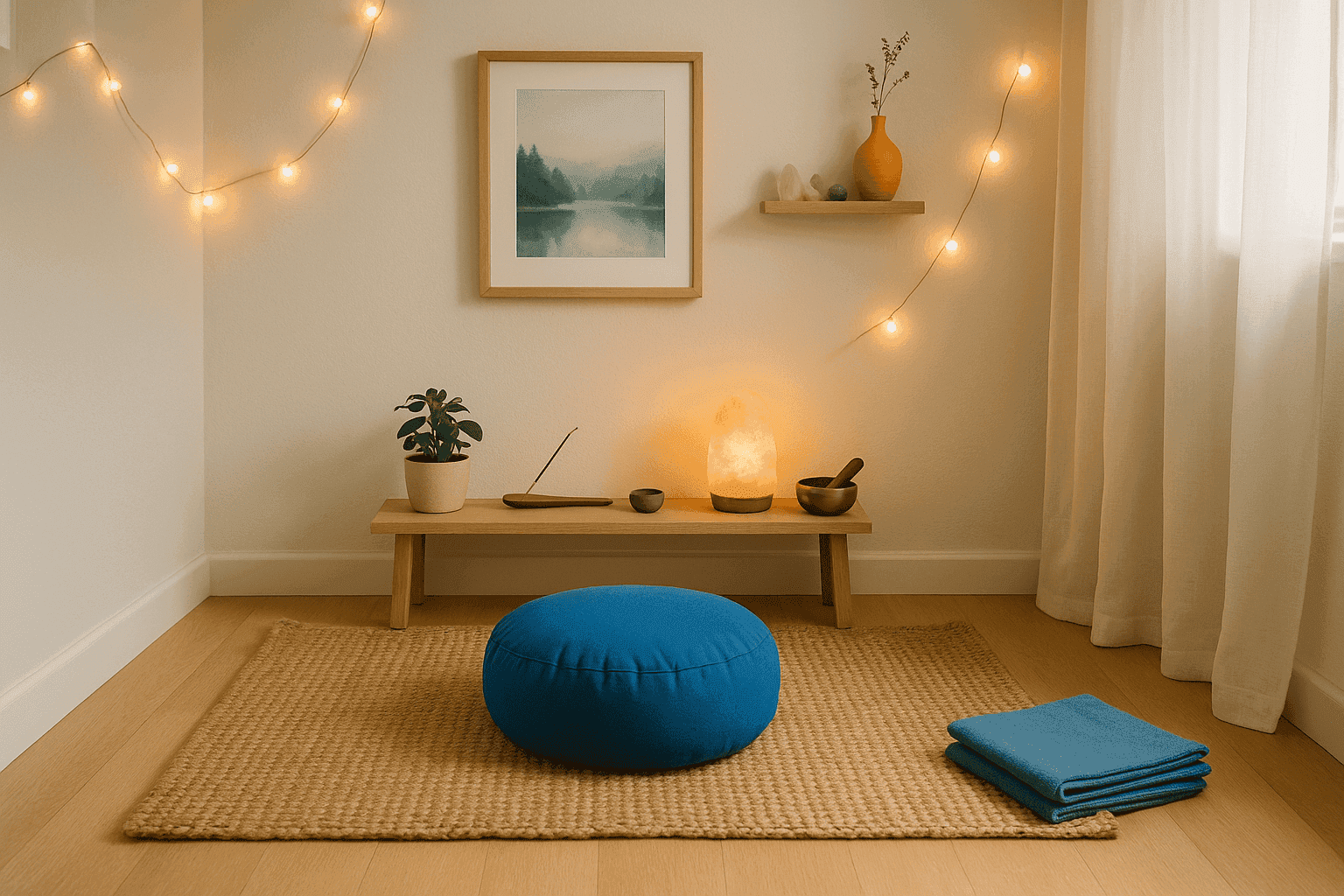
In today's fast-paced world, having a dedicated space for mindfulness and meditation isn't just a luxury—it's essential for mental wellbeing. Even the smallest corner of your home can be transformed into a peaceful sanctuary that invites daily practice and moments of tranquility. By thoughtfully curating elements that engage all your senses, you can create a meditation space that helps quiet the mind, reduce stress, and foster a deeper connection to yourself.
Essential Elements
| • Comfortable Seating: Meditation cushions, floor pillows, yoga mat |
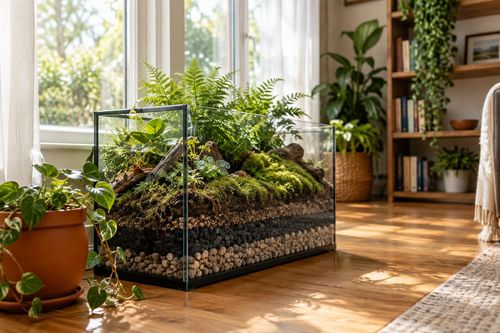
| • Natural Elements: Plants, stones, wood, water features |
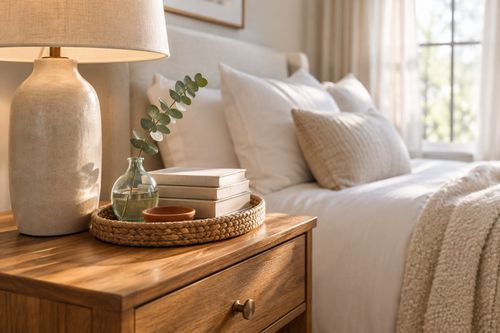
| • Lighting: Dimmable lamps, candles, salt lamps, string lights |
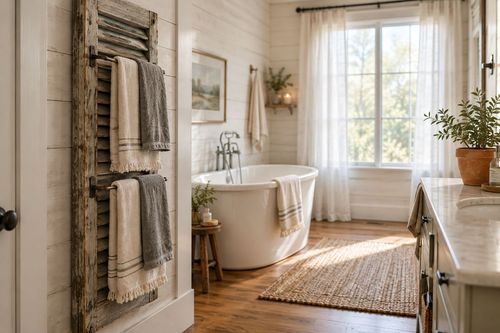
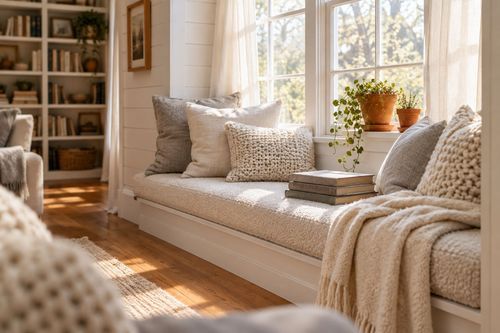
| • Textiles: Soft blankets, cushion covers, area rugs |
| • Sound Elements: Singing bowls, chimes, small fountain |
| • Visual Focus: Meaningful artwork, mandalas, nature images |
| • Aromatherapy: Essential oil diffuser, incense, natural scents |
| • Personal Touches: Meaningful objects, inspirational quotes |
Creating Your Sanctuary
- Choose the right location. Find a quiet corner away from household traffic and noise. Consider natural light sources, but ensure you can control brightness. Even a 4x4 foot area can work effectively.
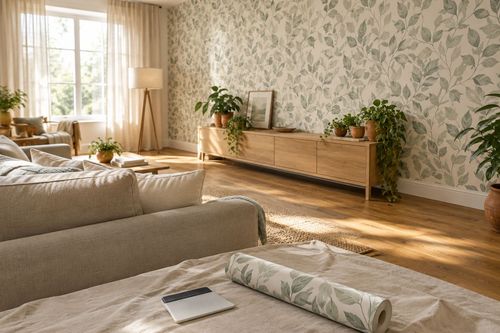
- Define your space. Create visual boundaries using a room divider, curtain, area rug, or even a change in wall color. This delineation helps your mind associate the space with mindfulness.
- Select appropriate seating. Choose meditation cushions, bolsters, or a comfortable chair that supports proper posture. Position seating to face a blank wall or pleasing view, rather than distractions.
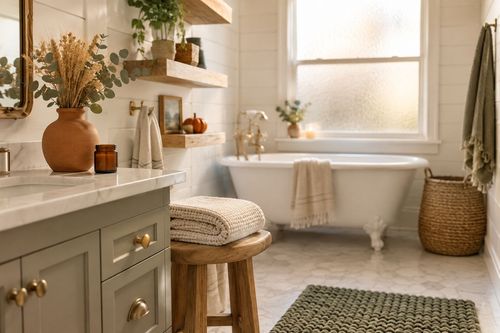
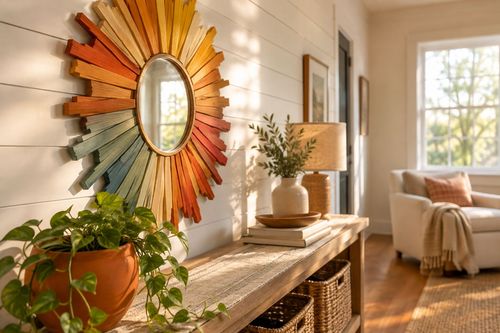
- Layer in natural elements. Incorporate plants for improved air quality and grounding energy. Add natural materials like wood, stone, or bamboo to enhance connection to the earth.
- Create sensory harmony. Consider how your space engages all senses—soft textures for touch, gentle sounds for hearing, pleasing scents for smell, and visually calming elements for sight.
- Optimize lighting. Install dimmable lighting or use candles to create a soft glow. Position lighting to eliminate harsh shadows while providing enough illumination for any reading or journaling.
- Reduce clutter. Keep the space minimal and intentional. Each item should serve a purpose or hold special meaning that supports your practice.
- Add personal significance. Include objects that inspire your practice—perhaps a small altar with meaningful items, inspiration cards, or a journal for reflection.
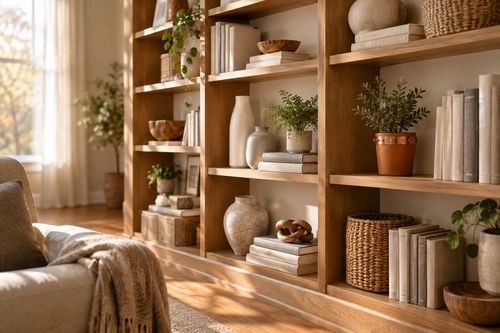
When selecting a color palette for your meditation space, look to nature for inspiration. Soft blues and greens promote tranquility, while earth tones create grounding energy. Avoid bright, stimulating colors that can distract from inward focus. For small spaces, consider vertical elements like hanging plants or wall-mounted shelving to maximize floor space while creating visual interest above. Keep a basket with "meditation essentials" nearby—items like a light blanket, eye pillow, and favorite essential oils—making it easy to enhance your practice without cluttering your sacred space.