Light & Airy: How to Transform Your Space with Breezy Spring Curtains
Brighten your home with lightweight window treatments that welcome sunshine and fresh air
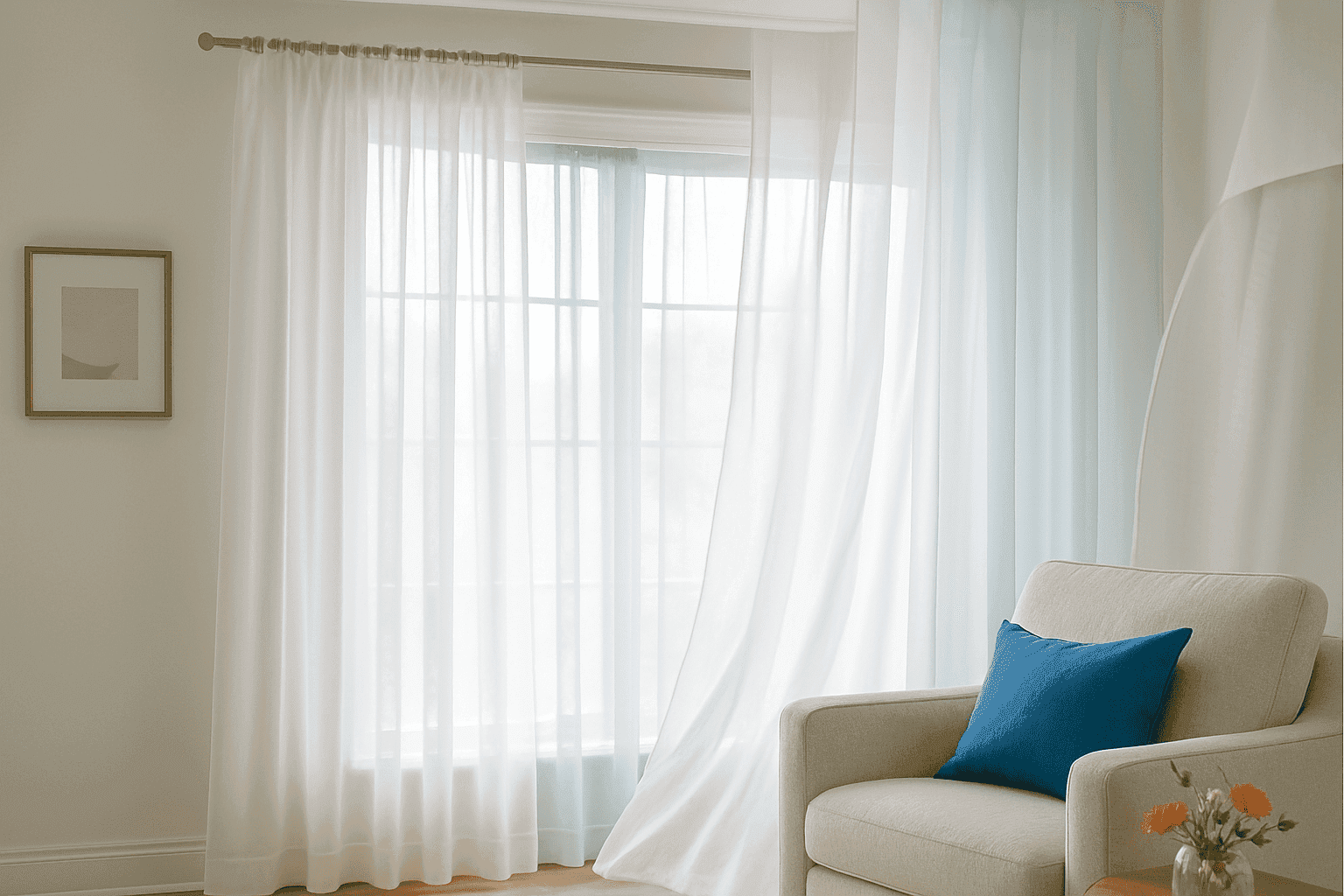
One of the simplest yet most transformative changes you can make to welcome spring into your home is swapping heavy winter drapes for light, airy curtains. These breezy window treatments filter sunlight beautifully, create gentle movement with the slightest breeze, and instantly make rooms feel more spacious and fresh. Whether you're looking to completely replace your window coverings or simply layer sheer panels over existing blinds, this easy update dramatically shifts your home's atmosphere to embrace the lighter, brighter energy of spring.
What You'll Need
| Window Assessment Tools: |
| • Measuring tape |
| • Step stool or ladder |
| • Notebook for measurements |
| Hardware (if replacing): |
| • Curtain rods with finials |
| • Mounting brackets |
| • Screws and wall anchors |
| • Drill and appropriate bits |
| • Level |
| • Screwdriver |
| Curtain Materials: |
| • Sheer or semi-sheer curtain panels |
| • Curtain rings or clips (optional) |
| • Curtain tie-backs (optional) |
| • Iron and ironing board |
| Fabric Options: |
| • Voile (ultra-lightweight and sheer) |
| • Linen blends (natural texture, semi-sheer) |
| • Cotton gauze (casual, slightly textured) |
| • Chiffon (elegant drape, very sheer) |
| • Embroidered sheers (decorative detail) |
How To Do It
- Assess your windows and needs: Consider your light preferences, privacy requirements, and the window's exposure. South and west-facing windows may need slightly less transparent options to prevent harsh afternoon sun, while north-facing windows benefit from the maximum light penetration of ultra-sheer fabrics.
- Choose the right type of curtains:
- Single sheer panels: Maximizes light, minimal privacy
- Double sheer layers: Increased privacy while maintaining light
- Sheer panels with blackout backing: Versatile option for bedrooms
- Ombré or colored sheers: Adds subtle color while filtering light
- Measure correctly for proper fit: For optimal appearance, measure:
- Width: Add 12-24 inches to your window width for fullness (more for sheers)
- Length: Decide between sill length, below sill, or floor length (most dramatic)
- Rod placement: Position 4-6 inches above window and extend 6-12 inches beyond window frame on each side to make windows appear larger
- Install new hardware if needed: If replacing heavy drape hardware with something lighter:
- Mark bracket positions on wall using a pencil and level
- Install wall anchors if not mounting into studs
- Attach brackets with screws
- Place rod through curtain panels before attaching to brackets
- Prepare your curtains: Before hanging, address any packaging wrinkles:
- Check care labels for temperature settings
- Iron or steam curtains on a low heat setting
- For embroidered panels, iron on reverse side
- Hang your curtains: Different hanging styles create various effects:
- Rod pocket: For a gathered, casual look
- Tab top: For a relaxed, contemporary appearance
- Grommet style: For modern, even pleats
- Rings or clips: For easy opening/closing and a tailored look
- Create the right fullness: Sheer curtains need extra fullness to look their best. Aim for:
- 2-3 times window width for sheers (more fullness than standard drapes)
- Use multiple panels per window if needed to achieve desired volume
- Arrange folds evenly when positioning on rod
- Add tie-backs (optional): For a romantic, gathered look that maximizes light during the day:
- Install tie-back hooks about 2/3 down from the top of window
- Alternatively, use decorative fabric ties, ribbon, or tasseled cords
- Create asymmetrical arrangements for a casual, breezy feel
- Layer effectively (optional): If using sheers with existing window treatments:
- Install a double rod with sheers closest to window
- Use sheers beneath roman shades for a soft effect when shades are up
- Add sheer panels between heavier side panels for a luxurious, layered look
- Clean and maintain: Keep your sheers looking fresh:
- Vacuum gently with brush attachment to remove dust
- Launder according to fabric care instructions (typically delicate cycle)
- Remove promptly from dryer or line-dry to prevent wrinkles
For a truly designer-worthy window treatment, consider the "high and wide" approach professional decorators use. Mount curtain rods significantly higher than the window frame (4-8 inches, or even up to the ceiling in rooms with standard 8-foot heights) and extend them 8-12 inches beyond each side of the window. This simple technique makes windows appear substantially larger and ceilings higher. When selecting sheer fabrics, remember that natural fibers like linen and cotton gauze create beautiful organic texture but wrinkle more readily, while synthetic blends offer easier maintenance. For rooms where you still need privacy while maintaining light, layer multiple sheer panels in slightly different tones (perhaps ivory behind pale blue) to create depth while increasing opacity, or select a "semi-sheer" with a subtle pattern that obscures the view in without blocking light. This approach provides daytime privacy while still embracing spring's luminous quality.