Less Is More: Mastering the Art of Minimalist Home Design
Create a serene, intentional space where every element serves a purpose
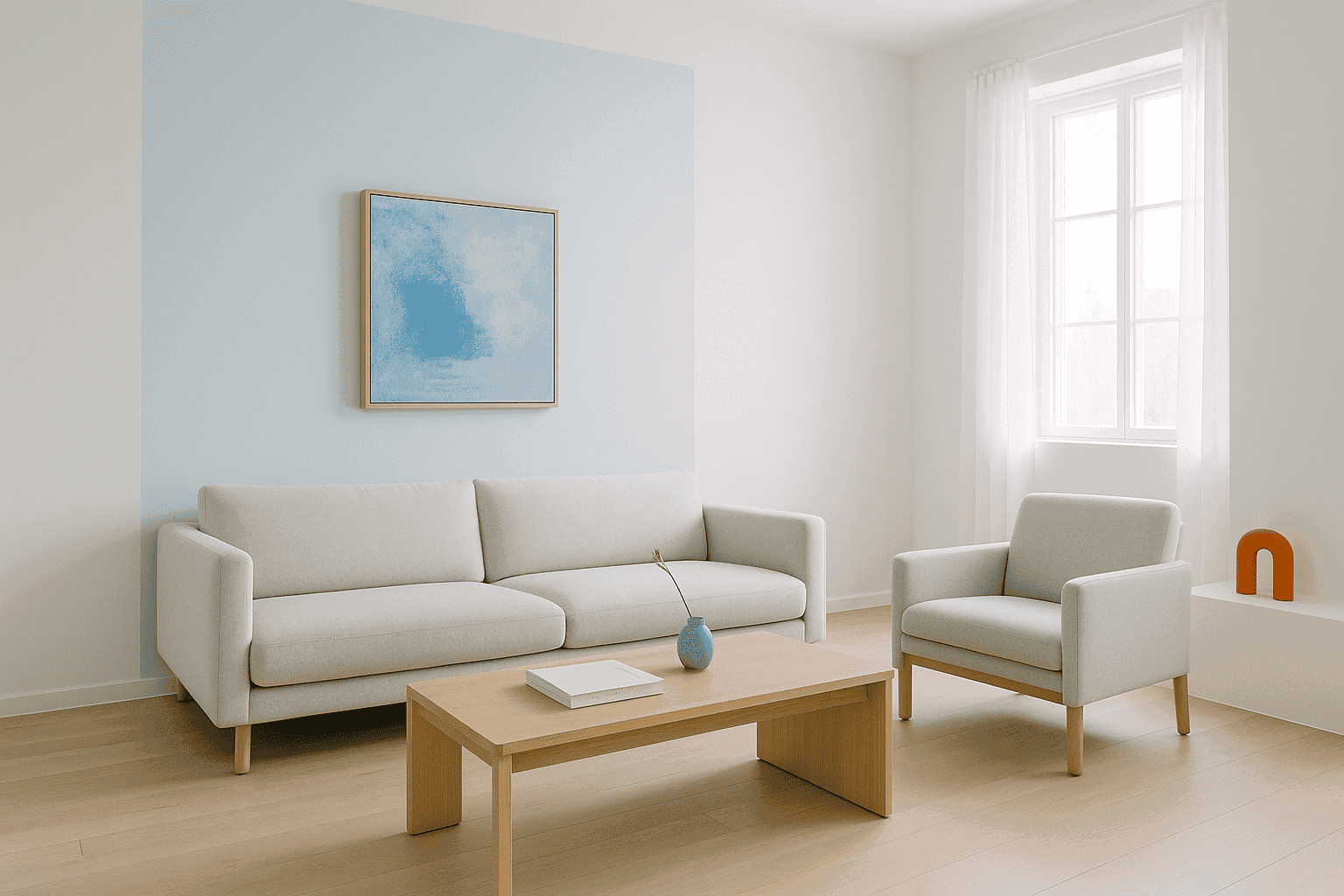
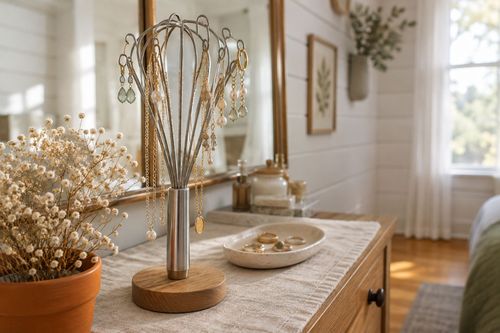
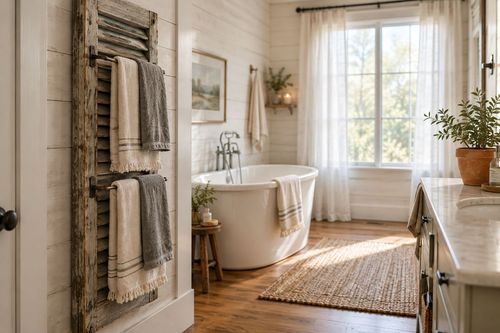
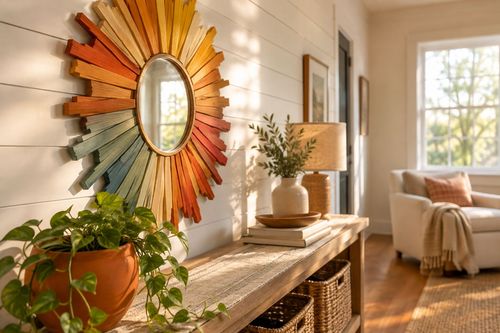
Minimalist design is far more than just a sparse aesthetic—it's a thoughtful approach to living that prioritizes quality over quantity, function over excess, and intentionality over accumulation. At its core, minimalism creates spaces that feel calm, uncluttered, and purposeful. By embracing careful editing and focusing on what truly matters, you can create a home that not only looks sophisticated but also supports a more mindful lifestyle with less visual distraction and maintenance.
Core Principles
| • Purposeful simplicity |
| • Quality over quantity |
| • Functional beauty |
| • Clean lines and forms |
| • Thoughtful negative space |
| • Restrained color palette |
| • Meaningful decorative elements |
| • Hidden or integrated storage |
Implementation Strategy
- Curate ruthlessly: Begin by removing items that don't serve a purpose or bring genuine joy. Be especially critical of purely decorative objects—those you keep should have significant meaning or exceptional beauty.
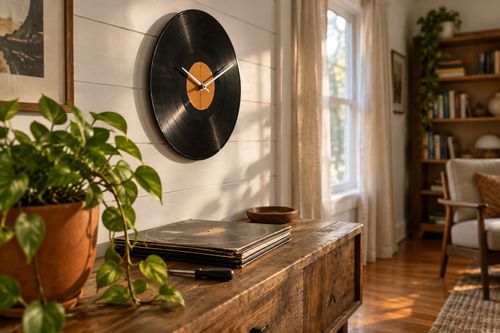
- Embrace negative space: Allow walls, shelves, and surfaces to breathe by resisting the urge to fill every corner. Empty space creates visual calm and highlights the pieces you choose to keep.
- Choose a controlled color palette: Limit your scheme to 2-3 primary neutral tones (white, beige, gray) with perhaps 1-2 subtle accent colors. This creates harmony and reduces visual noise.
- Prioritize function and form: Select furniture that serves its purpose beautifully with clean lines and minimal ornamentation. Multi-functional pieces excel in minimalist spaces.
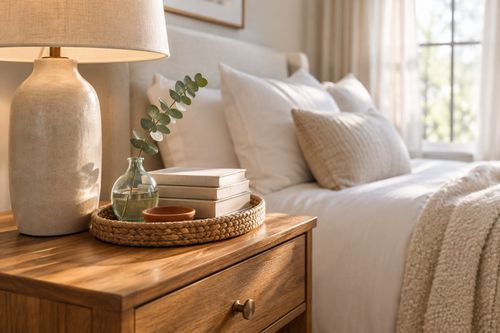
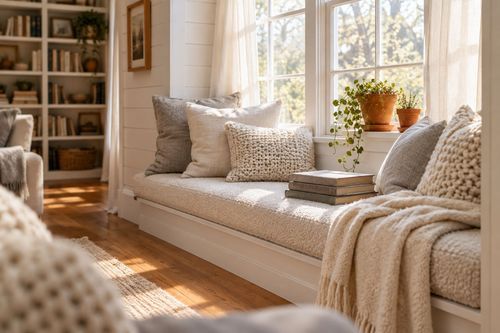
- Focus on texture: Without busy patterns or numerous colors, texture becomes crucial. Mix smooth with rough, matte with glossy, and soft with hard to create interest without clutter.
The most successful minimalist spaces incorporate a system for dealing with daily life's inevitable clutter. Design with "closed storage" solutions that hide necessary but visually distracting items behind clean cabinet fronts. Establish a "one in, one out" rule for new purchases to maintain your edited space. When decorating, follow the "rule of three"—limiting decorative groupings to three objects of varying heights creates visual interest without appearing cluttered. Remember that minimalism should feel intentional rather than empty; each item you choose to include should serve a purpose, whether functional or bringing genuine beauty and meaning to your space.