Kitchen Garden: Grow Fresh Herbs Indoors All Winter Long
Transform a sunny wall into a living herb garden that delivers fresh flavors year-round
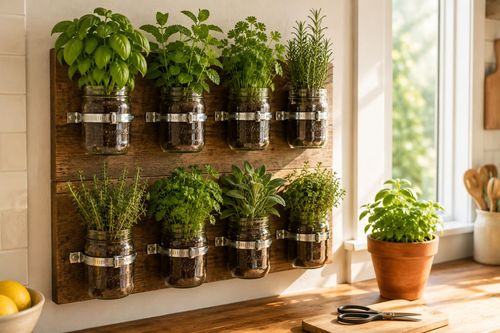
There's something genuinely magical about stepping into your kitchen on a cold January morning and snipping fresh basil for your eggs or grabbing sprigs of rosemary for roasted potatoes while snow falls outside your window. Indoor herb gardens aren't just about having fresh flavors available year-round—though that alone justifies the project—they're about bringing living greenery into your home during the darkest months when you need that visual reminder that growth and life continue even when everything outside looks dormant and gray. Vertical herb gardens solve the biggest challenge of indoor growing by maximizing limited space, allowing you to cultivate 6-10 different herbs in the footprint that a single potted plant would occupy on your counter. I've maintained various versions of indoor herb gardens over the years, and I can tell you that the difference between cooking with grocery store herbs that have been refrigerated for days versus snipping fresh leaves seconds before they hit your pan is genuinely transformative—the flavor intensity, the aromatic oils, the vibrant color all contribute to making winter meals taste like summer abundance. This project takes an afternoon to set up and costs $30-50 depending on your approach, but it delivers fresh herbs worth hundreds of dollars over a single winter season while adding beautiful, functional greenery to your kitchen.
What You'll Need
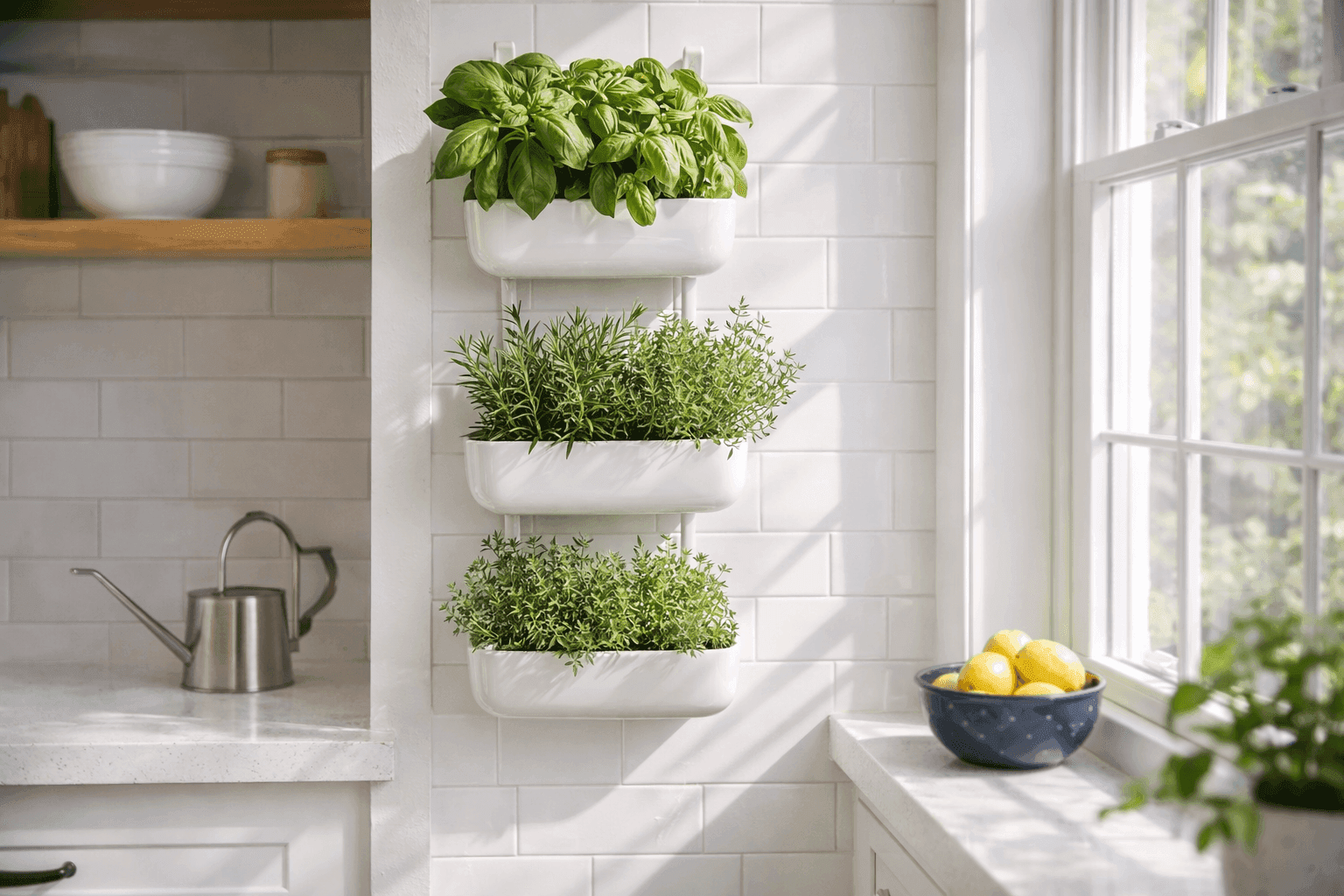
- Wall-Mounted System: Wall planters with drainage (3-5 tiers), hanging gutter planters, or repurposed ladder shelf ($20-40 depending on style and materials)
- Small Pots or Containers: 4-6 inch pots with drainage holes if using ladder or shelf system (terracotta or plastic work equally well for herbs)
- Quality Potting Mix: Indoor potting soil or seed-starting mix—never garden soil which compacts and drains poorly indoors (one bag sufficient for 6-8 pots)
- Herb Plants or Seeds: Basil, parsley, cilantro, thyme, rosemary, oregano, chives, mint—choose your cooking favorites (starter plants $3-5 each, seeds under $2 per packet)
- Mounting Hardware: Wall anchors and screws appropriate for your wall type and planter weight when full of wet soil
- Watering Can: Small can with narrow spout for precise watering without overflow mess
- Drip Trays: Saucers or trays to catch excess water and protect surfaces from moisture damage
- Optional Grow Light: LED grow light if your window doesn't provide 6+ hours of bright light daily ($15-30 for basic strip light)
Step-by-Step Instructions
- Choose your location by finding a south or west-facing window that receives at least 6 hours of bright light daily—herbs are Mediterranean plants that crave sunshine and won't thrive in dim corners no matter how convenient.
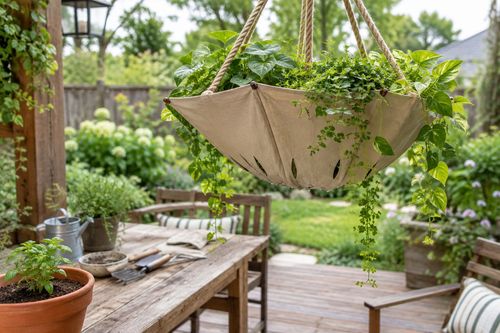
- Select your system based on space and style: wall-mounted planters save counter space and look sculptural, ladder shelves offer flexibility and mobility, or repurpose hanging gutters for a modern industrial look that holds multiple plants.
- Install securely using appropriate wall anchors for your wall type—drywall needs toggle bolts or anchors, while studs allow direct screwing for maximum weight support when planters are full of wet soil.
- Prepare containers by ensuring adequate drainage holes exist in every pot, adding a thin layer of pebbles or broken pottery at the bottom for drainage, then filling with quality indoor potting mix that drains well.
- Plant strategically by putting slower-growing woody herbs like rosemary and thyme on lower levels, fast-growing leafy herbs like basil and cilantro in middle positions where they're easy to harvest, and trailing herbs like oregano at top levels.
- Water thoughtfully by checking soil moisture with your finger before watering—herbs prefer soil that dries slightly between waterings rather than staying constantly damp, which causes root rot and fungus issues.
- Rotate regularly by turning pots 180 degrees every few days so all sides receive equal light exposure, preventing that sad leaning-toward-the-window look that signals uneven growth and weak stems.
- Harvest correctly by pinching stem tips just above leaf nodes to encourage bushier growth rather than pulling individual leaves, which weakens plants—regular harvesting actually makes herbs produce more prolifically.
Here's the insider secret that separates struggling indoor herb gardens from thriving ones: most people underwater their herbs out of fear of overwatering, but the real key is understanding each herb's specific water needs and treating them accordingly. Mediterranean herbs like rosemary, thyme, oregano, and sage prefer drier conditions and should only be watered when soil is dry 1-2 inches down, while leafy herbs like basil, cilantro, and parsley need consistently moist (not soggy) soil to prevent wilting and bitter flavor development. Professional kitchen gardeners solve this by grouping herbs with similar water needs in the same containers or levels—put your Mediterranean woody herbs together in one section where you can water sparingly, and cluster your thirsty leafy herbs separately where they can receive more frequent moisture. This grouping strategy prevents the common mistake of treating all herbs identically, which inevitably means you're either drowning your rosemary or parching your basil. Another game-changing technique: set a phone reminder to fertilize with half-strength liquid fertilizer every 2-3 weeks, because container soil depletes nutrients quickly and herbs need that steady nutrition to keep producing flavorful leaves rather than getting stressed and bitter from nutrient deficiency.