Key Command: Build Entry Organizers That End Morning Panic
Create functional art that stops the daily "where are my keys?" chaos
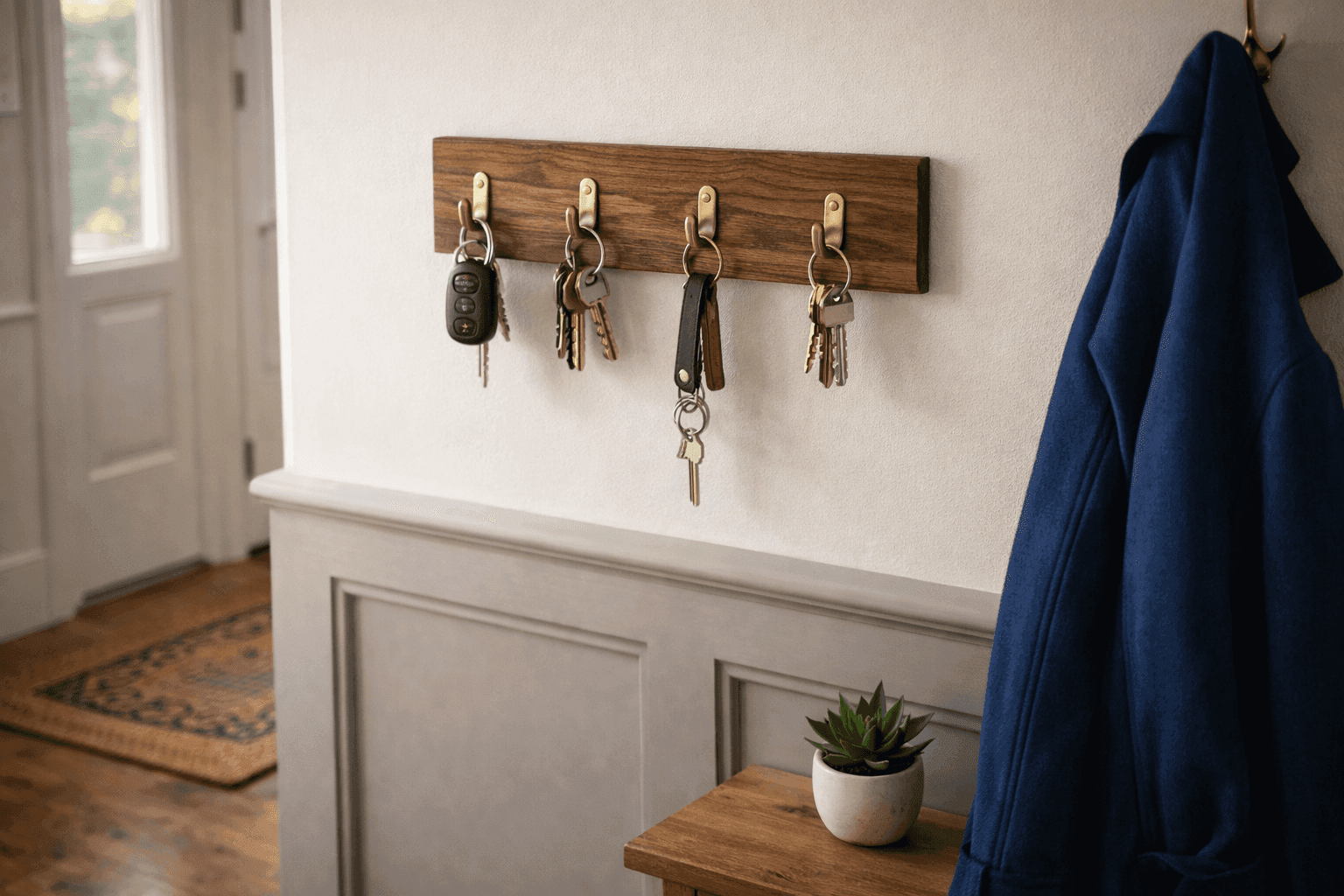
The frantic morning scramble searching couch cushions, coat pockets, and random counters for misplaced keys creates unnecessary stress that sets a negative tone for your entire day before it even begins. While decorative key holders at home stores cost $25-40 for mass-produced designs lacking personality, building your own wooden key holder takes about an hour and costs $8-12 while creating exactly the style you want mounted exactly where you need it. This beginner-friendly woodworking project teaches fundamental skills—measuring, cutting, sanding, drilling pilot holes, installing hardware—that apply to countless other builds while producing something genuinely useful that earns its wall space daily. The beauty of DIY key holders is customization: choose rustic stained wood for farmhouse charm, paint bright colors for modern energy, add live-edge pieces for organic sophistication, or incorporate wood-burned family names for personalized touches that store-bought versions simply cannot offer. Beyond keys, these holders accommodate sunglasses, dog leashes, masks, and small everyday items that need designated homes near your entrance, creating command centers that streamline departures and arrivals. The psychological difference between chaotic key searches and knowing exactly where keys live cannot be overstated—this simple organizer eliminates one daily frustration while adding handmade character to entrances that typically receive utilitarian rather than aesthetic attention.
Materials & Tools
- Wood Foundation ($5-8):
- 1x6 pine or poplar board, 12-16 inches long
- Alternative: live-edge wood for organic style
- Reclaimed wood for rustic character
- Hardwood like oak or walnut for premium look
- Hardware ($3-6):
- 3-5 decorative hooks (coat hooks, vintage-style, or novelty)
- Screws for attaching hooks
- Two keyhole hangers or D-rings for wall mounting
- Small screws for mounting hardware
- Finishing Supplies ($2-4):
- Sandpaper (120, 180, 220-grit)
- Wood stain for rustic charm
- Paint for modern style
- Clear coat or polyurethane for protection
- Tools Needed:
- Saw (hand saw or circular saw)
- Measuring tape and pencil
- Drill with pilot bits
- Screwdriver
- Sandpaper or sanding block
- Optional Upgrades:
- Small shelf board for sunglasses/mail
- Wood-burning tool for personalization
- Decorative brackets for shelf support
Build Your Holder
- Cut your wood piece to 12-16 inches long depending on how many hooks you want and available wall space—longer boards accommodate more hooks but require wider clear wall areas near your entrance.
- Sand all surfaces and edges thoroughly with progressively finer grits (120, 180, 220), rounding edges slightly to eliminate sharp corners that snag clothing or cause splinters when keys are grabbed hastily during rushed mornings.
- Choose your finish based on desired aesthetic: stain brings out natural wood grain for rustic charm, paint in bold colors creates modern statement pieces, or clear coat preserves natural beauty with protective coating.
- Apply your selected finish following product directions, using thin coats that dry completely between applications rather than one heavy coat that drips, bubbles, or takes days to cure properly.
- Mark hook positions evenly across the board, typically spacing them 2-3 inches apart so keys hang without tangling while maximizing the number of sets you can accommodate on available space.
- Pre-drill pilot holes at each marked position using bits slightly smaller than your hook screws—this critical step prevents wood from splitting when screws are driven, which ruins otherwise perfect projects instantly.
- Install hooks by screwing them firmly into pre-drilled holes, ensuring they're tight enough to support key weight without wobbling but not over-tightened to the point where wood cracks around screw threads.
- Attach keyhole hangers or D-rings to the back, positioning them about 2 inches from top edge and spaced to match wall studs if possible for secure mounting that supports the holder's weight plus hanging items without sagging over time.
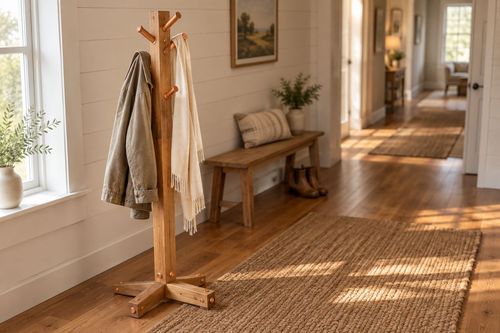
Professional woodworkers elevate simple projects through thoughtful details that transform functional pieces into custom art. Wood-burn family names, meaningful dates, or fun phrases like "Keys & Things" or "Out & About" before applying finish coats, creating personalization that makes these holders feel special rather than generic. Add a narrow shelf above the hooks by attaching a small board with decorative brackets, creating storage for sunglasses, mail, or small plants that turns basic key holders into complete entry organization systems. For cohesive entryway design, build matching pieces—a key holder, coat rack, and small shelf—using the same wood and finish, creating custom furniture sets that cost fraction of retail prices while perfectly fitting your specific space. Consider mounting height carefully: standard recommendations place hooks 48-60 inches from the floor for comfortable adult access, but adjust based on household members' heights and whether you're hanging keys only or also dog leashes that need lower placement. The most successful key holders live within arm's reach of your most-used entrance door, creating muscle memory habits where keys automatically return to their designated home rather than getting tossed on random surfaces that require morning archeological digs.