Install Storm Windows: Winter-Proof Your Home Like a Pro
Transform drafty windows into energy-efficient barriers that slash heating bills
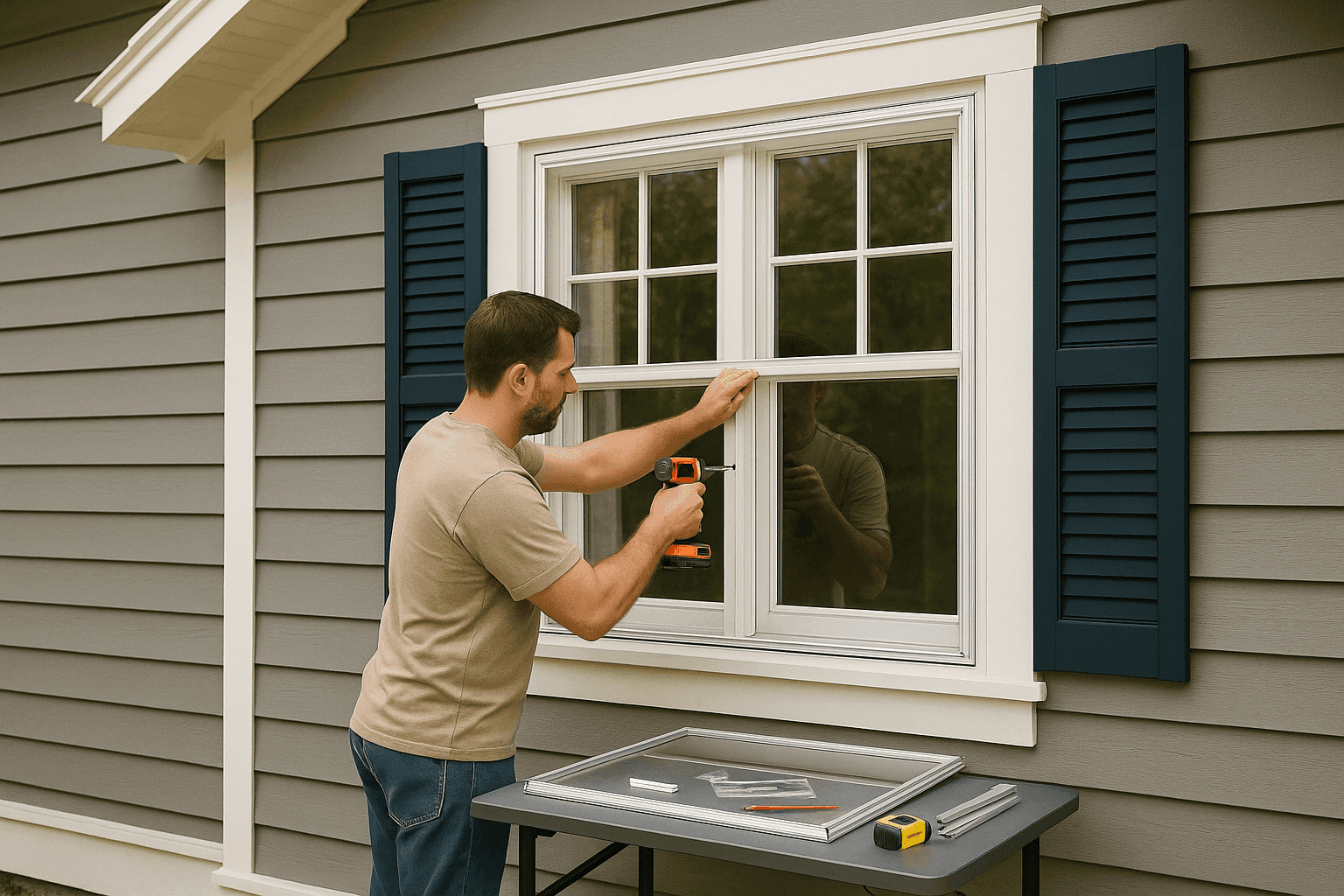
When winter winds start howling, storm windows become your home's first line of defense against energy loss and sky-high heating bills. These protective barriers can reduce heat loss through windows by up to 50%, often paying for themselves within a few seasons through energy savings. Installing storm windows might seem like a job for professionals, but with the right measurements and a methodical approach, it's absolutely achievable for confident DIYers. The satisfaction of feeling immediately warmer rooms and watching your energy bills drop makes this one of the most rewarding home improvement projects you can tackle before winter arrives.
Materials and Tools
- Storm Windows: Custom-measured aluminum or vinyl storm windows (typically $75-150 per window)
- Hardware: Mounting brackets, screws, weatherstripping, caulk tube
- Measuring Tools: Steel tape measure, level, pencil for marking
- Installation Tools: Drill with bits, screwdriver, hacksaw or miter saw for trimming
- Safety Equipment: Safety glasses, work gloves, ladder or step stool
- Finishing Supplies: Exterior-grade caulk, touch-up paint to match trim
Installation Process
- Measure each window opening precisely, noting width, height, and any irregularities in the frame dimensions
- Clean the window frame thoroughly, removing old caulk, paint flakes, and debris that could prevent proper sealing
- Test-fit the storm window in the opening, checking for gaps or binding before drilling any holes
- Mark mounting bracket locations using a level to ensure the storm window will sit perfectly square
- Drill pilot holes for screws, being careful not to hit electrical wires or plumbing behind the trim
- Install mounting brackets securely, checking that each one is level and properly aligned
- Mount the storm window, adjusting the fit and ensuring smooth operation of any moving parts
- Seal gaps with exterior caulk and add weatherstripping where the storm window meets the frame
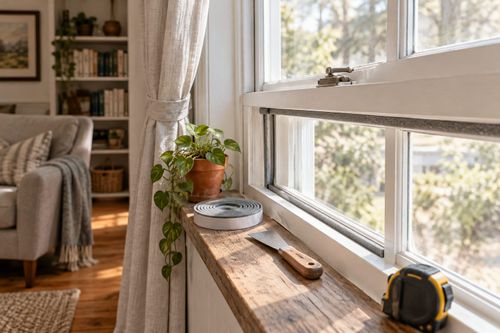
Professional installers always install storm windows from the inside first when possible, especially on upper floors. This technique lets you test the fit and make adjustments safely before climbing ladders with the final unit. For double-hung windows, consider upgrading to storm windows with removable glass panels – they're easier to clean and store during summer months, plus you can replace just the glass if it ever breaks rather than the entire unit.