Indoor Eden: How to Create a Perfect Greenhouse Corner
Transform a sunny nook into a flourishing plant sanctuary with this step-by-step guide
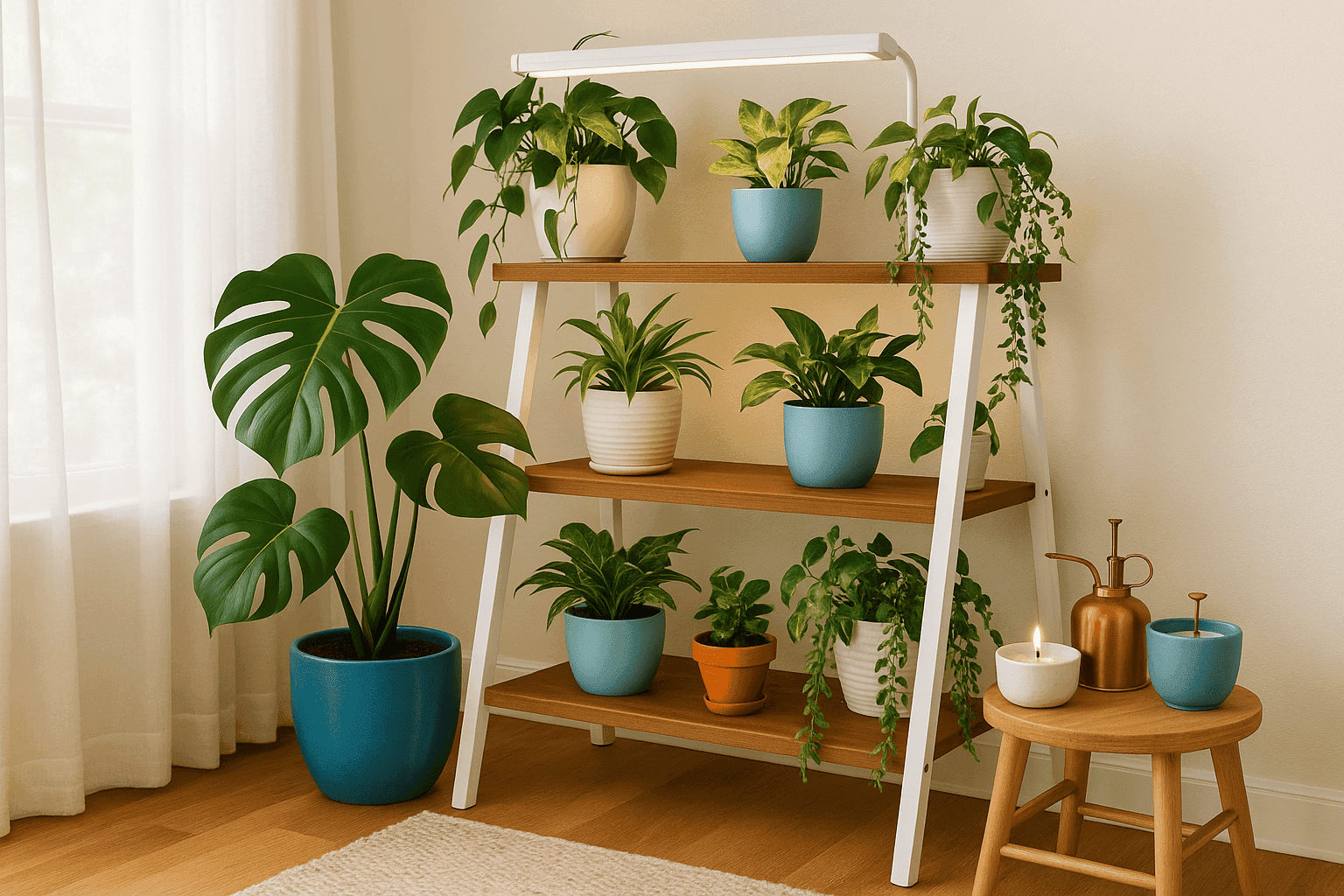
Creating a greenhouse corner in your home carves out a dedicated space for plants to thrive while adding a refreshing focal point to your interior design. This plant-focused vignette brings nature indoors, improves air quality, and creates a peaceful retreat within your living space. With thoughtful planning and the right components, you can transform an underutilized sunny nook into a flourishing indoor garden that satisfies your plant passion and elevates your home's aesthetic.
What You'll Need
| Furniture and Shelving: |
| • Tiered plant stand or shelving unit |
| • Small table or plant bench |
| • Wall-mounted shelves (optional) |
| • Hanging planters and hooks |
| Plants (Choose Based on Light Conditions): |
| • Trailing plants (pothos, ivy, string of pearls) |
| • Upright specimens (fiddle leaf fig, monstera) |
| • Medium-sized plants (peace lily, calathea) |
| • Small plants and propagations |
| Containers and Accessories: |
| • Variety of plant pots in complementary colors/materials |
| • Saucers or drip trays |
| • Watering can |
| • Plant mister or humidifier |
| • Moisture meter |
| • Quality potting soil |
| • Pebble trays for humidity |
| Lighting: |
| • Grow lights (if natural light is limited) |
| • Timer for grow lights |
| Optional Design Elements: |
| • Small area rug to define the space |
| • Decorative rocks or moss for top dressing |
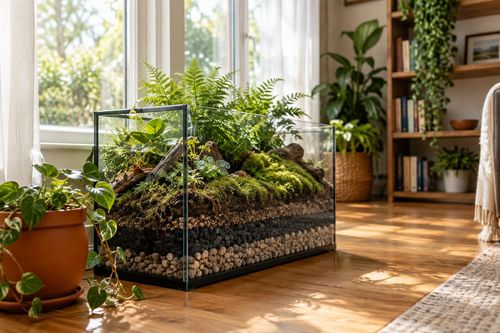
| • Glass cloches or terrariums |
| • Plant-themed artwork |
| • Comfortable chair (for larger corners) |
How To Do It
- Assess your light situation: Identify a corner or nook that receives adequate natural light. South or east-facing windows are ideal for most plants. Use a light meter app on your phone to measure light levels throughout the day, noting how they change seasonally.
- Plan your space: Measure your chosen area to determine what size shelving or furniture will fit. Consider traffic flow and access for plant care. Draw a rough sketch of your vision, including heights and placement of different elements.
- Create a layered foundation: Start with larger pieces like a plant stand, small table, or shelf unit. Position these to maximize light exposure and create varying heights for visual interest. For corners, angled or corner shelving units make efficient use of space.
- Install additional support systems: Add wall-mounted shelves at staggered heights or install ceiling hooks for hanging plants. If natural light is limited, set up grow lights with a timer to provide 12-14 hours of supplemental lighting daily.
- Select plants strategically: Choose plants based on the light conditions of your space:
- For bright, direct light: Succulents, cacti, crotons, fiddle leaf figs
- For bright, indirect light: Monstera, pothos, philodendrons, rubber plants
- For moderate light: Peace lilies, ZZ plants, chinese evergreens
- For lower light: Snake plants, pothos, spider plants
- Arrange plants by care needs: Group plants with similar watering and humidity requirements together for easier maintenance. Place those needing frequent attention at easily accessible heights.
- Create visual interest: Vary plant shapes, sizes, and textures:
- Place taller statement plants in the back or at floor level
- Position trailing plants on higher shelves or in hanging planters
- Add plants with interesting foliage patterns at eye level
- Include small specimens in decorative containers for accent points
- Coordinate containers: Choose pots that complement your decor while providing proper drainage. For a cohesive look, limit your palette to 2-3 complementary materials or colors (terracotta, white ceramic, brass, etc.). Ensure all containers have drainage holes or use nursery pots inside decorative ones.
- Set up a care station: Dedicate a small area with maintenance essentials: watering can, mister, pruning shears, and plant food. Store these items attractively in a basket or on a designated shelf.
- Add humidity solutions: Increase moisture levels for tropical plants by grouping them together, using pebble trays filled with water, or adding a small humidifier. This creates a microclimate that mimics their natural environment.
- Incorporate personal touches: Personalize your greenhouse corner with decorative elements that reflect your style—botanical prints, vintage plant stands, handmade plant markers, or collected specimens like pretty rocks or shells used as top dressing.
- Establish a maintenance routine: Create a care schedule based on the needs of your plants, noting which ones require weekly watering versus those that need attention less frequently. Consider seasonal adjustments for light, watering, and fertilizing needs.
For a truly Instagram-worthy greenhouse corner, focus on creating a cohesive visual story while maintaining plant health. Consider the architectural concept of "thresholds"—defining the plant area with subtle boundaries like a textured rug, a change in wall color, or a decorative screen. This creates the feeling of stepping into a distinct space. For styling, follow the design principle of repetition with variation: choose one element (a color, material, or shape) to repeat throughout your display while varying other aspects. For example, use terracotta pots in different shapes and sizes, or varying plants displayed in the same color pots. Include unexpected natural elements like a beautiful branch, crystals, or an interesting piece of driftwood to add personality and break up the greenery. Finally, consider seasonal rotation—designate a few spots for featuring seasonal bloomers or propagation projects, keeping your greenhouse corner dynamic and evolving throughout the year.